Lifestyle
Why Is Zinc Important? Benefits, Daily Needs & Best Food Sources
Why Is Zinc Important? Benefits & Food Sources
Zinc rarely gets the spotlight that vitamin C or iron enjoys. It doesn’t have a flashy reputation. Yet this small mineral quietly works behind the scenes in almost every cell of your body. From helping you fight off a cold to healing a scraped knee to tasting your morning chai, zinc is involved.
The catch? Your body can’t make zinc or store much of it, so you need a steady supply from food. If your diet is low in zinc-rich foods, or if your body has trouble absorbing it, you might fall short without realizing it.
Let’s walk through why zinc matters, how much you actually need, which foods deliver the most, and how to avoid both too little and too much.
What Is Zinc?
Zinc is an essential trace mineral, meaning your body needs it in small amounts but can’t function well without it. It’s a component of more than 300 enzymes, which are the proteins that drive chemical reactions in your body. It also plays a role in gene expression, cell growth, and communication between cells.
According to the NIH Office of Dietary Supplements, zinc is found in cells throughout the body and is needed for the immune system, wound healing, protein and DNA production, and normal growth and development during pregnancy, childhood, and adolescence.
The Key Benefits of Zinc
1. Supports a Healthy Immune System
Zinc is a cornerstone of immune function. It helps immune cells develop and communicate, and a shortage can make you more vulnerable to infections. Some research suggests that taking zinc lozenges or syrup within about 24 hours of the first cold symptoms may shorten a cold’s duration slightly, though results vary and side effects like nausea or a metallic taste are common. It isn’t a magic cure, but it’s one reason zinc features in so many immune formulas.
2. Helps Wounds Heal
Your skin holds a lot of zinc, and your body uses it to build new tissue, make collagen, and manage inflammation. This is why slow wound healing can be a red flag for low zinc. Doctors sometimes recommend zinc for people with certain chronic wounds or ulcers when a deficiency is present.
3. Keeps Skin Clear and Healthy
Zinc supports oil gland regulation and calms inflammation, so it’s often discussed in connection with acne. Some studies show that oral zinc can modestly help with inflammatory acne, and zinc oxide is a familiar ingredient in sunscreen and diaper cream. It’s not a standalone acne cure, but it may support healthier skin, along with good skincare and, if needed, medical treatment.
4. Supports Taste and Smell
Ever noticed that food tastes bland when you’re unwell? Zinc is needed for the proper function of taste and smell receptors. Severe deficiency can dull both senses, and restoring zinc often helps when low levels are the cause.
5. Aids Growth and Development
Children and teens need plenty of zinc to grow properly. During pregnancy, zinc supports fetal development. In parts of the world where diets are limited, zinc deficiency is linked to stunted growth and frequent infections in children, which is why global health organizations take it seriously.
6. Supports Fertility and Reproductive Health
In men, zinc plays a role in testosterone production and sperm health. In women, it contributes to ovulation and a healthy pregnancy. If you’re planning a family, read our article on How to Get Pregnant After 35 for more preconception tips.
7. Helps Protect Your Eyes
Zinc is concentrated in the retina. Large studies on age-related macular degeneration (AMD), such as the AREDS trials, found that a specific supplement combination that included zinc slowed progression in people with intermediate or advanced AMD. That doesn’t mean everyone should take zinc for their eyes, but it shows how important the mineral is for eye health.
8. Acts as an Antioxidant Helper
Zinc supports antioxidant enzymes that protect cells from damage caused by free radicals. This is part of why it’s linked with healthy aging and lower inflammation.
9. May Support Blood Sugar Balance
Zinc is involved in how your body makes, stores, and releases insulin. Some studies suggest zinc supplementation may help blood sugar control in people with type 2 diabetes, but the evidence is still developing, and it’s not a replacement for medical treatment.
How Much Zinc Do You Need?
Needs depend on age, sex, and life stage. The NIH recommended daily amounts for adults are approximately:
| Group | Recommended daily amount |
|---|---|
| Adult men | 11 mg |
| Adult women | 8 mg |
| Pregnancy | 11 mg |
| Breastfeeding | 12 mg |
Children and teens need less, from about 2 to 3 mg for toddlers to 8 to 11 mg for older teens. The upper safe limit for adults is 40 mg per day from all sources, and going over it regularly can cause problems.
Vegetarians and vegans may need up to 50% more zinc than the standard recommendation. Plant foods contain phytates, compounds that bind zinc and reduce how much you absorb. This doesn’t mean a plant-based diet is unhealthy. It just means being thoughtful about your sources and preparation, which we’ll cover below.
Best Food Sources of Zinc
Good news: you can get most of your zinc from everyday foods. Here are some of the best sources.
Animal-Based Sources
- Oysters: The undisputed champion. A single serving can provide several times your daily needs.
- Beef, lamb, and pork: Red meat is a dense, well-absorbed source. A small serving of beef provides a significant chunk of your daily zinc.
- Crab and lobster: Shellfish in general are rich in zinc.
- Poultry: Chicken and turkey, especially dark meat, provide moderate amounts.
- Eggs: A modest but useful source.
- Dairy: Milk, yogurt, and cheese contribute zinc that your body absorbs fairly well.
Plant-Based Sources
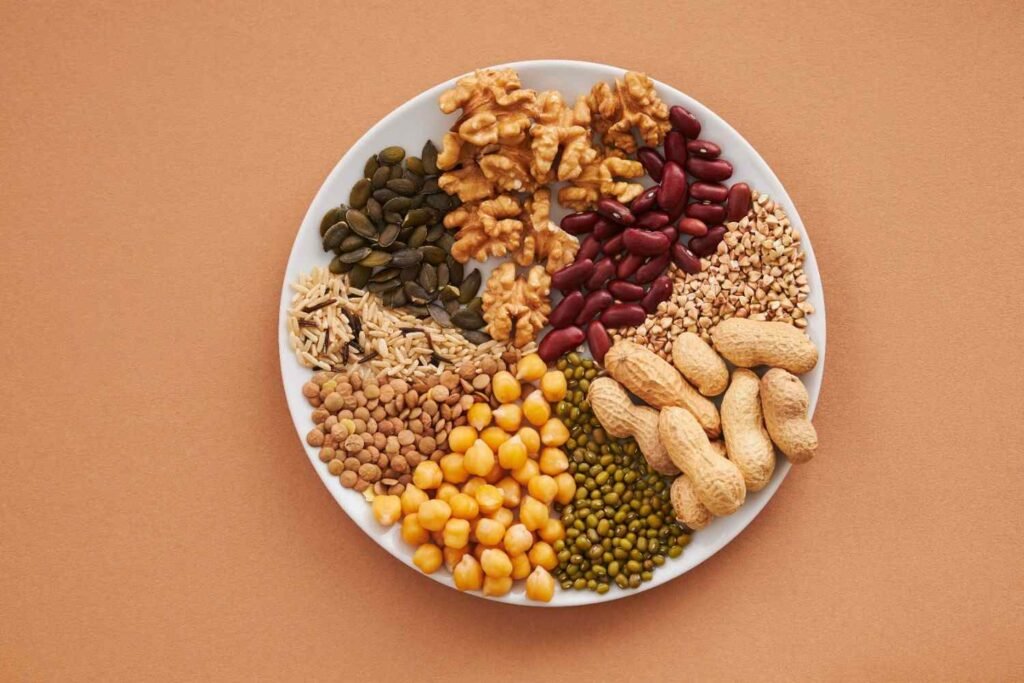
- Pumpkin seeds: One of the best plant sources, and easy to sprinkle on salads, oats, or curd.
- Chickpeas, lentils, and beans: Staples in many Indian kitchens and wonderful zinc sources.
- Cashews and almonds: Great for snacking.
- Hemp seeds and sesame seeds: Tiny but zinc-rich. (Tahini counts too.)
- Whole grains: Oats, quinoa, brown rice, and wheat provide zinc, though absorption is lower because of phytates.
- Tofu and tempeh: Good choices for vegetarians and vegans.
- Fortified cereals: Often enriched with zinc, so check the label.

Easy Ways to Absorb More Zinc
How you eat zinc matters nearly as much as how much you eat. A few smart tricks:
- Soak, sprout, or ferment. Soaking beans and grains overnight, sprouting lentils, and eating fermented foods can reduce phytates and improve absorption. Think idli and dosa batter, sourdough, or tempeh.
- Pair with protein. Animal and plant proteins both support zinc uptake.
- Don’t take it with high-dose calcium or iron supplements. These can compete for absorption. Space them out by a few hours.
- Cook your legumes well. Cooking helps reduce some of the compounds that interfere with minerals.
Sample Zinc-Rich Day of Eating
Here’s what an easy, balanced day might look like:
- Breakfast: Oats cooked in milk with pumpkin seeds and sliced almonds
- Lunch: Chickpea and vegetable curry with brown rice and a side of curd
- Snack: A handful of cashews and a piece of fruit
- Dinner: Grilled chicken or paneer with sautéed spinach, plus a lentil soup
This simple menu delivers a healthy amount of zinc without needing a single supplement.
Signs of Zinc Deficiency
True severe deficiency is uncommon in developed countries, but mild shortfalls can happen, especially in certain groups. Signs may include:
- Frequent colds or infections
- Slow wound healing
- Hair thinning or hair loss
- Loss of appetite
- Changes in taste or smell
- Skin rashes or persistent acne
- Diarrhea
- Tiredness or low mood
- Delayed growth in children
Many of these symptoms have other causes, so don’t assume zinc is the culprit. A doctor can check your levels, although blood tests for zinc aren’t always perfectly reliable, so they’ll consider your diet, symptoms, and health history too.
Who’s at Higher Risk of Low Zinc?
Some people have a harder time getting or absorbing enough:
- Vegetarians and vegans
- Pregnant and breastfeeding women
- People with digestive conditions such as Crohn’s disease, celiac disease, or chronic diarrhea
- People who’ve had bariatric (weight-loss) surgery
- Older adults with reduced appetite
- People who drink heavily, since alcohol reduces absorption and increases loss
- Those with sickle cell disease
If you fall into one of these groups and worry about your intake, talk with a doctor or registered dietitian. Our overview of building a balanced plate can also help.
Can You Take Too Much Zinc?
Yes. More isn’t better. Taking large amounts of zinc supplements, especially over 40 mg a day for a long time, can cause:
- Nausea, vomiting, and stomach cramps
- Headaches
- Reduced “good” HDL cholesterol
- Lower immune function (ironically)
- Copper deficiency, which can lead to anemia and nerve problems
Zinc and copper compete for absorption, so long-term high-dose zinc can lower your copper levels. This is why many quality supplements pair them or keep zinc doses moderate.
You’re highly unlikely to overdo zinc through food alone. Excess usually comes from supplements, lozenges, or overuse of denture creams that contain zinc. Also avoid nasal zinc sprays, which have been linked to a permanent loss of smell.
Choosing a Zinc Supplement
If your doctor recommends a supplement, you’ll notice several forms:
- Zinc gluconate and zinc acetate: Common in lozenges.
- Zinc citrate: Well absorbed and fairly gentle.
- Zinc picolinate: Often marketed as highly absorbable.
- Zinc sulfate: Inexpensive but can upset the stomach.
- Zinc oxide: Less well absorbed orally.
Look for products tested by third parties (such as USP or NSF labels), take them with food if they upset your stomach, and stick to the dose your healthcare provider advises. Supplements can also interact with certain antibiotics and medications, so check first.
Zinc and Other Nutrients: The Team Effect
Nutrients don’t work alone. Zinc works with vitamin A for vision and immunity, with vitamin C for immune support, and with folate for cell growth. It competes with iron and calcium in high doses, and with copper over the long term. That’s why, whenever possible, food comes first. Real meals provide minerals in naturally balanced ratios.
You may also want to read about how gut health affects nutrient absorption, since a healthy digestive system helps you make the most of what you eat.
Frequently Asked Questions
Is it okay to take zinc every day?
Yes, within the recommended range (and below 40 mg total daily intake unless a doctor says otherwise). Most people can meet their needs through diet.
What’s the best time to take zinc?
With a meal if it upsets your stomach. If you also take iron or calcium supplements, separate them by a couple of hours.
Does zinc help with hair loss?
Only if the hair loss is linked to a zinc deficiency. Otherwise, there’s little evidence that extra zinc will help.
Which has more zinc, meat or plants?
Meat generally has more and is better absorbed, but a varied plant-based diet with legumes, seeds, and nuts can meet needs with some planning.
Can zinc prevent colds?
Regular zinc intake supports immune health, but supplements won’t guarantee you avoid colds. Starting lozenges early may slightly shorten them for some people.
Final Thoughts
So, why is zinc important? Because nearly every system in your body leans on it, from immunity and skin to taste, growth, fertility, and healing. The best strategy is simple: eat a varied diet with plenty of legumes, seeds, nuts, dairy, eggs, and (if you eat them) meat and seafood. Supplements should be a targeted tool, not a default.
If you suspect you’re low, speak with your doctor. A little zinc goes a long way, and the right amount keeps you feeling your best.
Disclaimer: This article is for informational purposes only and doesn’t replace professional medical or nutritional advice.