Diet
Intermittent Fasting 16:8: Benefits, Risks, and Who Should Avoid It
Intermittent Fasting | Category: Diet
Intermittent fasting is the third most popular diet in the United States, and probably the least understood. Ask ten people what they think the 16:8 method involves and you’ll get answers that range from “you skip dinner” to “you eat nothing for two days.” Neither is right.
So let’s clear that up first, because everything else depends on it. The 16:8 method means you compress all of your food intake into an eight-hour window and go without calories for the remaining sixteen. If your window runs from noon to 8pm, you eat lunch at noon, snack around 3pm, eat dinner at 7, and then you’re done until noon the next day. Water, black coffee, tea, and anything without meaningful calories are fine throughout the fasting stretch.
That’s it. There’s no magic and no special supplement stack. The interesting question and the one the research has actually been chewing on for the past decade is whether the sixteen hours of not eating do anything for you beyond simply reducing how much you tend to eat.
Because here’s the part that gets glossed over: the 16:8 method is not a calorie-free pass. Nothing about skipping breakfast automatically makes you slimmer. If you start fasting at noon and then compensate on Saturday night with a large pizza and a tub of ice cream, you’ve gained nothing except a rougher week. The research we looked at for this article is fairly blunt about this, and we’ll get into the numbers.
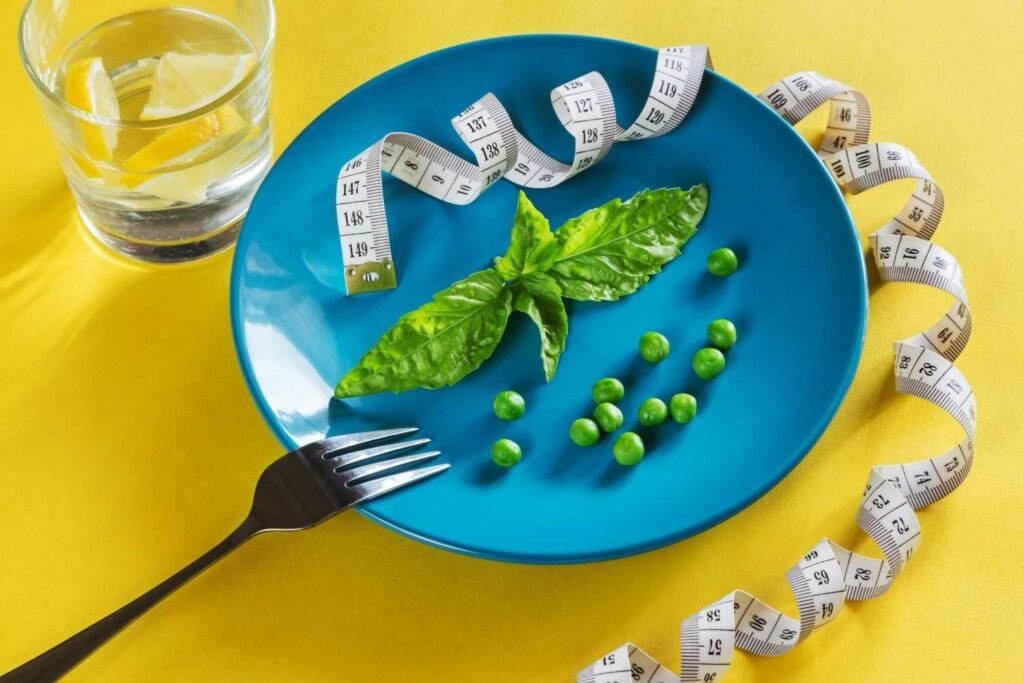
What the research actually shows
The biggest study to date is a 2025 network meta-analysis in The BMJ that pooled 99 randomised clinical trials. It’s the most rigorous look at intermittent fasting we have, and its conclusions are more measured than the headlines suggest.
The headline finding: intermittent fasting diets produce roughly the same weight loss and cardiometabolic improvements as continuous energy restriction. Not better. Not worse. About the same.
That’s a genuinely important result, and it cuts against most of the marketing. When 16:8 was first popularized, the pitch was that compressing your eating window is somehow metabolically superior that it “resets” your insulin, flips you into fat-burning mode, and unlocks autophagy in a way ordinary dieting doesn’t. The BMJ analysis didn’t support that framing. If you compare 16:8 to simply eating 500 calories less per day across the same foods, the outcomes converge.
There were two findings worth flagging, though. First, time-restricted eating which is what 16:8 is produced a small increase in total cholesterol, LDL cholesterol, and non-HDL cholesterol compared with whole-day fasting approaches. Small, but it was consistent. Second, there were no meaningful differences between intermittent fasting, continuous restriction, and unrestricted diets for HbA1c or HDL. So if you’re fasting specifically to fix cholesterol, the evidence doesn’t give you a reason to prefer 16:8 over any other moderate approach.
A separate 2024 umbrella review and network meta-analysis in BMC Medicine reached similar conclusions, rating the certainty of evidence as ranging from moderate to critically low depending on the outcome measured. “Critically low” is worth pausing on. It doesn’t mean the method is useless. It means the trials are small, short, and conducted in ways that make strong conclusions difficult.
One of the more interesting individual studies is the INTERFAST-2 trial, which looked at people with type 2 diabetes who were using insulin. This group is the one clinicians worry about most, because the mechanism of concern is straightforward: fewer meals means less opportunity to take insulin, and if the dose isn’t adjusted, blood sugar falls too low. The researchers found that intermittent fasting performed as well as calorie restriction for improving glycemic control, and importantly that it didn’t increase hypoglycemia risk when medications were adjusted using simple rules. The caveat is doing a lot of work in that sentence. The safety depended on active management.
There’s also more recent pushback from within the medical establishment. A 2026 piece in The Lancet Diabetes & Endocrinology00119-1/abstract) argued that clinical practice guidelines for treating diabetes with intermittent fasting are overdue. If the underlying data has improved enough to say that, it’s a sign the field is moving.
The benefits people actually notice
Let’s set the modesty aside for a second and talk about what tends to happen in practice, because the lab numbers aren’t always what people feel.
Weight loss happens, and it happens for a boring reason. Most people who start 16:8 eat less. Not always some people graze through their window and wonder why nothing changed but on average intake drops. The 2022 meta-analysis in Frontiers in Nutrition found intermittent fasting produced about 1.1 kg more weight loss than doing nothing at all, which is a real but unremarkable difference. Compared to actual calorie restriction, the difference vanished. If your goal is weight loss, 16:8 works. It’s just a slightly more complicated way of eating less.
Meal timing gets simpler. This is underrated. Almost nobody wakes up hungry at 6:30am. Most people are not especially hungry at 9pm either. Removing the meal you don’t want and keeping the ones you do is a sustainability win. Diets that require you to override a strong preference rarely last past month two.
Some people genuinely feel better. There’s a small but real cohort of people who report clearer thinking and no mid-afternoon crash once they’ve moved breakfast out. Whether that’s autophagy, stable blood sugar, or just placebo is genuinely unclear. The honest position is that the mechanism is unproven and the experience is real.
There’s a circadian angle worth knowing about. Separate from the fasting, eating earlier in the day appears to matter independently. A small randomized trial published in Cell Metabolism in 2021 found that people who restricted eating to an eight-hour morning window lost more weight than people who ate the same 2,000 calories in an eight-hour evening window even though total calories were identical. The fasting window was the same length in both groups. The only difference was clock time. If you have to pick a window, an earlier one may be the better bet.
Some adherence benefit for people with disordered eating. Counterintuitively, some clinicians find that a scheduled eating window helps people with binge eating, because it replaces “am I hungry or just anxious?” with “is it mealtime or not?” This is not universal and requires care, but it’s been reported in clinical practice.
The risks and side effects, honestly
Most side effects in the first one to two weeks are annoying rather than dangerous. Expect some combination of:
- Irritability and low patience. Hunger is real, and low blood sugar makes people short-tempered. If you’re fasting from midnight to noon, the last two hours are usually the worst.
- Trouble sleeping or waking up too early. Less common, but there’s a plausible mechanism an empty stomach can trigger ghrelin release, and ghrelin promotes wakefulness.
- Lightheadedness and low energy. Especially in the first fortnight.
- Overeating at the start. The first few times you break the fast, you may find yourself ravenous. This usually passes once your appetite adjusts.
- Constipation, if you don’t drink enough water or eat enough fibre during the window.
A 2024 systematic review in Nutrition Journal specifically examined the adverse event profile of intermittent fasting in adults with overweight or obesity, pooling randomised trials. The reassuring headline: intermittent fasting was not associated with an increase in adverse events overall. The one signal worth noting was a numerically greater risk of dizziness in some subgroups.
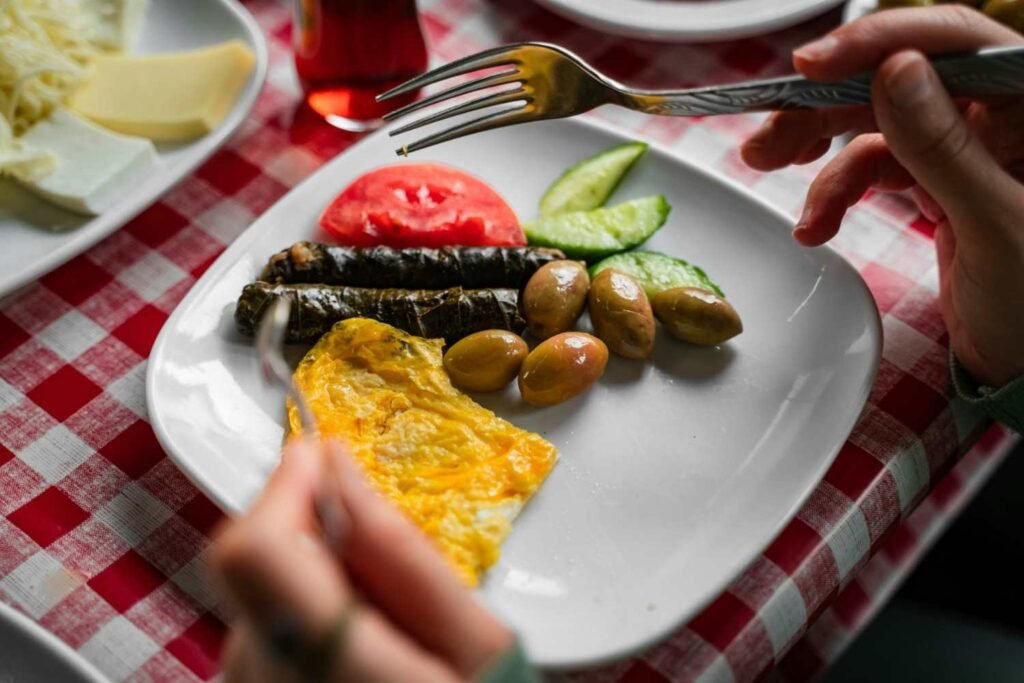
The concerns that are harder to shake off:
Muscle loss is possible, not guaranteed. A resistance-trained person doing 16:8 without adjusting protein intake and training timing may lose lean mass alongside fat. The evidence is mixed and depends heavily on how the fasting is structured, but the risk is real enough that anyone lifting weights should think about it. We touched on protein targets in detail in our high-protein overnight oats guide getting 30 to 40 grams in a single meal is very achievable and takes some of the pressure off.
It can become disordered eating for vulnerable people. Restriction protocols sit close to the edge of obsessive patterns. If fasting starts driving guilt, if you lie about what you’ve eaten, if the thought of the fasting window makes you anxious stop. This is the clearest “should avoid” line in the article and we’ll return to it.
A possible LDL uptick. The BMJ analysis flagged the small cholesterol increase with time-restricted eating versus whole-day fasting. The effect was minor and the studies short, so this isn’t a reason to panic. But if you have a family history of high LDL, it’s worth a lipid panel before and after a few months of 16:8 rather than assuming nothing’s happening.
Hunger that doesn’t resolve. Some people are genuinely more hungry in the late fasting window and it never fully adapts. For them, an easier protocol exists and there’s no prize for suffering through the hard version. Our homemade electrolyte drink covers the hydration side, and some people find that pitching their water with sodium and potassium during the fast makes the hunger more tolerable.
Who should avoid intermittent fasting
This is the section worth bookmarking. The benefits above are real but modest, and every one of them is optional. The risks, for certain groups, are not.
Skip it if you’re pregnant or breastfeeding. Fasting triggers hormonal shifts increased cortisol, potential changes in human growth hormone and leptin levels that aren’t well studied in pregnancy. Nobody has a good reason to be fasting a pregnant person.
Skip it if you’re under 18. Children and teenagers are still growing and are frequently underfuelled already, particularly with disordered eating patterns in the mix. Adolescent athletes doing time-restricted eating is a combination that has required hospital treatment.
Skip it if you have a history of disordered eating, bulimia, or binge eating disorder. This isn’t a “probably fine” situation. The restriction-fasting-binge cycle is well documented, and the structure of 16:8 rigid, pre-planned, with a clear “not allowed” period is close to the structure of other behaviours that cause problems in this group. Some people with eating disorder histories do fine with time-restricted eating under professional guidance. That’s a clinician’s call, not a blog’s.
Be very careful with type 1 diabetes. You have no endogenous insulin production to adjust. Fasting means your insulin requirement drops while your food intake drops, and the timing errors that follow can be dangerous. The INTERFAST-2 trial participants had type 2 diabetes and were on medication that could be adjusted. That’s a materially different situation.
Talk to your doctor first if you use insulin or sulfonylureas. Insulin, glipizide, gliclazide, and similar drugs are the ones that carry hypoglycemia risk. The good news from the trial literature is that with a few simple rules take the dose at your first meal, adjust downward, monitor fasting is doable. The bad news is that “a few simple rules” require a prescriber.
Skip it if you have advanced kidney or liver disease. Fasting changes fluid balance, and both organs are involved in clearing metabolic waste. Not a good environment for an experiment.
Skip it if you have a history of binge eating that you haven’t addressed, or if you’re using fasting to cope with something you haven’t named yet.
Be cautious if you’re underweight, a chronic exerciser, or training through a deliberate cut. Athletes often use 16:8 to eat less around training. It works, but it’s a fine line, and under-fuelling is a real risk in endurance sports.
Be cautious with a history of disordered eating, and with certain eating disorder medications. A note on the intersection of disordered eating and disordered relationships with food, and how the language of “discipline” often lands in both places, is worth reading if this is relevant to you.
Also: anyone taking medication that must be taken with food certain antibiotics, some thyroid medication, specific cardiovascular drugs should check with a pharmacist before collapsing their eating window. And if you take a supplement, timing shifts. If you’re managing a deficiency, that changes the calculation. Our vitamin B12 guide covers why fixing a deficiency takes precedence over any fasting schedule.

How to actually do 16:8 without wrecking yourself
If you’re going to do it, do it like this.
Start with 14:10 or 13:11. Two weeks. This is boring advice and it’s the best advice. Jumping straight into 16:8 is how people quit in week three. If 13:11 feels easy, move to 14:10. If 14:10 feels easy, move to 16:8.
Pick a window that matches your life, not an influencer’s. Early windows (7am to 3pm) have a small edge in the research. But an 8am to 4pm window you actually follow beats a 12pm to 8pm window you don’t. Consistency beats theoretical optimisation every time.
Eat real food during the window. Two large meals and a couple of snacks, mostly whole foods. The homemade electrolyte drink fits nicely here, and so does a protein-heavy breakfast like overnight oats if your window opens late.
Do not fill the window with the thing you’re trying to avoid. A common failure is fasting sixteen hours and then eating processed food, sugar, and refined carbs in the eight-hour window because they feel like a reward. You will get the metabolic profile of a snack attack, on a schedule.
Keep protein high. 1.6 to 2.2 grams per kilogram of body weight per day is the range most lifting-focused nutritionists land on. This is the single most useful thing you can do to protect muscle while fasting.
Keep training where it is. Moving your workout to the start of the eating window, close to the meal you’ll eat after, is the usual advice. Some people prefer to train fasted; both work.
Track how you feel, not just your weight. Sleep quality, mood between meals, training performance, and whether you obsess over food are better signals than the scale. If those get worse, the protocol is too aggressive that’s data, not failure.
Expect a plateau, and know what it is. Weight loss stalls around week six or eight in most people. The cause is almost always that intake crept back up, not that the fasting stopped working. Adjust the food, not the protocol.
The bottom line
Intermittent fasting 16:8 is a reasonable, moderately evidence-backed way to eat less without counting every calorie. That is a real benefit in a world where counting calories is miserable and most people quit.
It is not better than other approaches, it is not magic, and it is not appropriate for everyone. The strongest evidence supports a sober claim: if you compress your eating window, you will probably eat less, and eating less will probably improve your health markers. Everything beyond that is still being figured out.
If you’re in the higher-risk groups above, the answer is a clear no, and it isn’t a near-miss. Everyone else: try 13:11 for a fortnight and see how it feels. That’s cheap, reversible, and more informative than any study we’ve cited.
This article is for general information only and is not medical advice. Talk to a doctor before starting a fasting protocol, especially if you take any medication or have a chronic condition.