Recipes
Homemade Electrolyte Drink Recipe (With No Sugar and No Weird Ingredients)
Electrolyte Drink | Category: Recipes
Store-bought electrolyte drinks cost £2 to £4 a bottle and arrive as a powder containing a long list of words most people can’t pronounce. Meanwhile the thing your body actually needs in that situation is water, sodium, and a little potassium, and you can assemble that in ninety seconds from your kitchen cupboard for roughly the price of the lemon.
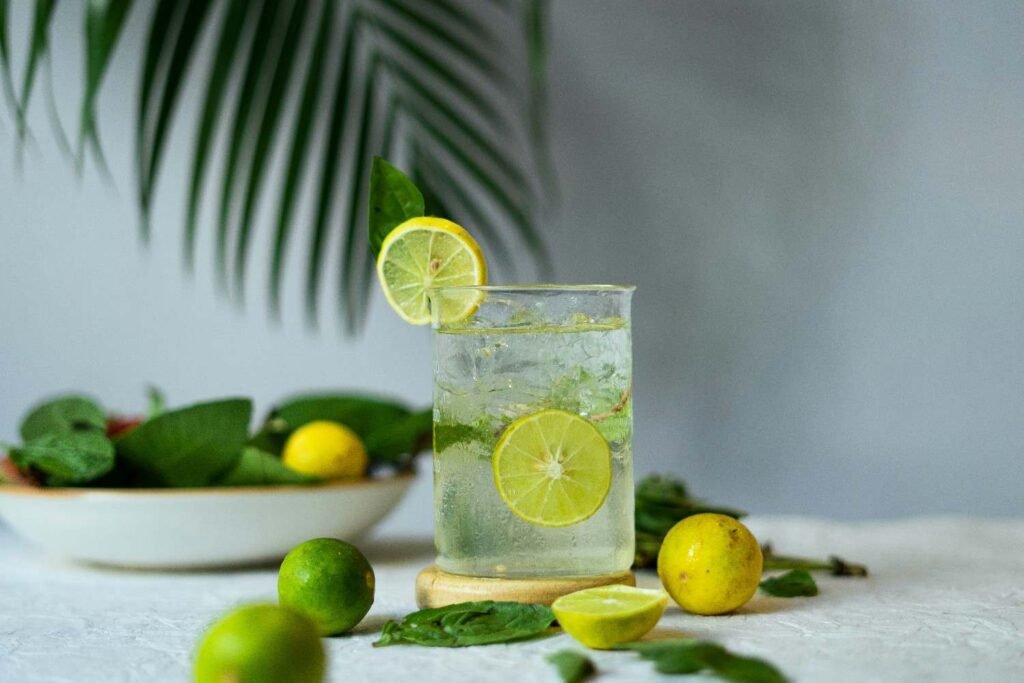
Here’s the recipe, with the numbers that make it work.
First, the thing that confuses most people
Electrolyte drinks and sports drinks are not the same product. This distinction matters, and the marketing has muddied it.
A sports drink Gatorade, Powerade, Lucozade, most commercially available “hydration” products is formulated for exercise lasting over an hour. Its primary fuel is carbohydrate, usually 30 to 60 grams per liter. The sodium is there to help you retain fluid and absorb that carbohydrate. The sugar is the point.
An electrolyte drink is formulated for fluid and mineral replacement. Low or no sugar, higher sodium, and meaningful amounts of potassium and magnesium. This is what you want for heat exposure, illness, fasting, and general daily hydration.
Some products sit ambiguously in between. Some “electrolyte” packets contain 25 to 35 grams of sugar per serving and are closer to a sports drink in disguise. Read the label. If a 12 g scoop contains 5 g of carbohydrate, you’re drinking sports drink powder.
There’s also widespread confusion around oral rehydration solution. ORS is a precise WHO formulation for treating diarrhoeal illness, and it contains around 2,450 mg of sodium per liter. That concentration is correct for a person actively losing fluid to illness. It is too salty for a normal day of drinking, and you should not copy it.
Bottom line for this recipe: 500 to 700 mg sodium per liter. Enough to flavour and support absorption. Nowhere near ORS strength.
The base recipe: homemade electrolyte drink
This makes roughly one liter, or about four glasses.
Ingredients
- 1 liter of cold water (roughly 4 cups)
- 1/4 teaspoon of table salt approximately 575 mg sodium
- Juice of half a lemon or lime (about 2 tablespoons)
- 2 tablespoons of fresh orange juice, for potassium
- 1 to 2 pinches of salt, to taste this is a genuinely important step, see the note below
- Optional: a small handful of mint leaves, crushed between your palms
- Optional: a thin slice of ginger, or 1/4 teaspoon of grated ginger
- Optional: 1 teaspoon of apple cider vinegar
Method
Dissolve the salt first, in the full liter, before adding anything else. Salt doesn’t dissolve well in citrus juice and will clump at the bottom if you add it last. Once it’s clear, add the lemon and orange juice and shake or stir. Add the mint and ginger last, and crush the mint first so it releases its oils a whole handful of mint floating in water does very little.
Serve over ice with a slice of citrus. It’s genuinely good cold, which matters more than it sounds, because you’ll drink far more of it cold.
The salt note. If it doesn’t taste slightly salty, add more. This is the step people skip and then wonder why the drink does nothing. Sodium at 500 mg per liter is mild about 23% of the 2,300 mg Daily Value so it should be perceptible but not aggressive. If the first sip tastes flat, the concentration is too low. Trust your tongue on this one; it’s calibrated for exactly this job.
The salt, in more detail
Salt choice is a small detail that people get wrong, so let’s be specific.
Table salt (fine sea salt or iodised table salt). 1/4 teaspoon is roughly 575 mg of sodium. This is the reliable default.
Kosher salt (Diamond Crystal). Coarse grains pack less tightly, so 1/4 teaspoon is closer to 420 mg. Dial up to about 1/3 teaspoon for the same sodium.
Real Salt or similar mineral salts. Real Salt comes from evaporated seawater and contains trace minerals including magnesium. The sodium per teaspoon is lower than table salt because of the mineral content. Tasty, and a fine choice, but account for the lower concentration by using a bit more.
Himalayan pink salt. Popular, and fine, but it’s a marketing success more than a nutritional one. The pink colour comes from trace minerals in amounts too small to matter. It also has less sodium per teaspoon than table salt. Use it if you like the taste; don’t choose it for the mineral content.
One thing to be careful about: iodine. Iodised table salt is the reason the salt supply in most countries is adequate in iodine, and switching entirely to non-iodised sea or pink salt can quietly remove a meaningful source. If you use specialty salts most days, an occasional use of iodised salt is a reasonable hedge. This is a low-stakes point but it’s a real one.

Getting potassium and magnesium in
Potassium first. The NIH lists adequate intakes rather than a firm RDA for potassium, which typically land around 2,600 to 3,400 mg per day for adults depending on age and sex. There is no established upper limit set by the Institute of Medicine, though people with impaired kidney function have a real and serious risk from excess potassium.
Where to get it in a drink:
- Orange or lemon juice. Half a lemon has roughly 100 to 150 mg. Cheap, effective, and it tastes good. This is our default.
- A pinch of potassium-based salt substitute. These often called “low-sodium salt” typically contain around 1,000 mg of potassium per teaspoon. A half teaspoon adds meaningful potassium. Important: if you have kidney disease, on ACE inhibitors, on potassium-sparing diuretics, or on certain blood pressure medications, do not use salt substitute without asking your doctor first. This is the one genuinely risky item in this recipe, and it’s a real risk, not a theoretical one.
- Coconut water. Naturally contains around 600 mg of potassium per liter. It also contains around 250 to 300 mg of sodium, which is lower than sports drinks, and around 20 g of sugar. So it’s a partial solution rather than a complete one, and it’s a poor fit if you’re avoiding sugar. It is delicious though, and blends well with citrus.
- Watermelon and avocado, if you want to use food rather than supplements.
Magnesium, optionally. Not essential, and this is a “nice to have” rather than a component. A teaspoon of magnesium glycinate powder adds roughly 200 mg of elemental magnesium. It’s the gentler form on the gut than oxide or citrate at higher doses. Our magnesium guide covers the forms in more depth, including why magnesium oxide common in cheap supplements is poorly absorbed.
One dose of a water-soluble magnesium powder in your morning drink is a common and reasonable routine. It’s also completely optional and plenty of people get enough from food.
Skip the multivitamin. A tablet dissolved in water is an unpleasant way to get 200 mg of an incidental nutrient, and several vitamins interact poorly with each other in solution. If you want a supplement, take it separately in pill form.
Four variations
1. Citrus-ginger (the one most people will actually make)
Base recipe, plus 1/4 teaspoon of grated ginger and 6 to 8 crushed mint leaves. Ginger settles the stomach, which makes this the version to make if you’re fasting it’s the standard drink for the last two hours of a fast, when hunger and mild nausea are competing. We use this alongside intermittent fasting 16:8.
2. Berry mint (best in summer, best in a clear bottle)
1 liter water, 1/4 teaspoon salt, a small handful of crushed mint, and 2 tablespoons of fresh or frozen crushed strawberries or raspberries. Skip the citrus the berry does the flavoring. This is the version that converts people who think electrolyte drinks are a medical product.
3. Tropical (coconut based)
Replace half the water with coconut water, then add 1/8 teaspoon of salt (coconut water brings some sodium of its own, so go lighter), the juice of half a lime, and 1 tablespoon of pineapple juice. Sweetest of the four. The most likely to be a problem if you’re counting sugar, since coconut water brings its own.
4. Straight salted water (the underrated one)
Water, a good pinch of salt, nothing else. No lemon. Some people find flavoured electrolyte drinks appealing until they realise they don’t actually like the flavour and have been buying them out of habit. If your only need is sodium, this is it. It’s also the fastest thing to make when you’re sick and everything tastes too sweet.
When you actually need an electrolyte drink
This is worth getting right, because most people are buying these constantly and don’t need them, while the people who genuinely need them often don’t think to.
You need more than plain water when:
- You sweat heavily. Heat, humidity, hard training, or all three. Salt in sweat is how you lose sodium. Running a marathon in summer loses several grams of sodium.
- You exercise for over an hour at moderate-to-high intensity. The ACSM’s position on exercise and fluid replacement notes that dehydration in this range impairs performance and thermoregulation.
- You’re at altitude. Respiratory rate increases at altitude and you lose more fluid, plus you may be urinating more.
- You have a fever or a stomach illness. Both increase fluid loss considerably. This is the single most important use case and the one most people get wrong. In illness, plain water is often not enough, and the reason is sodium.
- You’re fasting. During a fast you’re not losing sodium dramatically, so this isn’t essential but the drink makes the last two hours considerably more tolerable, and it prevents the “I feel weak, is that hunger or dehydration?” ambiguity that ends a lot of fasts early.
- You’re elderly or on diuretics. Both increase losses and reduce the ability to regulate fluid.
You probably don’t need it if you’re a generally active adult, drinking to thirst, eating a balanced diet, and not in extreme heat. Your food is doing most of the work. Electrolyte drinks are a case of a genuinely useful product that is also, for a lot of people, unnecessary most of the time.
How much to drink
A rough guide rather than a prescription:
- General daily hydration: 2 to 3 liters of total fluid, of which one liter can be this drink. More on hot days or during exercise.
- During long exercise: somewhere between 400 ml and 1 liter per hour, depending on sweat rate, heat, and duration. Drink to thirst as a floor rather than forcing a schedule.
- During illness with vomiting or diarrhoea: small amounts, frequently. Sipping continuously works better than drinking a liter at once, which tends to come straight back up.
Thirst is a reasonably good regulator in healthy adults, and it’s more reliable than the old “8 glasses a day” rule, which was never based on good evidence. But in older adults, thirst weakens, and relying on it isn’t wise.
Who should be careful
This is the section that makes the recipe safe rather than just pleasant.
High blood pressure. Sodium raises blood pressure. If you have hypertension, check with your doctor before making this a daily habit, and consider dropping to 1/8 teaspoon per liter or using the straight salted water version sparingly. A 500 mg drink plus a day’s food is well under the 2,300 mg limit, but add up everything soup, bread, sauces and the picture changes.
Kidney disease or reduced kidney function. This is the serious one. Damaged kidneys can’t clear excess sodium, potassium, or magnesium. Fluid restriction may also apply. Do not use this recipe without your doctor’s or renal dietitian’s sign-off.
Heart failure. Sodium and fluid intake are both often restricted, on individual advice.
People on blood pressure medication. Sodium works partly against these drugs. Diuretics also change your potassium needs, sometimes in the opposite direction. Ask rather than assume.
Anyone on salt-restricted diets prescribed by a clinician. Same answer: this recipe isn’t for you without that conversation.
Infants and young children. Never make homemade electrolyte drinks for babies. Use commercially prepared oral rehydration solution, which is formulated to a validated specification. This is not a close-enough situation.
During vomiting illness: if you can’t keep fluids down, you need medical help, not an electrolyte drink.
Storage and cost
Make it fresh. The citrus version stays good for about 24 hours refrigerated. If you want it longer, leave the juice out, use a sanitised bottle, and keep it cold it will last two to three days.
Cost per liter: roughly 40 to 60 pence. The table salt costs essentially nothing; the lemon and the mint do most of the accounting. A single electrolyte packet typically costs three to four times that.
A useful routine is to keep a jar of the citrus-ginger version in the fridge during a fast or a hot week and to make the berry mint version when you want something that doesn’t taste like a remedy.
The bottom line
Water, a quarter teaspoon of salt, the juice of half a lemon, and two tablespoons of orange juice. That works, and it costs almost nothing.
Make it when you’re sweating heavily, when you’re ill, when you’re fasting, or when the alternative is a £3 bottle of powder containing more sugar than the drink was supposed to have. Skip it when you’re drinking to thirst and eating well, because food is already doing the job.
And if you have high blood pressure, kidney disease, heart failure, or take medication that affects sodium or potassium, talk to your doctor before making it a habit. That conversation takes five minutes and it’s the one part of this recipe we shouldn’t be casual about.
This article is for general information only and is not medical advice. Do not use homemade electrolyte drinks for infants, and do not use them to treat dehydration from vomiting or diarrhoea in adults without medical advice. Anyone with kidney disease, heart failure, high blood pressure, or who takes medication affecting sodium or potassium should consult a healthcare professional first.