Health
How to Lower Cortisol Naturally: What Actually Works
If you’ve spent any time on social media lately, you’ve probably been told that cortisol is the villain behind your belly fat, your bad sleep, your mood swings and your afternoon slump. Cortisol “detox” teas, “cortisol cocktails” and expensive supplements are everywhere.
Here’s the more honest story: cortisol isn’t the enemy. You need it to wake up, to handle danger, to control inflammation and to keep your blood sugar steady. The problem isn’t cortisol itself. It’s a stress system that never gets the message that it’s safe to switch off.
So this guide isn’t about “killing” cortisol. It’s about helping your body regulate it, using habits that have real evidence behind them. We’ll also cover the popular tricks that don’t do much, when high cortisol might signal a medical problem, and how to build a realistic routine you can actually stick with.
Quick note: this article is for general information and isn’t medical advice. If you’re worried about your symptoms, please talk to a doctor.

What Is Cortisol, and Why Does It Matter?
Cortisol is a steroid hormone made by your adrenal glands, two small glands sitting on top of your kidneys. It’s controlled by a chain of communication called the HPA axis (hypothalamus, pituitary, adrenal). When your brain senses a threat, it signals the adrenals to release cortisol, which raises blood sugar, sharpens attention and temporarily dials down functions you don’t need in an emergency, like digestion.
That’s useful when you’re dodging a speeding car. It’s less useful when the “threat” is a full inbox at 11 p.m.
Cortisol also follows a daily rhythm. It’s naturally highest in the first 30 to 45 minutes after you wake up (this is called the cortisol awakening response) and gradually falls through the day, reaching its lowest point around bedtime. A healthy curve looks like a slide, high in the morning, low at night.
You can read a clear medical overview of how cortisol works in the NIH’s StatPearls entry on cortisol physiology, and the Harvard Health guide to the stress response is a good plain-English companion.
Signs Your Cortisol Might Be Out of Balance
Because cortisol touches so many systems, the signs are broad and easy to blame on other things. People who deal with chronically elevated stress hormones often report:
- Trouble falling asleep or waking at 3 or 4 a.m. feeling wired
- Feeling tired but “on edge” at the same time
- Frequent sugar or salt cravings
- Weight gain that seems to concentrate around the midsection
- Getting sick more often or recovering slowly
- Anxiety, irritability or low mood
- Brain fog and poor concentration
- Higher blood pressure or blood sugar readings
Here’s the catch: almost every item on that list can also come from poor sleep, thyroid problems, depression, perimenopause, medication side effects and dozens of other causes. You can’t diagnose “high cortisol” from symptoms alone.
When It’s More Than Everyday Stress
In rare cases, very high cortisol is caused by a medical condition called Cushing’s syndrome, which can come from a tumor or from long-term use of steroid medications. Its signs tend to be more distinctive: easy bruising, purple stretch marks, a rounded face, a fatty hump between the shoulders, muscle weakness and very high blood pressure. If that sounds familiar, don’t try to fix it with lifestyle tweaks. See a doctor, who can order blood, saliva or 24-hour urine tests.
The Mayo Clinic’s overview of Cushing syndrome explains the symptoms and causes in more detail.
1. Fix Your Sleep First (It’s the Biggest Lever)
If you only change one thing, change this. Poor and short sleep is one of the most consistent drivers of higher evening cortisol, and high evening cortisol then makes it harder to sleep. It’s a loop, and you break it from the sleep side.
Practical steps that work for most people:
- Keep a consistent wake time, even on weekends. Your body clock loves predictability more than it loves “catching up.”
- Aim for 7 to 9 hours in bed with the opportunity to sleep. The CDC’s sleep guidance outlines how much adults generally need.
- Dim the lights in the last hour before bed and keep your room cool and dark.
- Move screens away or use them on a low setting, and avoid stimulating content like work email or doom-scrolling.
- Cut caffeine by early afternoon. Caffeine has a half-life of around five to six hours, so that 4 p.m. coffee is still partly in your system at 10 p.m.
If you snore heavily, wake with headaches or feel exhausted despite a full night in bed, ask a doctor about sleep apnea. Untreated sleep apnea is a well-known stressor on the body.
For more on building a wind-down routine, see our guide on how to build a better sleep routine.
2. Get Light in Your Eyes Early
Your cortisol rhythm is tied to your body clock, and your body clock is set mostly by light. Getting outside within the first hour or two of waking helps anchor that morning cortisol peak and, in turn, helps your levels fall properly at night. We go deep on this in our article on morning sunlight and whether it actually helps, but the short version is: ten to thirty minutes outdoors is a simple, free upgrade.
3. Move Your Body, But Don’t Overdo It
Exercise is a bit of a paradox for cortisol. A single tough workout raises cortisol temporarily, which is normal and healthy. Over time, though, regular physical activity tends to make your stress response more efficient, so you recover faster and swing less.
The catch is intensity and recovery. If you’re doing hard workouts six or seven days a week, sleeping five hours and eating too little, you’re piling stress on top of stress.
A balanced week for most people might look like:
- 2 to 3 strength sessions
- 2 to 3 moderate cardio sessions or long brisk walks
- At least one or two true rest or gentle days
- Some low-key movement, like stretching, yoga or an easy stroll
Walking deserves a special mention. It’s low-stress, easy to sustain and pairs well with time outdoors. The CDC’s physical activity basics recommend at least 150 minutes of moderate activity a week for adults.
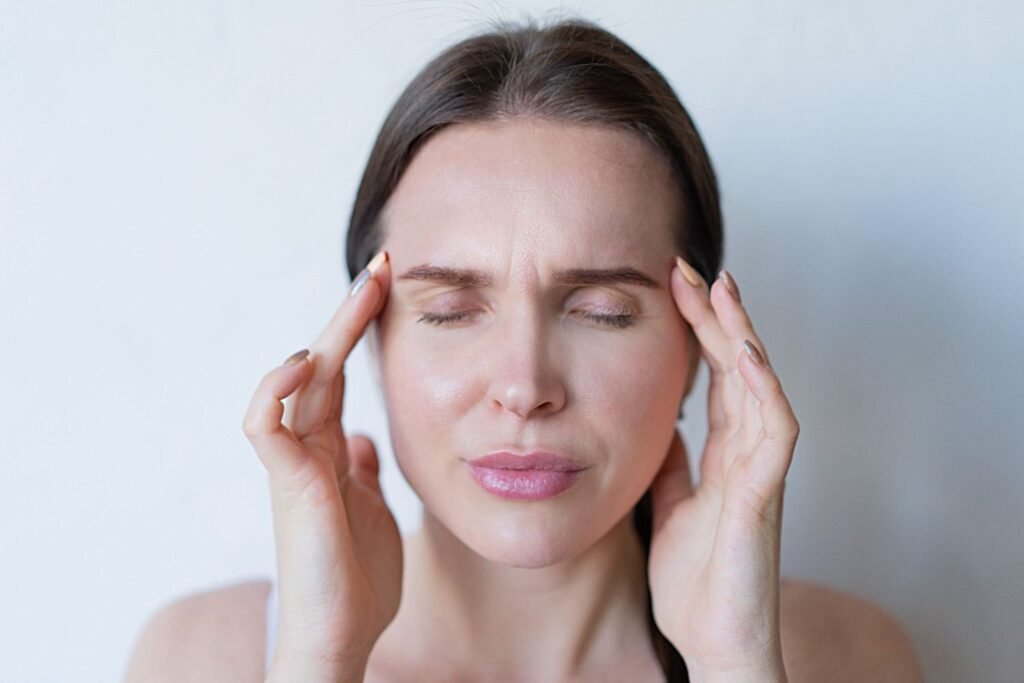
4. Practice Stress Skills That Calm the Nervous System
You can’t eliminate stress, but you can change how your body reacts and how quickly it recovers. The research is strongest for a few simple approaches.
Slow, controlled breathing
Breathing out longer than you breathe in activates the parasympathetic “rest and digest” branch of your nervous system. Try this for three to five minutes:
- Sit comfortably and breathe in through your nose for a count of four.
- Breathe out slowly through your mouth for a count of six to eight.
- Repeat, keeping your shoulders relaxed.
It sounds too simple to matter, but it works because it gives your body a direct physical signal that you’re safe.
Mindfulness and meditation
Studies on mindfulness-based stress reduction show improvements in perceived stress, and some show modest reductions in cortisol, though results vary between studies. You don’t need an hour a day. Even ten minutes with a free app or a quiet timer is a decent start.
Time in nature
Spending time in green spaces has been linked with lower stress markers in several studies. A 20-minute walk in a park is a low-effort way to stack several benefits at once: daylight, movement and a mental break.
Social connection and laughter
Feeling supported is a genuine buffer against stress. Call a friend, share a meal, laugh at something silly. It’s not fluffy advice; loneliness is itself a chronic stressor.
The Mayo Clinic’s stress relief resources offer more techniques if you want to explore.
5. Eat in a Way That Keeps Blood Sugar Steady
Big swings in blood sugar can trigger stress hormone release, and chronic under-eating is a stressor too. You don’t need a special “cortisol diet.” You need regular, balanced meals.
Foods and habits that tend to help:
- Fiber-rich plants: vegetables, fruit, beans, oats and whole grains feed your gut microbes, which communicate with your brain. Our high-fiber smoothie recipes are an easy way to add more.
- Protein at every meal: eggs, fish, poultry, tofu, Greek yogurt or lentils help keep you full and steady.
- Omega-3 fats: fatty fish like salmon and sardines, plus walnuts, flax and chia.
- Magnesium-rich foods: leafy greens, pumpkin seeds, almonds and dark chocolate.
- Fermented foods: yogurt, kefir, kimchi or sauerkraut, if you tolerate them.
- Water: even mild dehydration can raise cortisol in some studies, so sip through the day.
Things worth limiting:
- Large amounts of caffeine, especially on an empty stomach or late in the day
- Frequent alcohol, which disrupts sleep even when it feels relaxing at first
- Ultra-processed, high-sugar snacks that spike and crash your energy
- Skipping meals for hours and then overeating
If you’re on a medication that affects appetite, our guide to the best foods to eat while taking GLP-1 medications explains how to keep meals nutritious when you’re not very hungry.
What about the “cortisol cocktail”?
You may have seen the viral drink made of orange juice, coconut water and a pinch of salt. There’s no solid evidence that it lowers cortisol. It’s basically a hydrating, mildly salty, vitamin C-containing drink. It’s harmless for most people, but it’s not a fix, and it’s high in sugar if you drink it daily.
6. Consider Caffeine and Alcohol More Carefully
Caffeine raises cortisol acutely, especially in people who don’t consume it regularly. If you’re anxious, sleeping poorly or noticing heart palpitations, try halving your intake for a couple of weeks and see how you feel. Switching to a smaller cup, having it with food, or moving your last coffee earlier in the day are all gentle options.
Alcohol is trickier. It may make you feel calmer in the moment, but it fragments sleep and can raise cortisol later at night. If your sleep is a problem, cutting back is often more helpful than people expect.
7. Do What You Enjoy (Seriously)
This one gets ignored because it doesn’t sound scientific. But hobbies, music, creativity, play and time with pets are all linked with lower stress and better mood. Your nervous system needs regular signals that life isn’t only about obligations. Schedule enjoyment the way you schedule meetings, or it won’t happen.
What About Supplements?
This is where hype outruns evidence, so let’s be careful and specific.
- Ashwagandha: Several small trials suggest it may modestly reduce perceived stress and cortisol. But the studies are often short and small, quality varies, and there have been rare reports of liver injury. It’s not suitable for everyone, including people who are pregnant, have thyroid conditions or take certain medications.
- Magnesium: Helpful if you’re actually low, and some people find it supports sleep. It can cause loose stools, and it interacts with some medications.
- Omega-3 (fish oil): Some studies show small benefits for stress markers, but food sources are a better first step.
- L-theanine: Found in tea, it may promote calm alertness. Evidence for a direct cortisol effect is limited.
- Rhodiola, phosphatidylserine and others: Interesting early research, but not strong enough to recommend confidently.
The bottom line: supplements are an add-on, not a foundation. Always check with a pharmacist or doctor first, especially if you take prescription medicines. The NIH Office of Dietary Supplements is a reliable place to look up individual ingredients.
What Doesn’t Work (or Isn’t Worth Your Money)
To save you time and cash, here’s what to be skeptical of:
- “Adrenal fatigue” diagnoses. This isn’t a recognized medical condition, and major endocrine societies don’t accept it. Real adrenal problems, like adrenal insufficiency, are diagnosed with proper tests.
- Cortisol detox teas and “cortisol-blocking” pills. Marketing far exceeds evidence, and some contain stimulants or laxatives.
- Extreme cold plunges as a cure-all. Cold exposure can feel invigorating, but it’s a stressor too, and it won’t fix chronic stress on its own.
- Restrictive diets to “balance hormones.” Severely cutting calories or entire food groups usually raises stress, not lowers it.
- At-home cortisol tests without medical guidance. They can be misleading because cortisol changes constantly through the day.
A Realistic Daily Routine to Lower Cortisol Naturally
You don’t have to overhaul your life. Here’s a simple template you can adapt:
Morning
- Wake at a consistent time
- Get outside for 10 to 20 minutes of daylight
- Eat a breakfast with protein and fiber
- Have your coffee after eating, if you drink it
Daytime
- Take a short walk at lunch
- Do a 2-minute breathing break when you feel tense
- Stay hydrated and eat regular meals
- Set a hard stop time for work when possible
Evening
- Finish caffeine by early afternoon
- Have a lighter, earlier dinner if late meals disturb your sleep
- Dim lights and put screens away an hour before bed
- Do something calming: stretching, reading, a warm shower
Weekly
- 150 minutes of movement, with rest days
- One social or fun activity you look forward to
- One thing you actually take off your to-do list
Pick two or three habits to start, not fifteen. Small changes done consistently beat dramatic ones you drop after a week.
How Long Until You Notice a Difference?
It varies. Some people feel calmer and sleep better within a week or two of improving their sleep and caffeine habits. For others, especially if stress is tied to a demanding job, caregiving or financial worry, it takes longer and involves changing the situation, not just the routine. Be patient with yourself, and remember that “lower cortisol” isn’t a goal you can feel directly. Better sleep, steadier energy and a calmer mood are the real signs.
When to See a Doctor
Please book an appointment if you have:
- Persistent fatigue, weakness or unexplained weight changes
- Very high blood pressure or blood sugar
- Easy bruising, purple stretch marks or a rounded face
- Symptoms of depression or anxiety that affect daily life
- Sleep problems lasting more than a few weeks
A doctor can check for thyroid issues, diabetes, sleep apnea, medication effects and, if appropriate, cortisol-related conditions. Therapy, whether that’s cognitive behavioral therapy or another approach, is also a genuinely effective tool for stress, not a last resort.
Frequently Asked Questions
What is the fastest way to lower cortisol?
There isn’t an instant fix, but slow breathing, a brisk walk, getting some daylight and eating a balanced meal can calm your stress response within minutes to hours. Long-term change comes from sleep, regular movement and stress management.
Does high cortisol cause belly fat?
Chronically high cortisol can encourage fat storage around the abdomen, particularly in conditions like Cushing’s syndrome. For most people, though, belly fat is influenced by many things including genetics, sleep, diet, activity and age. Cortisol is one piece, not the whole story.
Which foods lower cortisol?
No single food does it. A pattern rich in fruits, vegetables, whole grains, legumes, fish, nuts and fermented foods supports steadier blood sugar and gut health, which may help your stress response overall.
Can I test my cortisol at home?
Home saliva kits exist, but a single reading is hard to interpret because cortisol naturally rises and falls. If you think something is wrong, ask a doctor about proper testing.
Is coffee bad for cortisol?
Coffee raises cortisol temporarily. For many people in moderate amounts it’s fine, but if you’re anxious or sleeping badly, reducing caffeine and having it later in the morning after eating can help.
Does exercise raise or lower cortisol?
Both, depending on timing and intensity. Hard workouts raise it briefly, while regular moderate exercise helps your body regulate stress better long term.
The Bottom Line
Lowering cortisol naturally isn’t about a magic supplement or a viral drink. It’s about giving your body consistent signals of safety: regular sleep, daylight, movement, real food, connection and moments of calm. Start with sleep, add a daily walk, and build from there. And if something feels off that lifestyle can’t explain, get checked, because that’s not failure, it’s just smart.
Related reading on Guide Blogs:
- Morning Sunlight: Does Getting Sunlight After Waking Actually Help?
- High-Fiber Smoothies for Gut Health: 10 Recipes
- What Happens When You Stop Intermittent Fasting?
Disclaimer: This article is for educational purposes only and does not replace professional medical advice, diagnosis or treatment.