Recipes
Bone Broth Recipe: Benefits, How to Make It & Ways to Use It Daily
Bone broth has a way of showing up everywhere — in traditional kitchens, in modern wellness routines, in the hands of athletes and grandmothers alike. And honestly, it’s earned the attention. It’s one of the oldest, most nourishing foods in the world, made from little more than bones, water, vegetables, and time. It costs very little, uses parts of the animal that would otherwise be thrown away, and turns them into something deeply comforting and useful.
This guide covers what bone broth is, the benefits people claim for it (and what the evidence actually supports), step-by-step methods for making it on the stovetop or in a slow cooker, tips for rich flavour, how to store it, and practical ways to use it every day.
If you’ve read our article on collagen and whether it works, bone broth is one of the most traditional ways to get collagen. Here’s how to actually make it well.
What Is Bone Broth?
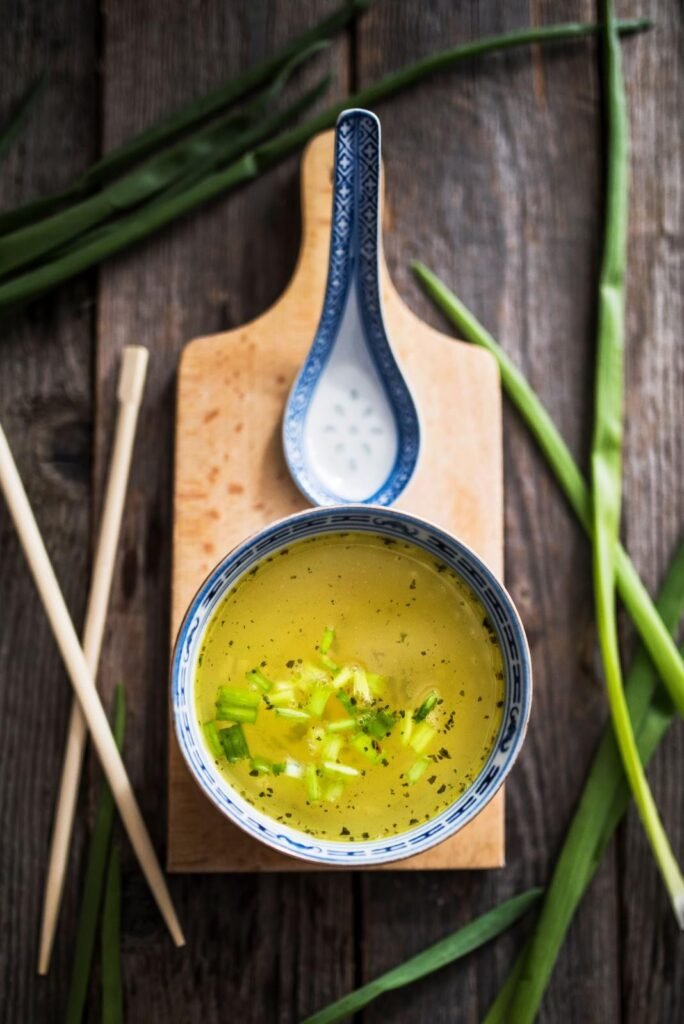
Bone broth is a savoury liquid made by simmering animal bones — usually beef, chicken, or fish — along with vegetables, herbs, and often a splash of vinegar, for a long time. The long simmer extracts:
- Collagen and gelatin from the bones, joints, and connective tissue
- Minerals like calcium, magnesium, and phosphorus
- Amino acids including glycine, proline, and glutamine
- Flavour and body that make it delicious on its own
The difference between bone broth and regular stock is mostly time and intent. Stock is usually simmered for a few hours; bone broth simmers much longer, sometimes 12 to 24 hours, to pull out more collagen and minerals. When properly made and cooled, good bone broth gels — a sign that it’s rich in gelatin.
It’s a staple in many food cultures: Chinese and Korean soups, Japanese ramen broths, European potages, Jewish chicken soup (often called “Jewish penicillin”), and modern wellness kitchens all rely on it.
The Benefits of Bone Broth
Let’s be honest about this. Bone broth is nutritious and comforting, but it’s often oversold. Here’s a balanced look.
Collagen and Joint Health
Bone broth is rich in collagen and gelatin, which provide glycine and proline — amino acids your body uses to build connective tissue. Some people report benefits for joint comfort. The evidence for collagen supplements shows modest joint benefits, and broth is a whole-food source. It’s plausible, though broth’s exact collagen dose varies.
Gut Health and Digestion
Bone broth contains glutamine, an amino acid that fuels the cells lining your gut. It’s often recommended during illness or after periods of digestive upset. It’s gentle and easy to absorb. That said, direct clinical evidence that broth “heals” the gut is limited. If digestion is your main concern, our guide on how stress affects digestion addresses the bigger picture, including the gut-brain axis.
Hydration and Electrolytes
Bone broth contains minerals and is easy to sip, making it a warming, hydrating drink — especially when you’re under the weather or during cold months.
Protein and Satiety
Depending on how it’s made, broth provides some protein in the form of gelatin. It’s not a high-protein food on its own, but it’s satisfying and can help curb appetite.
Comfort and Ritual
There’s real value in a warm, savoury drink that feels nourishing. Bone broth is a comforting ritual, especially in winter or when you’re recovering.
What It Won’t Do
Bone broth is not a cure-all. It won’t single-handedly fix your skin, joints, or gut, and it’s not a meal replacement. Think of it as a nutritious, versatile food that supports an overall healthy diet — not a magic potion.
What You’ll Need
Bones
Quality matters, and it’s flexible:
- Beef bones: marrow bones, knuckle bones, oxtail, and short ribs. A mix of marrow and joint bones gives the best flavour and gel.
- Chicken bones: carcasses, wings, feet, and necks. Chicken feet are especially rich in collagen and make a beautifully gelatinous broth.
- Fish bones: heads and frames, simmered for a much shorter time (1–2 hours).
Ask a butcher for bones — they’re cheap or free. Roasted bones give deeper flavour.
Vegetables and Aromatics
- Onion, carrot, celery (the classic base)
- Garlic
- Herbs: bay leaf, thyme, parsley stems
- Peppercorns
The Vinegar Question
A small splash of vinegar (apple cider or white) is traditionally said to help draw minerals from the bones. The effect is debated, but it doesn’t hurt and a little acid brightens the flavour.
Equipment
- A large stockpot or a slow cooker
- A fine-mesh strainer
- Airtight containers for storage
Step-by-Step: Stovetop Bone Broth
This is the classic method. It takes time, but most of it is hands-off.
Prep time: 20 minutes | Cook time: 8–24 hours | Yield: about 3–4 litres
Ingredients
- 1–1.5 kg (2–3 lb) mixed bones (beef or chicken)
- 2 tablespoons apple cider vinegar
- 1 onion, quartered
- 2 carrots, roughly chopped
- 2 celery stalks, roughly chopped
- 3–4 garlic cloves, smashed
- 2 bay leaves
- A few sprigs of fresh thyme or parsley
- 1 teaspoon black peppercorns
- 1 tablespoon salt (adjust to taste)
- Cold water to cover
Instructions
- Optional but recommended: roast the bones. Spread the bones on a baking sheet and roast at 200°C (400°F) for 30–40 minutes until browned. This deepens the flavour and colour. Skip this if using raw chicken bones for a lighter, cleaner broth.
- Add everything to the pot. Place the bones, vinegar, vegetables, aromatics, and salt in a large stockpot. Cover with cold water by about 5 cm (2 inches).
- Bring to a gentle simmer. Turn the heat to high until it just starts to bubble, then immediately reduce to the lowest possible simmer. Never let it boil hard — rapid boiling makes the broth cloudy and can make the fat emulsify.
- Simmer, uncovered or partly covered, for 8–24 hours. Chicken bones need less time (8–12 hours); beef bones benefit from longer (12–24 hours). Keep an eye on the water level and top up with hot water if needed.
- Skim occasionally. Use a spoon to remove any foam or fat that rises in the first hour.
- Strain. Turn off the heat and let it cool slightly. Strain through a fine-mesh sieve into a large bowl or pot. Discard the solids.
- Cool and remove the fat. Refrigerate until fully cold; the fat will solidify on top and can be skimmed off. You can save that fat (tallow or schmaltz) for cooking.
- Taste and season. Adjust salt, then store.
Slow Cooker Bone Broth
If you’d rather set it and forget it, the slow cooker is ideal.
Instructions
- Add roasted bones, vinegar, vegetables, and aromatics to the slow cooker.
- Fill with cold water, leaving a little headroom.
- Cook on low for 12–24 hours (or high for 6–8 hours for chicken bones).
- Strain, cool, skim, and season as above.
The long, steady low heat makes this method almost foolproof.
Pressure Cooker (Fast Method)
Short on time? A pressure cooker can make decent broth in 1–2 hours. It won’t develop quite the same depth as a long simmer, but it’s a solid everyday option. Cook chicken bones for about 60 minutes and beef bones for 90–120 minutes at high pressure, then let the pressure release naturally.
Tips for Rich, Gelatinous Broth
- Use a mix of bones. Joint bones and feet give the best gel; marrow bones give richness.
- Roast the bones. Browned bones mean deeper flavour and colour.
- Add chicken feet or wings for extra collagen — they practically guarantee a gelled result.
- Keep the simmer gentle. A hard boil ruins clarity and texture.
- Don’t skip the vinegar, and give it time to work.
- Simmer longer for beef, but don’t overdo chicken or it can turn bitter.
- Season at the end. You need more salt than you’d think, but add it after straining.
- Skim the fat if you want a cleaner broth, or leave a little for flavour and richness.
How to Store Bone Broth
- Fridge: Up to 4–5 days in an airtight container.
- Freezer: Up to 6 months. Freeze in glass jars (leave headroom for expansion), silicone trays, or muffin tins for easy portions.
- Canning: Possible with a pressure canner following tested guidelines, but freezing is simpler and safer for most home cooks.
Label your containers with the date and type of broth.
Ways to Use Bone Broth Daily
This is where bone broth earns its place — it’s endlessly versatile.
- Sip it plain. Warm a mug with a pinch of salt and herbs for a comforting drink.
- Use it as a base for soups and stews. It upgrades everything from lentil soup to ramen.
- Cook grains in it. Replace water with broth when making rice, quinoa, or couscous for extra flavour and nutrients.
- Make risotto or polenta with broth instead of water.
- Add it to sauces and gravies for depth.
- Braise vegetables or meat in it.
- Use it for noodles and ramen. A great match with our homemade kimchi recipe.
- Warm it with ginger and garlic when you’re feeling under the weather.
- Use it to reheat leftovers so they don’t dry out.
- Blend it into savoury oats or congee for a nourishing breakfast.
A cup a day is an easy habit to build, and it slots naturally into a varied diet alongside fermented foods like homemade cheese.
Variations Around the World
- Chicken soup: Add noodles, carrots, and celery for the classic comfort food.
- Beef pho-style: Add star anise, cinnamon, ginger, and fish sauce.
- Ramen base: Combine with miso, soy, and aromatics.
- Korean-style: Add kimchi and gochujang for heat.
- French onion soup: Build on rich beef broth with caramelized onions.
- Fish broth: Simmer fish frames briefly for a delicate base for seafood soups.
Common Mistakes to Avoid
- Boiling hard. Keep it at a bare simmer.
- Not enough bones. Weak broth comes from too few bones and too much water.
- Skipping the skim. Leaving all the scum and fat makes it greasy and cloudy.
- Over-seasoning early. Salt concentrates as the broth reduces.
- Simmering chicken too long. It can turn bitter after 12+ hours.
- Bones from a poorly sourced animal. Choose quality when you can.
Frequently Asked Questions
Is bone broth the same as stock?
They’re similar, but bone broth simmers much longer to extract more collagen and minerals.
Why didn’t my broth gel?
The gel comes from collagen. Add more joint bones or chicken feet and simmer longer.
Is bone broth high in protein?
It has some protein (gelatin), but it’s not a high-protein food. Treat it as a nutritious supplement to meals.
Can I make it vegetarian?
Traditional bone broth isn’t vegetarian, but you can make a mineral-rich vegetable broth using mushrooms, seaweed, and kombu. It won’t have collagen, though. Our plant-based protein guide covers plant-based nutrient strategies.
How much should I drink?
There’s no set rule — a cup a day is a common, comfortable amount.
Is bone broth safe for everyone?
Generally yes, but check with a doctor if you have specific dietary restrictions or conditions like histamine intolerance.
The Bottom Line
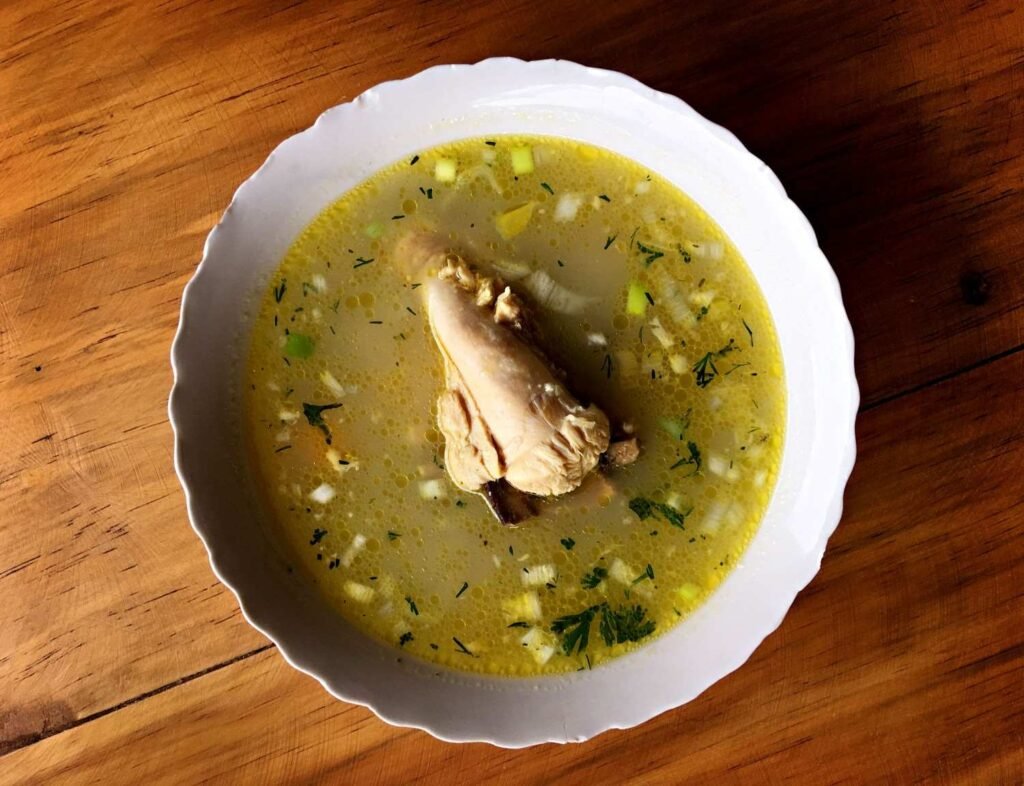
Bone broth is one of the simplest, most traditional, and most versatile foods you can make. It’s rich in collagen, gelatin, and minerals, easy on the digestion, and endlessly useful in the kitchen — as a drink, a soup base, or a cooking liquid that makes everything taste better.
It won’t work miracles, but it will nourish you, warm you, and make your meals more delicious for very little cost. And it connects you to a cooking tradition that’s been feeding people around the world for centuries.
For more kitchen and wellness guides — including our collagen guide, kimchi recipe, and homemade cheese guide — visit guideblogs.com.
This article is for general information only and is not medical advice. Consult a qualified professional if you have specific dietary concerns.