Lifestyle
Blood Sugar Balance: Everyday Habits and Foods That Keep Levels Steady
Blood sugar is one of those things most people don’t think about until something goes wrong. But the reality is that your blood sugar is fluctuating all day, every day, in response to what you eat, how you move, how you sleep, and how stressed you are. When those swings get too big, you feel it — in your energy, your mood, your hunger, and your ability to concentrate.
The good news is that blood sugar balance isn’t some medical mystery reserved for people with diabetes. It’s a daily practice built on a handful of simple, repeatable habits. This guide explains how blood sugar works, what throws it off, and — most importantly — the everyday foods and routines that keep it steady.
If you’ve read our Mediterranean diet guide, you’ll notice that pattern naturally supports blood sugar. Here we focus specifically on the mechanics and habits.
What Is Blood Sugar, and Why Does It Matter?
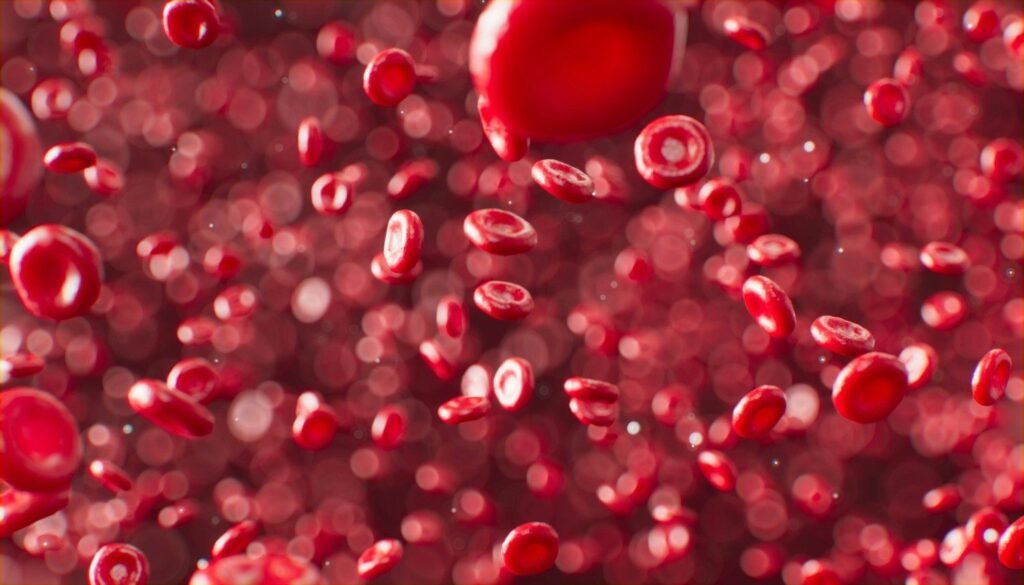
Blood sugar — also called blood glucose — is the main form of sugar circulating in your blood. It comes from the food you eat, especially carbohydrates, and it’s the primary fuel your cells use for energy. Your brain, in particular, depends on a steady supply of glucose.
Your body manages blood sugar with two key hormones:
- Insulin — released when blood sugar rises. It signals your cells to take in glucose, lowering blood sugar.
- Glucagon — released when blood sugar drops. It tells your liver to release stored glucose.
When this system works well, your blood sugar rises gently after a meal and settles back to a healthy baseline within a couple of hours. It’s a smooth wave, not a spike and crash.
The Health Consequences of Imbalance
When blood sugar swings too high too often, over time the body can become insulin resistant — the cells stop responding well to insulin. The pancreas compensates by making more insulin, and eventually it can’t keep up. This progression is what leads to prediabetes and type 2 diabetes.
Even before that, unstable blood sugar is linked to:
- Fatigue and energy crashes
- Intense cravings and constant hunger
- Difficulty concentrating (“brain fog”)
- Mood swings and irritability
- Poor sleep
- Long-term risk to the heart, kidneys, eyes, and nerves
According to the CDC, more than one in three adults has prediabetes, and most don’t know it. That’s why everyday habits matter — not as a treatment for disease, but as prevention and general wellbeing.
How Blood Sugar Works After a Meal
Here’s a simplified timeline of what should happen when you eat:
- Carbohydrates break down into glucose during digestion.
- Blood sugar rises, and the pancreas releases insulin.
- Cells absorb glucose for energy or store it as glycogen.
- Blood sugar settles back toward baseline over one to two hours.
Several factors influence how big the rise is and how quickly it comes down:
- The type of carbs — fast-digesting vs slow-digesting
- What else is on the plate — fiber, protein, and fat all slow absorption
- The order you eat foods in
- Your activity level before and after the meal
- Your sleep and stress levels
- Your individual biology and insulin sensitivity
That last point is crucial: two people can eat the same meal and have very different blood sugar responses. There’s no one-size-fits-all, which is why habits matter more than rigid rules.
Signs Your Blood Sugar May Be Out of Balance
Watch for these patterns:
- Energy crashes an hour or two after eating
- Feeling shaky, irritable, or “hangry” between meals
- Strong cravings for sugar or refined carbs
- Waking up tired even after a full night’s sleep
- Frequent urination and thirst
- Difficulty concentrating in the afternoon
- Slow wound healing (a more serious sign)
- Extra weight around the midsection
These are also symptoms of many other things, so if they’re persistent, see a doctor and get tested. But as everyday signals, they’re worth paying attention to.
Foods That Help Keep Blood Sugar Steady
Let’s start with what to eat. The theme across all of these is fiber, protein, and healthy fat — the three nutrients that slow digestion and blunt blood sugar spikes.
Vegetables, Especially Non-Starchy Ones
Leafy greens, broccoli, peppers, cauliflower, zucchini, and tomatoes are low in carbs and high in fiber. Starting a meal with vegetables is one of the easiest ways to reduce the glucose spike from whatever follows.
Legumes
Beans, lentils, and chickpeas have a low glycemic index and are packed with fiber and protein. They’re among the best blood-sugar-friendly foods there are. Our plant-based protein guide covers just how versatile and protein-rich they are.
Whole Grains
Oats, barley, quinoa, brown rice, and whole-wheat products digest more slowly than refined grains. They still contain carbs, but the fiber moderates the rise.
Protein
Eggs, fish, chicken, tofu, tempeh, Greek yogurt, and nuts slow digestion and increase satiety. Protein is your ally here.
Healthy Fats
Olive oil, avocado, nuts, seeds, and fatty fish (rich in omega-3s) slow the absorption of carbs and support heart health. Add them to meals rather than eating carbs alone.
Fruits — With Fiber
Whole fruits like berries, apples, pears, and citrus are fine in moderation because their fiber slows sugar absorption. Fruit juice, by contrast, is essentially sugar water without the fiber — a big spike in a glass.
Fermented Foods
Yogurt, kefir, kimchi, and sauerkraut supply probiotics that may support metabolic health. Our kimchi recipe and homemade cheese guide are good starting points.
Vinegar and Cinnamon
A bit of vinegar on a salad, or a spoonful before a carb-heavy meal, has been shown in some studies to blunt the post-meal glucose rise. Cinnamon may slightly improve insulin sensitivity. Neither is a magic fix, but both are low-effort additions.
Foods That Spike Blood Sugar
You don’t need to ban these, but it helps to know which foods cause the biggest and fastest rises:
- Sugary drinks (soda, sweetened juice, sweetened coffee)
- White bread, white rice, and refined pasta
- Pastries, cakes, cookies, and candy
- Breakfast cereals high in added sugar
- Processed snacks and fast food
- Alcohol on an empty stomach (can cause swings in both directions)
The problem isn’t any single meal — it’s the pattern. Frequent, large spikes are what stress the system over time.
The Meal-Order Trick
Here’s a surprisingly effective, evidence-based habit: eat your food in a specific order.
Start with vegetables and protein, then eat the starchy carbs last. Studies have shown that this simple sequencing can reduce the post-meal blood sugar spike compared with eating the carbs first. It works because the fiber, protein, and fat form a “buffer,” slowing the release of glucose.
Try it: greens and protein first, then the rice, bread, or potato. It costs you nothing and makes a real difference.
Habits That Keep Blood Sugar Steady
Food is only part of the story. These lifestyle habits matter just as much.
Move After Meals
A gentle walk for 10–15 minutes after eating is one of the most reliable ways to lower post-meal blood sugar. Your muscles use glucose for fuel, and contracting muscles can absorb glucose without needing as much insulin. Even light housework or standing helps. Our walking benefits guide covers the broader advantages.
Strength Train
Muscle is a major glucose “sink” — more muscle means more places for glucose to go. Regular strength training for longevity improves insulin sensitivity and long-term metabolic health.
Prioritize Sleep
A single night of poor sleep can measurably worsen insulin sensitivity. Chronic short sleep is strongly linked to type 2 diabetes risk. Our sustainable sleep routine guide is essential reading here.
Manage Stress
Stress hormones like cortisol raise blood sugar, because the body is preparing for action. Chronic stress keeps blood sugar elevated. The gut-brain link means stress also affects how you digest food. See our guide on how stress affects digestion.
Don’t Skip Meals Erratically
Skipping breakfast and then eating a huge meal can cause a bigger spike and more fluctuation. A consistent eating rhythm helps. Intermittent fasting works well for some people, but the key is consistency rather than extremes.
Stay Hydrated
Water supports healthy blood sugar levels. Sugary drinks do the opposite.
Go Easy on Alcohol
Alcohol can cause both highs and lows, especially without food. It also disrupts sleep, which feeds back into blood sugar.
A Sample Day That Supports Balance
- Breakfast: Greek yogurt with berries, chia seeds, and walnuts
- Mid-morning: A handful of almonds
- Lunch: Mediterranean salad with chickpeas, olive oil, and lemon — then a 10-minute walk
- Afternoon: Veggie sticks with hummus
- Dinner: Grilled salmon with roasted vegetables and quinoa (vegetables first)
- Evening: A short walk, then wind-down
Notice the pattern: vegetables, protein, and fat at every meal; carbs always accompanied by fiber and protein; movement after eating; and no sugary drinks. This isn’t deprivation — it’s just a rhythm that keeps energy steady.
Common Mistakes That Wreck Blood Sugar
- Eating carbs alone. A plain bagel or bowl of cereal with no protein or fat spikes blood sugar fast.
- Drinking your calories. Smoothies loaded with fruit or juice can spike glucose despite seeming healthy.
- Skipping breakfast, then bingeing at night. Big swings.
- Poor sleep and high stress. Both directly raise blood sugar.
- Sitting all day. Even if you exercise once, long sedentary stretches hurt glucose control.
- “Healthy” processed snacks. Many granola bars and flavoured yogurts are high in sugar.
How to Test and Track Your Blood Sugar
You can’t feel your way to good blood sugar control — you need data. Here’s what to know.
- HbA1c: A blood test that reflects your average blood sugar over the past two to three months. It’s the standard screening tool for prediabetes and diabetes.
- Fasting glucose: Measures blood sugar after not eating for eight hours or more.
- Oral glucose tolerance test: Measures how well your body handles a sugar load.
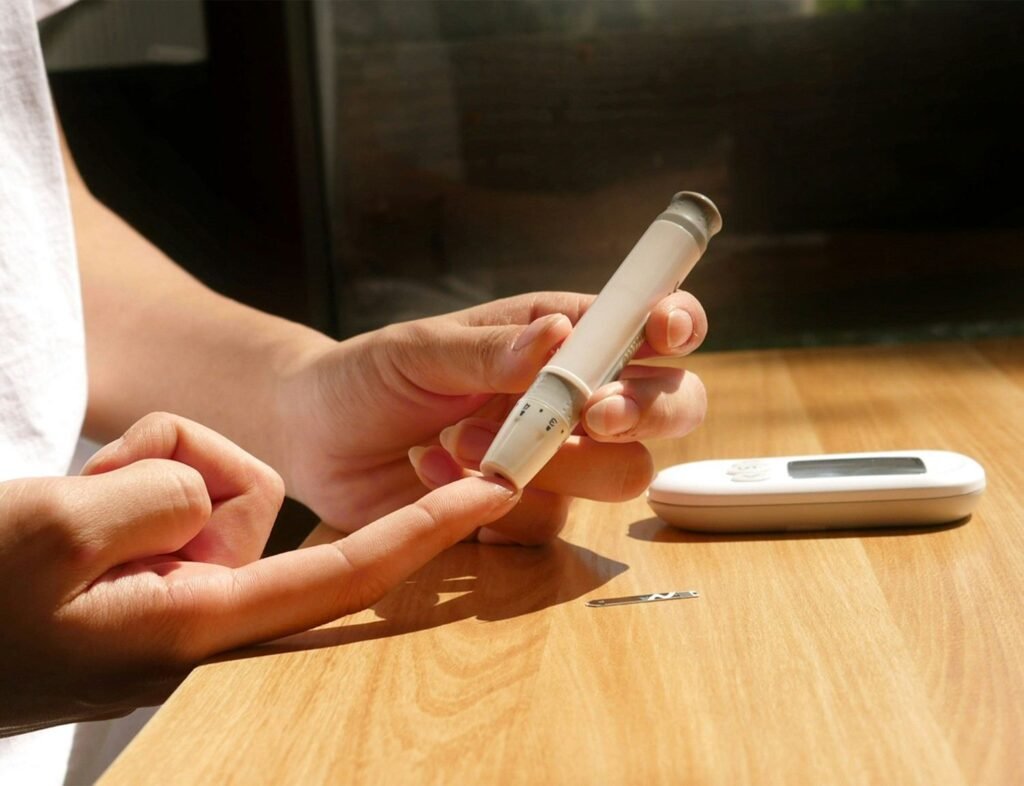
- Continuous glucose monitors (CGMs): Small sensors that track glucose in real time. They’ve become popular even among people without diabetes, because they show exactly how your body responds to specific foods and habits — including that post-meal walk.
If you’re curious and generally healthy, a fasting glucose or HbA1c test through your doctor is a sensible starting point. If you have symptoms or risk factors, don’t put it off. There’s no harm in knowing where you stand, and prediabetes is often reversible with lifestyle changes.
For most people, though, obsessive tracking isn’t necessary. A few simple experiments — like eating vegetables first, walking after dinner, or reducing sugary drinks — will tell you a lot about how your body responds.

Frequently Asked Questions
Do I need to cut out carbs?
No. The goal is balance, not elimination — pair carbs with fiber, protein, and fat.
Is fruit bad for blood sugar?
Whole fruit is fine in moderation because of its fiber. Fruit juice is the problem.
Can walking really lower blood sugar?
Yes. A short walk after meals meaningfully reduces the post-meal rise.
Are artificial sweeteners a good swap?
They don’t raise blood sugar, but they’re not a health food. Use them to reduce sugar, not as a habit to lean on.
How do I know if I have a problem?
Only testing can tell you. Ask your doctor about fasting glucose or HbA1c if you have symptoms or risk factors.
The Bottom Line
Blood sugar balance isn’t about a strict diet or a medical checklist. It’s about eating vegetables, protein, and healthy fats alongside your carbs, moving after meals, sleeping well, and managing stress. Those habits slow digestion, help your muscles use glucose, and keep the hormone system that manages blood sugar working smoothly.
The most powerful changes are also the simplest: front-load vegetables and protein, walk after eating, lift something a few times a week, and protect your sleep. Do that consistently, and your energy, mood, and cravings will feel the difference.
For more connected guides, see our articles on sleep, stress and digestion, and the Mediterranean diet — and explore more at guideblogs.com.
This article is for general information only and is not medical advice. If you have diabetes, prediabetes, or symptoms of blood sugar problems, consult a qualified healthcare professional.