Lifestyle
Longevity Lifestyle: 10 Healthy Habits to Live Longer and Age Better
Longevity Lifestyle: Everyone wants to live longer. But if you ask people what they really want, the answer is usually more specific: more good years. Years where you can walk the dog, play with your grandkids, travel, think clearly, and say yes to things.
The good news is that a huge portion of how we age comes down to everyday choices. Genetics matter, but studies suggest lifestyle accounts for a large share of the difference in how long, and how well, we live. A frequently cited Harvard study published in Circulation followed more than 100,000 people for decades and found that adults who followed five healthy habits (not smoking, healthy weight, regular exercise, moderate alcohol, and a quality diet) lived roughly 12 to 14 years longer at age 50 than those who followed none.
That’s the power of small, repeated choices. Let’s walk through ten habits that research keeps pointing to, with practical ways to actually make them stick.
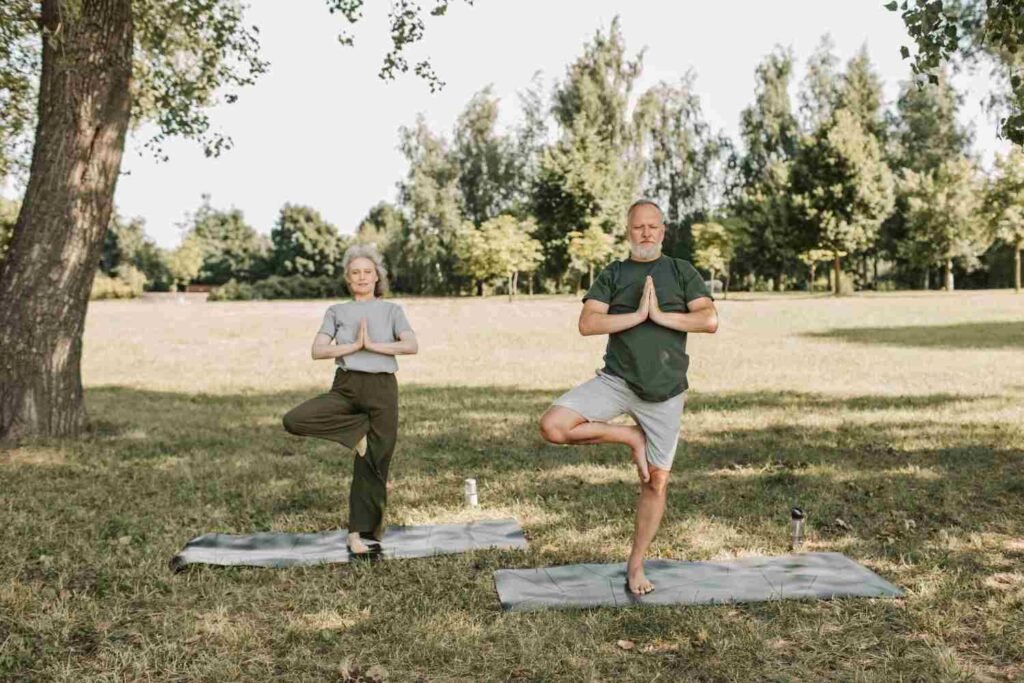
1. Move Your Body Every Single Day
Physical activity is the closest thing we have to a miracle drug. It lowers the risk of heart disease, type 2 diabetes, several cancers, depression, and dementia. And it doesn’t require a gym membership.
Public health guidelines suggest at least 150 minutes of moderate activity per week, such as brisk walking, plus muscle-strengthening work twice a week. Step-count research suggests health benefits start accumulating well below 10,000 steps, with large gains around the 6,000 to 8,000 range for many adults. The magic number isn’t fixed; the point is to move more than you did last month.
Easy ways to start:
- Take a 10-minute walk after each meal (it also helps blood sugar).
- Use stairs when you can.
- Stand up and stretch every hour if you sit for work.
- Pick something you enjoy, like dancing, badminton, cycling, swimming, or gardening, because the best exercise is the one you’ll actually do.
2. Build and Protect Your Muscle
Muscle is a longevity organ. From our 30s onward, we gradually lose muscle mass and strength, a process called sarcopenia. Weak muscles are linked to falls, fractures, loss of independence, and earlier death. Grip strength, funnily enough, is one of the better predictors of longevity.
Strength training two to three times a week using bodyweight, resistance bands, or weights helps keep muscle and bone dense well into old age. Studies show people in their 80s and 90s can build strength with training. It’s never too late.
Pair it with enough protein, around 1.0 to 1.2 grams per kilogram of body weight for many older adults (more if advised), spread across meals. If you’re a man curious about hormones and muscle, our guide on natural testosterone boosters is a nice follow-up read.
3. Eat a Mostly Plant-Rich, Minimally Processed Diet
No single food makes you immortal, but patterns matter. The regions known as “Blue Zones,” places like Okinawa in Japan, Sardinia in Italy, Ikaria in Greece, and Loma Linda in California, where people reach 100 at unusually high rates, share a theme: diets built around beans, vegetables, whole grains, nuts, and modest amounts of animal foods. You can explore this research on the Blue Zones website.
A practical template:
- Fill half your plate with vegetables and fruit.
- Make legumes, whole grains, nuts, and seeds everyday staples. Dal, rajma, chana, millets, and nuts fit perfectly.
- Choose healthy fats like olive oil, mustard oil, or groundnut oil in moderation.
- Eat fish a couple of times a week if you eat non-vegetarian food.
- Cut back on ultra-processed snacks, sugary drinks, and excess red and processed meat.
- Stop eating when you feel about 80 percent full, a practice called hara hachi bu in Okinawa.
Add fermented foods like yogurt, chaas, and kimchi for gut health. We cover this in our post on fermented foods for the gut microbiome.
4. Prioritize Sleep as Seriously as Diet and Exercise
Sleep isn’t wasted time. It’s when your brain clears waste, your body repairs tissue, and your hormones reset. Chronic short sleep, under about six hours, is linked to higher risks of obesity, diabetes, heart disease, depression, and cognitive decline.
Most adults do best with 7 to 9 hours. To improve yours:
- Keep a consistent sleep and wake time.
- Get morning light exposure to anchor your body clock.
- Keep your room dark and cool.
- Skip heavy meals, caffeine, and alcohol close to bedtime. Alcohol might help you fall asleep, but it fragments sleep later.
- Wind down with a book, light stretching, or a warm shower instead of scrolling.
If you snore loudly or wake unrefreshed, ask your doctor about sleep apnea. It’s common and treatable.

5. Nurture Your Relationships
This one surprises people, but social connection is as powerful for survival as many classic health factors. A large meta-analysis by psychologist Julianne Holt-Lunstad found that people with strong social relationships had about a 50 percent greater likelihood of survival over the study periods than those with weak ties. Loneliness is linked to higher risks of heart disease, depression, and cognitive decline.
You don’t need a huge circle. You need a few real relationships:
- Call a friend or family member regularly.
- Join a club, class, faith community, walking group, or volunteering team.
- Have meals with others when possible.
- Be the person who initiates, because most people are waiting for someone else to.
The longest-running study of adult life, the Harvard Study of Adult Development, concluded that good relationships are the strongest predictor of health and happiness in later life. That’s hard to beat.
6. Manage Stress Before It Manages You
Short bursts of stress are normal. Chronic, unrelieved stress keeps cortisol and inflammation elevated and wears down your heart, immune system, and mind. Stress management isn’t about eliminating stress; it’s about recovering from it.
Techniques worth trying:
- Breathing exercises: Slow breathing, like inhaling for 4 and exhaling for 6, calms the nervous system.
- Meditation or mindfulness: Even 5 to 10 minutes counts.
- Yoga or tai chi: Combine movement, breath, and calm.
- Nature time: Walks in green spaces lower stress hormones.
- Boundaries: Learn to say no, and protect rest days.
If you feel overwhelmed for weeks, therapy isn’t weakness. It’s maintenance, like servicing a car.
7. Find Your Purpose
In Okinawa they call it ikigai, a reason to get up in the morning. In Costa Rica’s Nicoya region, it’s plan de vida. Studies of older adults consistently show that people with a strong sense of purpose have lower mortality, lower dementia risk, and better physical function.
Purpose doesn’t have to be grand. It can be caring for family, mentoring younger colleagues, gardening, learning a language, creating art, or community service. Ask yourself: What makes me lose track of time? Who needs me? What do I want to learn before I’m 80?
Retirement without purpose can be quietly harmful, so plan something to retire to, not just from.
8. Avoid Tobacco and Keep Alcohol Moderate
If you smoke, quitting is the single most powerful longevity move available to you. Former smokers who quit by about age 40 can regain almost the full life expectancy of non-smokers, and even quitting in your 60s adds years. Help is available through your doctor, quitlines, nicotine replacement, and medications.
For alcohol, the old idea that a daily glass of wine is protective has been challenged by recent research, with newer analyses suggesting the risk-free level is lower than previously thought. If you drink, keep it light and consider alcohol-free days. If you don’t drink, there’s no reason to start.
9. Stay on Top of Preventive Health Care
Longevity isn’t just about what you do at home. It also depends on catching problems early. Many of the biggest killers, including heart disease, stroke, diabetes, and several cancers, are far more treatable when found early.
A simple prevention checklist (ask your doctor what’s right for your age and risk):
- Regular blood pressure checks
- Cholesterol and blood sugar or HbA1c tests
- Cancer screenings like mammograms, Pap tests or HPV tests, colonoscopy, and prostate discussions where appropriate
- Vaccinations: flu, pneumonia, shingles, tetanus, and others as advised
- Dental and eye exams, because oral health and vision affect overall health
- Hearing checks, since untreated hearing loss is linked to cognitive decline
The National Institute on Aging offers excellent guidance on healthy aging at every stage.
10. Keep Learning and Challenging Your Brain
Brain health is a major part of aging well. People who stay mentally engaged, with learning, reading, puzzles, new skills, social activities, and meaningful work, tend to have better cognitive reserve, meaning their brains can cope better with age-related changes.
Try:
- Learning a new language, instrument, or craft
- Taking up chess, crosswords, or strategy games
- Reading widely, including things outside your comfort zone
- Trying new routes, hobbies, and recipes
- Staying curious and asking questions
Physical exercise, good sleep, a healthy diet, and social connection also protect the brain, which is why all these habits feed into one another.
Bonus: Small Habits That Add Up
A few extras that don’t need their own headings:
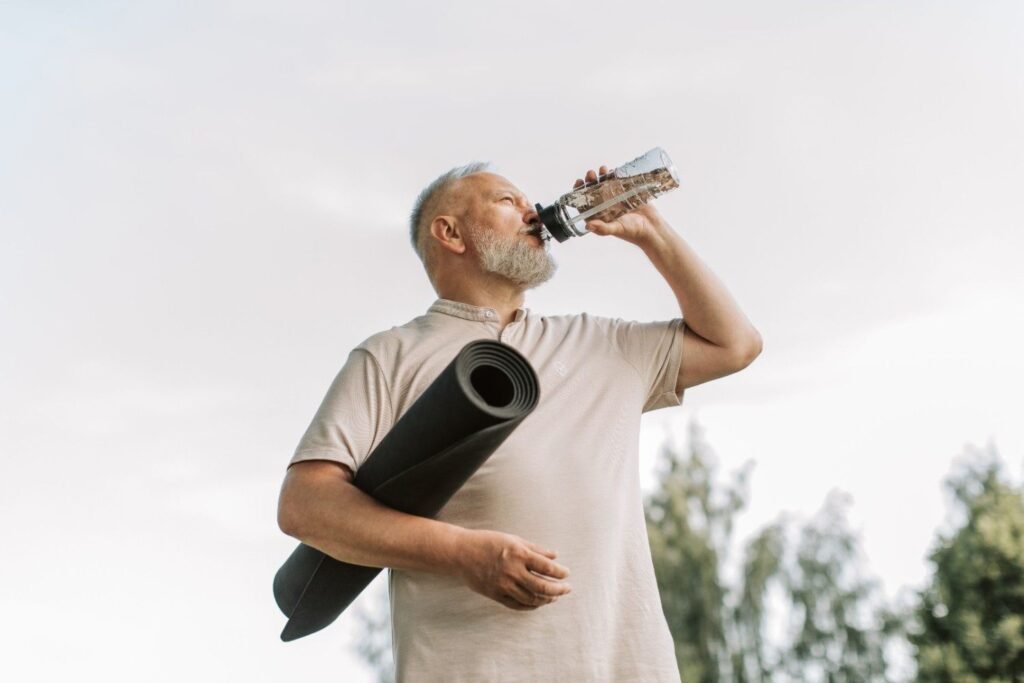
- Drink enough water, and keep sugary drinks rare.
- Get some sunlight (safely) for vitamin D and mood.
- Brush and floss. Gum disease is linked to heart problems.
- Practice gratitude. A short nightly note of three good things improves wellbeing.
- Limit sitting time. Long, uninterrupted sitting is a health risk independent of exercise.
- Laugh often. It’s free and strangely effective.
Myths About Longevity to Ignore
- “It’s all genetics.” Genes matter, but lifestyle often outweighs them, especially for chronic diseases.
- “You need expensive supplements.” Most people do better investing in food, sleep, and movement. Supplements only help when you have an actual gap.
- “It’s too late to change.” Studies show benefits from improving habits at any age, including in your 70s.
- “Anti-aging clinics have a secret.” Be skeptical of costly treatments with dramatic claims and little evidence.
How to Build a Longevity Lifestyle Without Burning Out
Reading ten habits can feel like a giant to-do list. Don’t try to overhaul everything at once. A better approach:
- Pick one or two habits that feel doable this month, like a daily walk and a fixed bedtime.
- Make them tiny. Walk for 10 minutes, not an hour.
- Anchor them to something you already do, like stretching after brushing your teeth.
- Track lightly, with a calendar tick or a habit app.
- Celebrate consistency, not perfection. Missing a day isn’t failure; missing three in a row is a signal to restart.
- Add a new habit only after the first feels automatic.
Think of it like compound interest. A small deposit every day grows into something remarkable over years.
Final Thoughts
You can’t control everything about how you age, but you can influence far more than most people believe. Move often, lift something heavy, eat mostly real food, sleep well, stay connected, manage stress, find your purpose, skip tobacco, see your doctor, and keep your mind curious.
The goal isn’t to live forever. It’s to enjoy the years you have, with energy, independence, and joy. Start with one habit today, and let the rest follow.
Disclaimer: This article is for general information only and doesn’t replace professional medical advice.