Nutrition
Fermented Foods: 12 Best Foods for Gut Health and the Gut Microbiome
Fermented Foods: Your gut is home to trillions of bacteria, fungi, and other microbes. Together they’re called the gut microbiome, and scientists are increasingly convinced they influence far more than digestion. They’re linked to immune function, inflammation, metabolism, and possibly even mood.
So how do you look after this crowded little ecosystem? Fiber helps, variety helps, and so does a group of foods humans have eaten for thousands of years: fermented foods. From your grandmother’s curd to Korean kimchi, fermentation is one of the oldest ways to preserve food, and one of the tastiest ways to support gut health.
In this guide we’ll cover what fermented foods are, what the science actually says, the 12 best options, and how to add them to your meals without upsetting your stomach.
What Are Fermented Foods?
Fermentation is a process in which microorganisms, mainly bacteria and yeasts, break down sugars and other compounds in food. This transformation creates tangy flavors, changes textures, and often produces beneficial compounds like organic acids, vitamins, and, in many cases, live microbes.
Not every fermented food contains live probiotics by the time it reaches you. Heat treatment, pasteurization, or baking can kill the microbes. That doesn’t make those foods bad, since fermentation can still improve digestibility and flavor, but if you want live cultures, you need to read labels. Look for phrases like “live and active cultures,” “unpasteurized,” or “raw” on products like yogurt, sauerkraut, and kombucha.
What Does the Science Say?
Here’s the honest, balanced version. A well-known 2021 Stanford study published in the journal Cell randomly assigned healthy adults to eat either a high-fiber diet or a high-fermented-food diet for ten weeks. The fermented food group increased their microbiome diversity, and their blood showed reduced levels of several inflammatory markers. Greater microbial diversity is generally considered a marker of a healthier gut. You can read the summary at Stanford Medicine.
Other research links fermented dairy like yogurt with lower risks of type 2 diabetes and better weight management, and some studies suggest probiotics can ease certain digestive issues like antibiotic-associated diarrhea and some symptoms of irritable bowel syndrome.
But there are caveats:
- Many studies are small or short-term.
- Effects can vary by strain, food, and person.
- Fermented foods aren’t a cure-all, and they work best alongside a fiber-rich, varied diet.
Think of them as a helpful tool, not a miracle.
Fermented Foods vs Probiotic Supplements
Probiotic supplements get plenty of attention, but food has advantages: it gives you a mix of microbes along with protein, fiber, vitamins, and other nutrients, usually for less money. Supplements can help in specific situations under a doctor’s guidance, but for general gut health, start with food.
Another useful term is prebiotics: fibers that feed your good bacteria, found in onions, garlic, bananas, oats, lentils, and asparagus. Pairing probiotics with prebiotics is a classic combo, sometimes called “synbiotic” eating. For example, curd with sliced banana and oats makes a gut-friendly breakfast.
The 12 Best Fermented Foods for Gut Health
1. Yogurt (Curd or Dahi)
The most familiar fermented food in many homes. Yogurt is made by fermenting milk with bacteria like Lactobacillus bulgaricus and Streptococcus thermophilus. It provides protein, calcium, and often B vitamins.
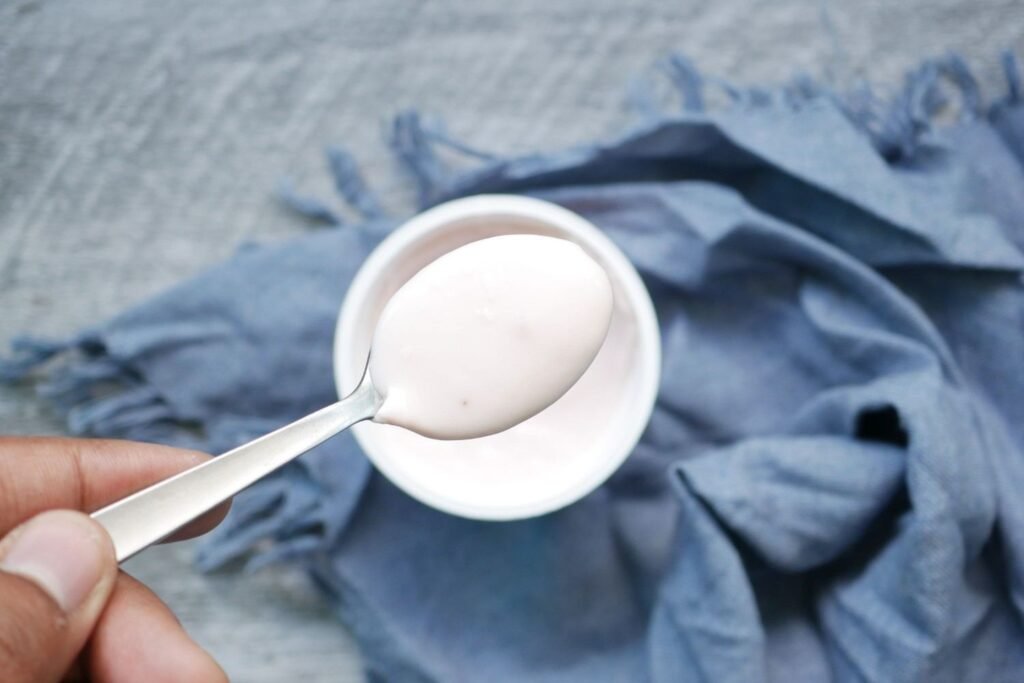
Tips:
- Choose plain, unsweetened versions. Flavored yogurts can be loaded with sugar.
- Look for “live and active cultures.”
- Homemade dahi is a great option; just a spoonful of yesterday’s curd inoculates fresh warm milk.
- Greek yogurt is thicker and higher in protein.
2. Kefir
Kefir is a tangy, drinkable fermented milk made with “grains,” which are actually colonies of bacteria and yeasts. It’s usually more diverse in microbial strains than yogurt, sometimes containing dozens of species.
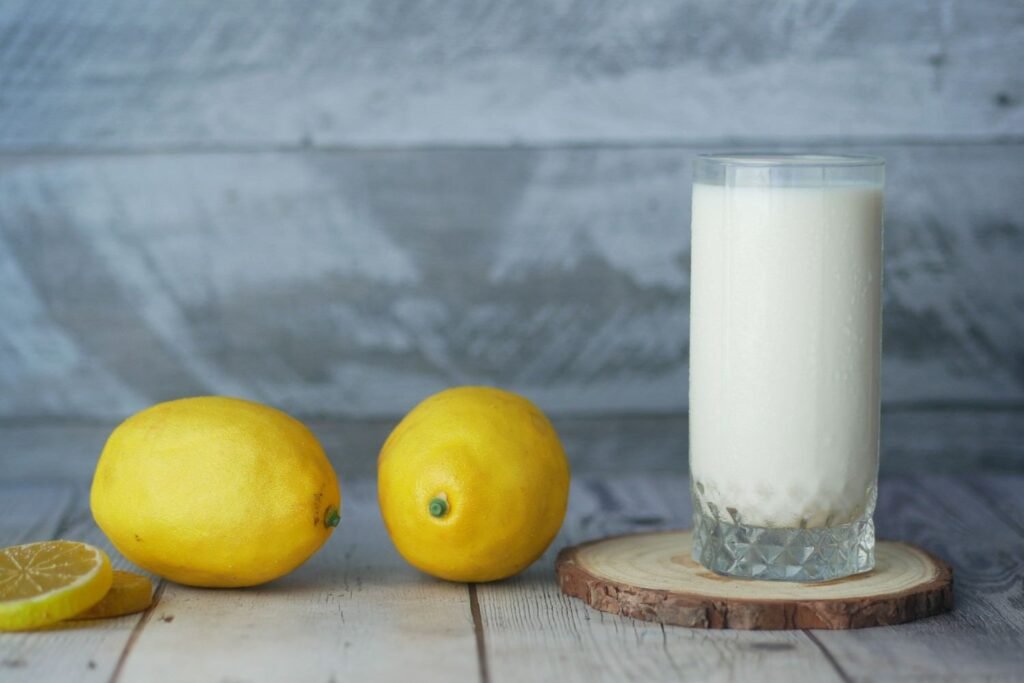
Tips:
- Start with a small glass (about 100 ml) to see how your body reacts.
- Water kefir is a dairy-free alternative.
- Blend it into smoothies or use it over muesli.
3. Sauerkraut
Finely shredded cabbage fermented in its own brine with salt. Raw, unpasteurized sauerkraut contains live lactic acid bacteria, plus fiber and vitamin C.
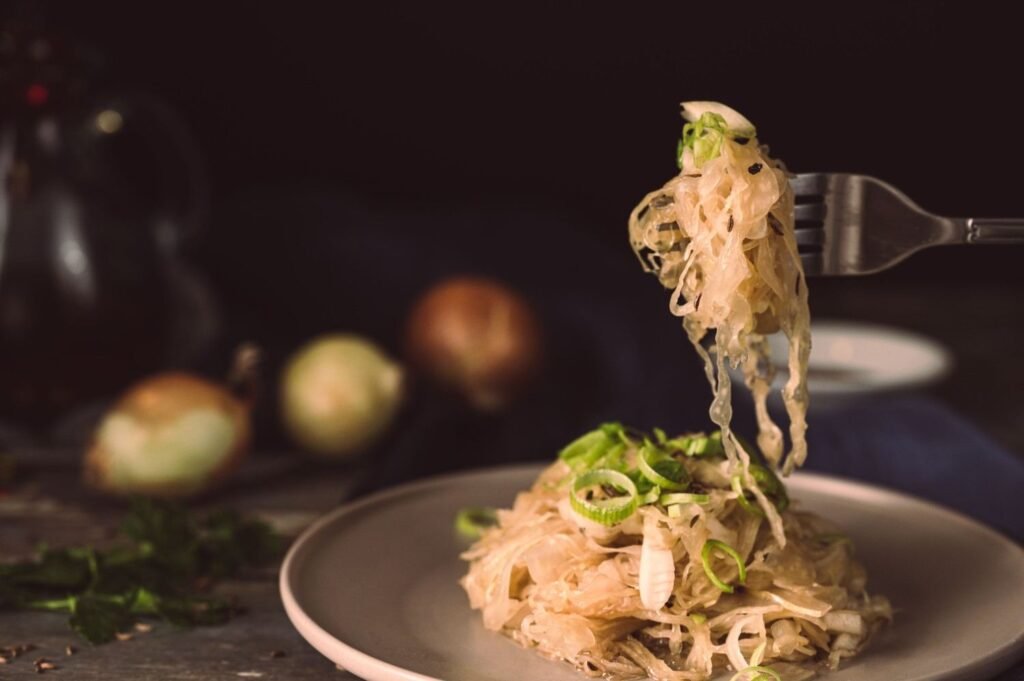
Tips:
- Buy from the refrigerated section, since shelf-stable jars are often pasteurized and lack live cultures.
- Eat it cold or at room temperature, because cooking kills the microbes.
- It’s salty, so keep portions reasonable, especially if you’re watching sodium.
4. Kimchi
Korea’s spicy, garlicky fermented vegetable dish, usually made with napa cabbage, radish, chili, ginger, and garlic. It’s packed with flavor and fiber, and research suggests it may support gut and metabolic health.
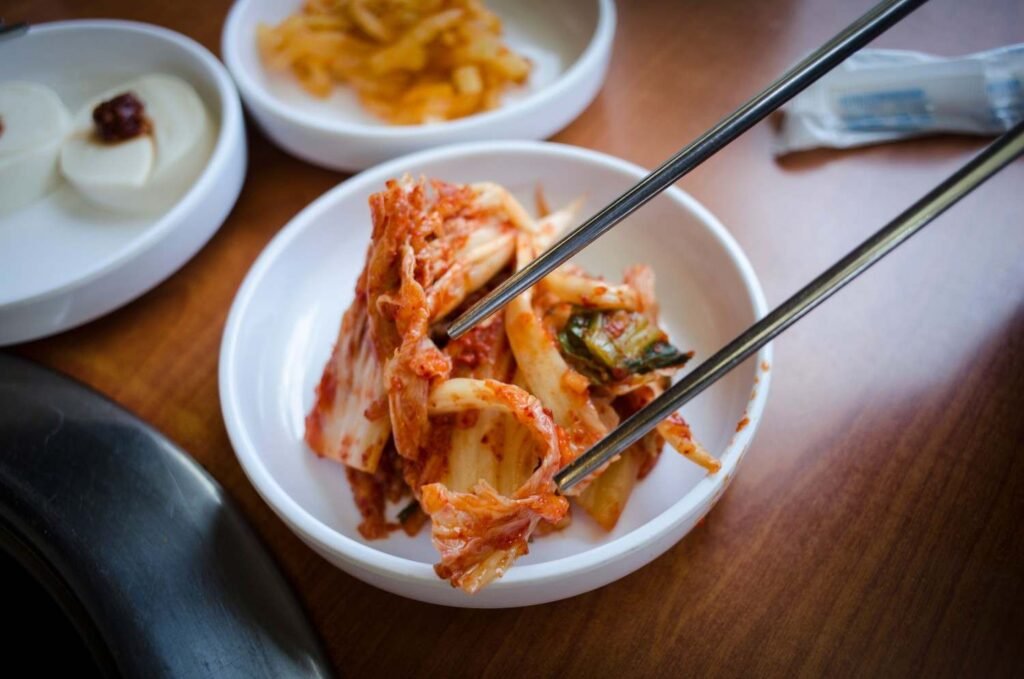
Tips:
- Add it to rice bowls, eggs, noodles, or sandwiches.
- Check labels if you avoid fish sauce or shrimp paste; vegan versions exist.
- Spicy versions might irritate sensitive stomachs, so go slow.
5. Kombucha
A lightly fizzy fermented tea made with a SCOBY (symbiotic culture of bacteria and yeast). It’s popular, refreshing, and contains small amounts of organic acids and live cultures.

Tips:
- Watch the sugar. Some bottled versions have as much as soft drinks.
- It naturally contains trace alcohol, usually below 0.5 percent in commercial products, and a bit more in homemade batches.
- Stick to a small glass a day; more isn’t better.
- Homebrewing carries a contamination risk if you’re not careful with hygiene.
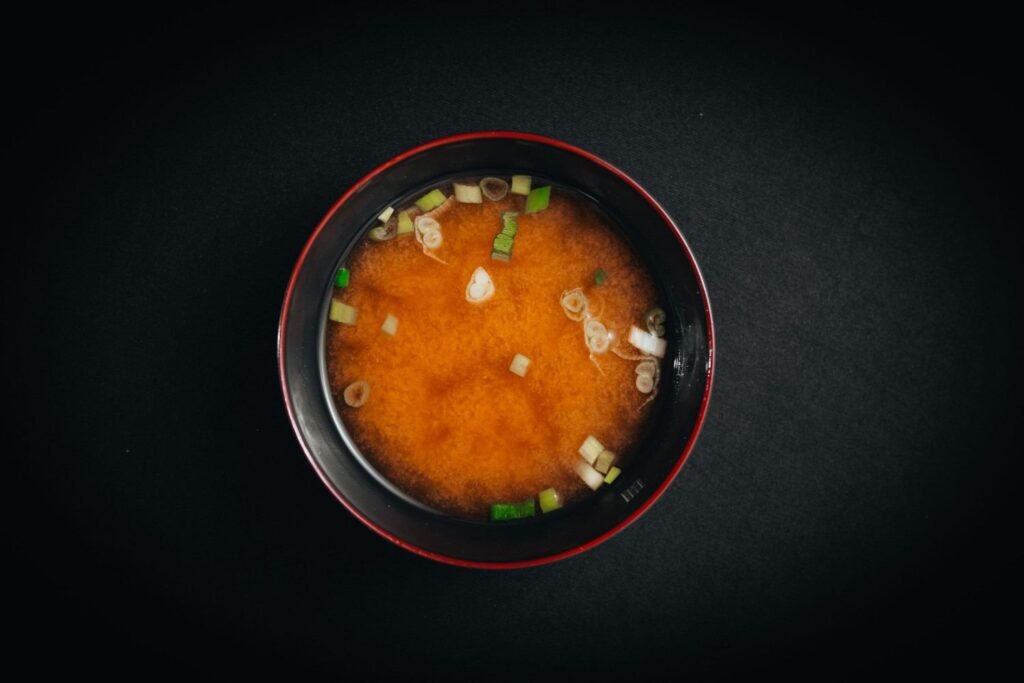
6. Miso
A Japanese paste made from fermented soybeans, often with rice or barley and a koji mold. A spoonful makes a savory, umami-rich soup in minutes.
Tips:
- Add miso to warm, not boiling, water. Boiling kills the live cultures.
- It’s high in sodium, so use sparingly.
- Whisk it into salad dressings, marinades, or glazes.
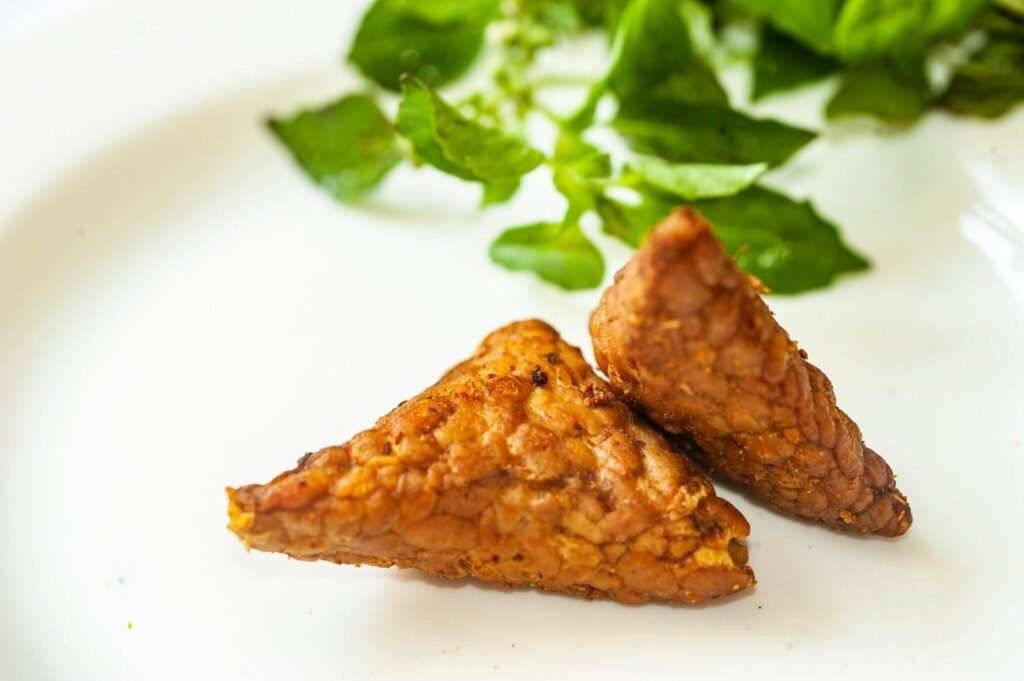
7. Tempeh
A firm, nutty cake made from fermented soybeans bound by a mold culture (Rhizopus). It’s an excellent plant-based protein and also provides fiber and minerals. Fermentation also reduces compounds that interfere with mineral absorption.
Tips:
- Steam it for a few minutes first to soften any bitterness, then pan-fry, bake, or crumble into curries.
- Cooking reduces live microbes, but the food remains nutritious and easier to digest.
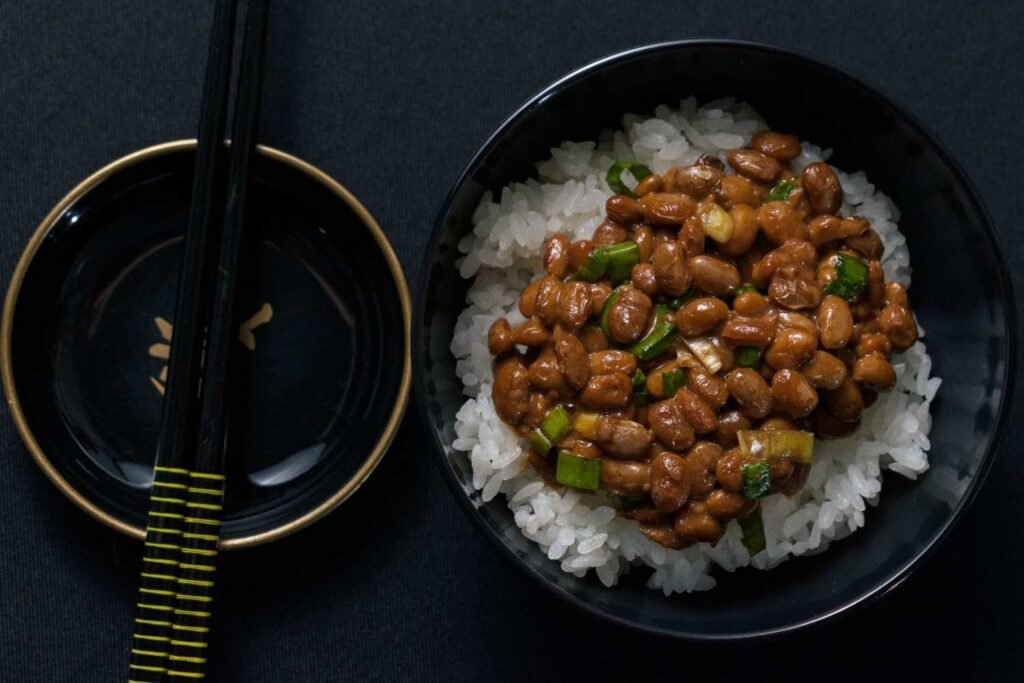
8. Natto
Another soy-based Japanese staple, with a strong smell, sticky strings, and an acquired taste. Natto is rich in vitamin K2, protein, and an enzyme called nattokinase. It’s studied for bone and heart health.
Tips:
- Mix it with soy sauce or mustard, and eat over rice.
- If you take blood thinners like warfarin, talk to your doctor first, because the high vitamin K content can interfere.
9. Traditional Buttermilk (Chaas or Lassi)
If you grew up in India, you likely already know this one. Chaas, made by churning curd and thinning it with water and spices like cumin, mint, and curry leaves, is light, cooling, and easy to digest. It provides probiotics and hydration with very little fat.

Tips:
- A glass after lunch is a classic habit with good reason.
- Choose homemade or unsweetened versions over sugary packaged lassi.
- Add a pinch of roasted cumin or ginger for extra flavor.
10. Brine-Fermented Pickles
Traditional pickles fermented in salt water (not vinegar) develop live lactic acid bacteria. Many store-bought pickles are made with vinegar, which gives tang but no probiotics.
Tips:
- Look for “naturally fermented” or “lacto-fermented” on the label, or make your own with cucumbers, carrots, or radishes.
- Traditional homemade Indian pickles (achar) vary widely; some are oil- and spice-preserved rather than truly fermented, and many are high in salt, so enjoy them in small amounts.
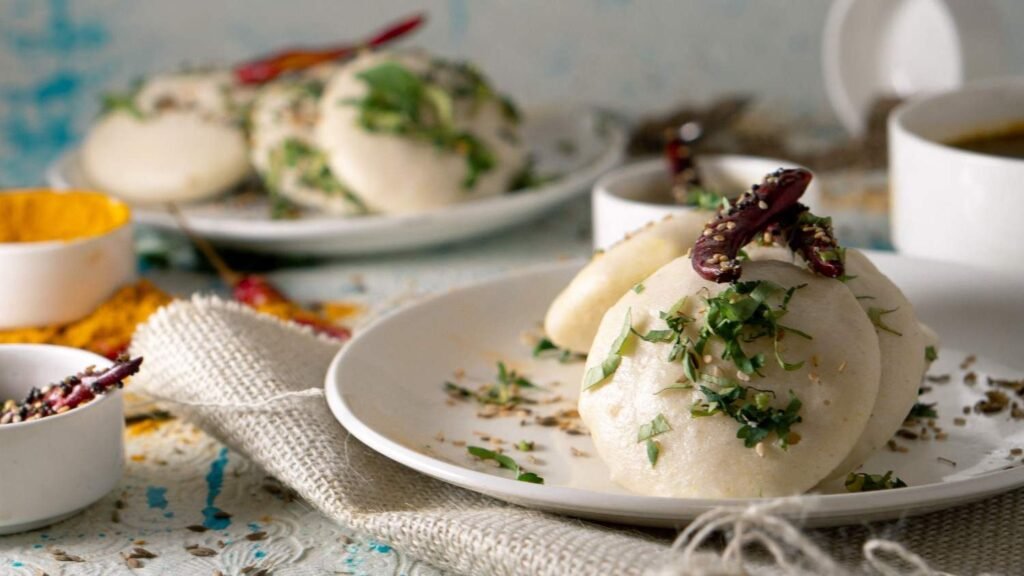
11. Idli and Dosa Batter
A South Indian staple that’s quietly one of the best everyday fermented foods. The rice and urad dal batter ferments overnight thanks to naturally occurring lactic acid bacteria and yeasts, creating light, fluffy idlis and crisp dosas. Fermentation makes nutrients like B vitamins more available and the food easier to digest.
Tips:
- Steamed idlis are a lighter option than fried foods.
- Serve with sambar and vegetables for fiber and protein.
- Cooking kills most live microbes, but you still benefit from the fermentation process and the easier digestion.
12. Aged Cheeses and Other Fermented Dairy
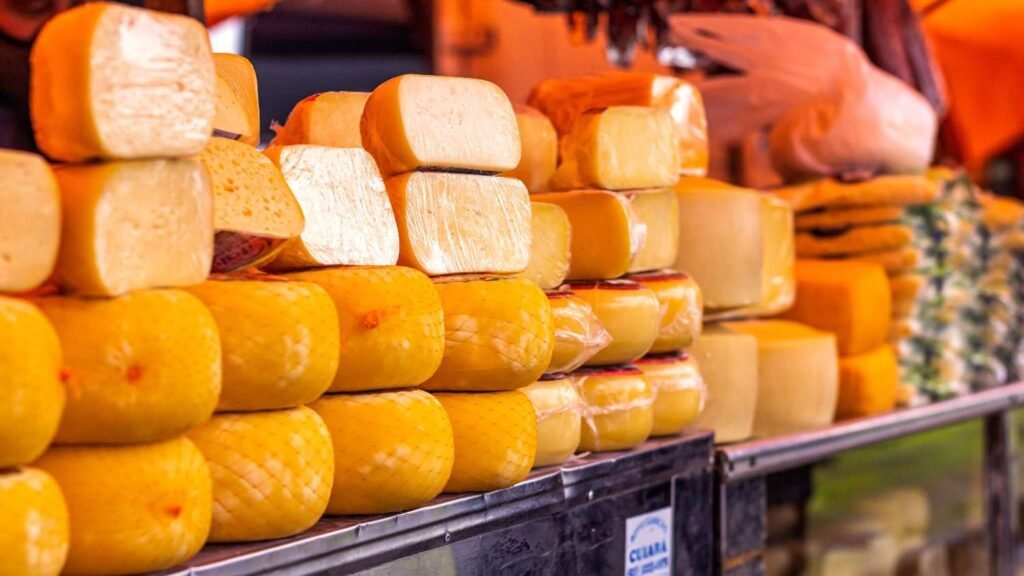
Some cheeses, like cheddar, gouda, and certain aged varieties, contain live bacteria if they haven’t been heat-treated after aging, along with protein and calcium. The microbial content varies a lot, so don’t count on cheese as your main probiotic source, but it can be a nice complement. If you’ve ever wondered about the process, check out our recipe on how to make cheese at home.
Tips:
- Enjoy in moderation, since cheese can be high in saturated fat and sodium.
- Fresh cheeses like paneer are acid-set, not fermented, so they don’t count as probiotic foods but are still good sources of protein.
What About Sourdough?
Sourdough bread uses a fermented starter, and the fermentation can improve flavor, digestibility, and mineral availability. But baking kills the live microbes, so sourdough isn’t a probiotic food. It’s still often a nicer choice than ultra-refined white bread.
How to Add Fermented Foods to Your Diet
If you’re new to fermented foods, don’t dive into six servings a day. Your gut needs time to adjust, and starting too fast can cause gas, bloating, or cramps.
A beginner-friendly approach:
- Start small: a few spoonfuls of yogurt, a small glass of chaas, or a forkful of kimchi daily.
- Increase gradually over two to three weeks.
- Mix it up: variety matters more than quantity. Different foods bring different microbes.
- Pair with fiber: vegetables, whole grains, legumes, fruits, and nuts feed the microbes you’re adding.
- Don’t cook live cultures. Add them at the end or eat them cold.
- Be consistent: the benefits tend to fade if you stop.
Sample Day of Gut-Friendly Eating
- Breakfast: Plain curd with oats, banana, and chopped nuts
- Lunch: Dal, brown rice, vegetables, and a glass of chaas
- Snack: A small portion of homemade pickled carrots or radish
- Dinner: Idlis with sambar, or a stir-fry with tempeh and a spoon of kimchi on the side
Who Should Be Careful?
Fermented foods are safe for most people, but there are exceptions:
- Weakened immune systems: People undergoing chemotherapy, with certain immune disorders, or who are severely ill should talk to a doctor first, as live microbes carry a small infection risk.
- Histamine intolerance: Fermented foods are naturally high in histamine and can trigger headaches or flushing.
- IBS or SIBO: Some people with sensitive guts feel worse. Try small amounts or low-FODMAP options and consult a specialist.
- High blood pressure or kidney disease: Watch the sodium in pickles, miso, kimchi, and sauerkraut.
- Pregnancy: Pasteurized dairy is fine, but check with your doctor about unpasteurized products and certain soft cheeses.
- MAOIs and certain medications: Aged and fermented foods contain tyramine, which can interact with some drugs.
If you’re unsure, a quick chat with your doctor or a registered dietitian will sort it out.
Safety Tips for Homemade Fermentation
Making your own sauerkraut or curd is fun and cheap, but follow basic safety practices:
- Use clean jars and utensils.
- Keep vegetables submerged under brine to prevent mold.
- Use the right salt ratios (usually around 2 percent salt by weight for vegetable ferments).
- Discard anything with fuzzy mold, off smells, or slimy textures that seem wrong. When in doubt, throw it out.
- Store finished ferments in the fridge to slow fermentation.
The USDA’s food safety resources are a helpful reference for general safe-handling practices.
Beyond Fermented Foods: Other Ways to Support Your Gut
Fermented foods are just one piece of the puzzle. For a healthy microbiome, also consider:
- Eating a wide range of plants. Some researchers suggest aiming for 30 different plant foods a week, including vegetables, fruits, grains, legumes, nuts, seeds, herbs, and spices.
- Getting enough fiber. Most adults need around 25 to 38 grams a day, and many get far less.
- Limiting ultra-processed foods and excess sugar.
- Managing stress, since the gut and brain are in constant communication.
- Sleeping well and exercising regularly.
- Using antibiotics only when necessary.
These lifestyle pillars overlap with the habits we describe in our longevity lifestyle guide.
Common Myths About Fermented Foods
- “All pickles are probiotic.” Only brine-fermented, unpasteurized ones are.
- “More is always better.” Too much can cause digestive discomfort. Moderation and variety win.
- “Probiotics colonize your gut permanently.” Most transient microbes pass through, which is why regular intake matters.
- “Fermented foods cure disease.” They support health but don’t replace medical care.
Final Thoughts
You don’t need exotic ingredients or expensive supplements to look after your gut. A bowl of curd, a glass of chaas, a plate of idlis, or a spoonful of kimchi might be all it takes to start nudging your microbiome in a friendlier direction. Start small, stay consistent, eat plenty of fiber, and pay attention to how your body responds.
Good gut health is a slow, steady project, and thankfully, it’s a delicious one.
Disclaimer: This article is for informational purposes and isn’t a substitute for professional medical or nutritional advice.