Nutrition
GLP-1 Nutrition Support
What to Eat on Ozempic, Wegovy & Mounjaro to Protect Muscle and Avoid Deficiencies
Published on GuideBlogs | Health & Wellness | Nutrition
A friend of mine started Mounjaro seven months ago. The weight came off fast — almost too fast. But three months in, she messaged me sounding worried, not excited. She’d lost 18 kilos, sure. But she was also constantly tired, her hair had started shedding, and a routine blood test flagged low ferritin and low vitamin D. Her doctor’s response was blunt: “You’re not eating enough of the right things. The drug isn’t the problem. Your plate is.”
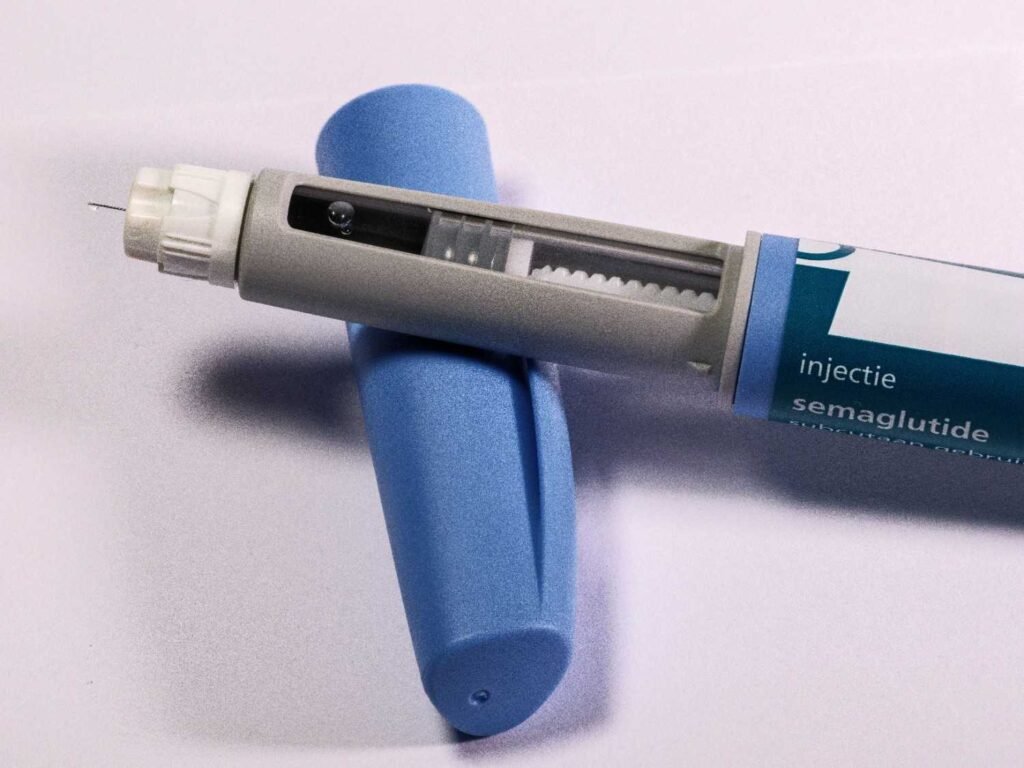
That conversation stuck with me, because it’s happening to millions of people right now. GLP-1 medications — semaglutide (Ozempic, Wegovy), tirzepatide (Mounjaro, Zepbound), and liraglutide (Saxenda) — have become the defining health trend of this decade. They work. People are losing real weight and seeing genuine improvements in blood sugar and cardiovascular risk. But there’s a quieter story running underneath the success headlines: these drugs suppress appetite so effectively that many people simply stop eating enough of the nutrients their bodies still need.

This isn’t a reason to fear GLP-1 therapy. It’s a reason to get smarter about what goes on your plate while you’re on it. Let’s get into the specifics — the muscle loss risk, the nutrients most likely to run low, and exactly how to structure your meals so the weight you lose is fat, not the muscle and strength you’ll want to keep for the rest of your life.
How GLP-1 Drugs Change the Way You Eat
GLP-1 receptor agonists work by mimicking a natural gut hormone that slows gastric emptying, reduces hunger signals, and increases the feeling of fullness after smaller meals. That’s the entire mechanism behind the weight loss — you simply eat less, often 20–30% less than before, without having to white-knuckle your way through hunger.
The problem is that appetite suppression doesn’t discriminate. It shrinks your intake of everything at once — protein, fiber, vitamins, minerals — even though your body’s actual requirement for these nutrients hasn’t dropped nearly as much as your appetite has. Add in the nausea, early fullness, and food aversions that many people experience, and you get a pattern where entire food groups quietly disappear from the diet over a few months without anyone noticing until a blood test or a mirror tells the story.
The Muscle Loss Problem Nobody Warns You About
Here’s the number that should be on every GLP-1 patient’s radar: research on people using semaglutide and tirzepatide shows that roughly 25–40% of total weight lost is lean tissue, not fat. Some studies looking at semaglutide specifically put the figure closer to 40%.
That matters more than it sounds like it should. Muscle isn’t just about how you look — it drives your resting metabolic rate, your strength, your balance, and your blood sugar regulation. Lose too much of it too fast, and you can end up “thin but weak,” with a slower metabolism that makes it harder to keep the weight off long-term and a higher risk of frailty as you age.
The encouraging part: this lean mass loss appears to be largely driven by rapid weight loss and inadequate protein and exercise, not by some unique toxic effect of the drug itself. In other words — it’s preventable, and it’s mostly in your hands.
The Protein Target That Actually Matters
General dietary guidelines recommend about 0.8g of protein per kilogram of body weight per day for the average adult. For anyone on a GLP-1 medication, that number is too low.
Clinical recommendations for people on GLP-1 therapy consistently land in the range of 1.2 to 1.6g of protein per kilogram of body weight per day — some guidance goes as high as 2g/kg for people doing regular resistance training. For a 70kg (154 lb) person, that’s roughly 84–112 grams of protein a day, spread across meals rather than loaded into one.
That distribution detail is easy to overlook but genuinely important. A common — and unhelpful — pattern looks like this: toast and coffee for breakfast, a small salad for lunch, and most of the day’s protein crammed into dinner. Restructuring toward something closer to 30 grams of protein at each of three meals tends to produce noticeably better muscle-preservation outcomes, even when total daily intake stays the same.
| Meal | Protein-Forward Option | Approx. Protein |
|---|---|---|
| Breakfast | Greek yogurt + eggs, or a protein shake | 25–30g |
| Lunch | Grilled chicken, paneer, or lentils with vegetables | 30g |
| Dinner | Fish, tofu, or dal with a whole grain | 25–30g |
| Snack (if hungry) | Cottage cheese, boiled eggs, roasted chana | 10–15g |
If you’re vegetarian, don’t worry — paneer, tofu, lentils, chana, and Greek yogurt can absolutely get you there; you’ll just need to be a bit more deliberate about hitting the target given smaller portion sizes.
Why Resistance Training Isn’t Optional Here
Diet alone can’t do this job. Research comparing GLP-1 users who did structured resistance training against those who didn’t found that strength training 2–3 times a week reduced lean mass loss by roughly 30–50% compared to doing no exercise at all — without slowing down fat loss. Walking and cardio are great for cardiovascular health and adherence, but they don’t protect muscle the way lifting does.
You don’t need a bodybuilder’s routine. Two to three sessions a week of compound movements — squats, lunges, push-ups, rows — using weights or resistance that genuinely challenge you is enough to make a measurable difference.
The Micronutrient Gaps Almost No One Talks About
Muscle loss gets the headlines, but a quieter problem is unfolding at the same time: micronutrient deficiency. A large US database study following over 460,000 adults on GLP-1 medications found that 12.7% were newly diagnosed with a nutritional deficiency within 6 months, and that number climbed to 22% by 12 months — with vitamin D deficiency the most common finding.
The nutrients that come up again and again in the research are:
Vitamin D and calcium — already commonly low in people with obesity even before starting treatment, and further squeezed by reduced dairy and fortified food intake.
Iron — some research has found GLP-1 users showing ferritin levels 26–30% lower than before treatment, largely because meat and iron-rich foods are often among the first things people cut back on when appetite drops.
Vitamin B12 — reduced intake of animal foods, combined in some cases with the medication itself, has been linked to falling B12 levels. This one deserves real attention, since severe, prolonged B12 deficiency can cause nerve damage that doesn’t fully reverse.
Magnesium and potassium — both essential for muscle function and heart rhythm, and both easy to under-consume when portions shrink across the board.
Fiber — smaller meals often mean less fiber, which can quietly worsen the constipation many people already experience on these medications.
Here’s the reassuring context: GLP-1 medications don’t cause malabsorption. Your gut can still absorb these nutrients perfectly well — the issue is almost entirely about not eating enough of the foods that contain them in the first place. That makes this a genuinely fixable problem.
Building a GLP-1-Friendly Plate
Given how little room smaller meals leave for error, every bite needs to work harder. A practical structure looks like this:
Protein first. Put the protein source on your plate before anything else, and eat it first if nausea is limiting how much you can finish. Fish, eggs, poultry, Greek yogurt, tofu, paneer, and lentils are all excellent, easy-to-tolerate choices.
Iron-rich foods, paired smart. Lean red meat, poultry, lentils, chickpeas, and pumpkin seeds are strong iron sources. Pairing them with a vitamin-C-rich food — a squeeze of lemon, a side of bell pepper, an orange — meaningfully improves how much iron your body actually absorbs.
Calcium and vitamin D together. Fortified milk, curd, eggs, and mushrooms cover both bases at once. If your diet is largely dairy-free, this is one area worth discussing supplementation with your doctor.
Fiber, gently. Cooked vegetables, oats, chia seeds, and fruit are generally better tolerated than raw, high-volume salads when your stomach is already sensitive — and they help keep digestion moving.
Fats and sugar, in moderation. High-fat and high-sugar foods are among the most common triggers for the nausea, reflux, and discomfort associated with GLP-1 therapy. It’s not about eliminating them — it’s about not stacking them on top of an already sensitive stomach.
Managing the Nausea Without Sacrificing Nutrition
Somewhere between 20–50% of people on GLP-1 medications experience nausea or vomiting at some point during treatment, and it’s the single biggest reason people end up under-eating the nutrients they need. A few habits genuinely help:
- Eat smaller, more frequent meals rather than three large ones
- Eat slowly, and stop at the very first sign of fullness — the fullness signal on these medications tends to lag behind, so overshooting is easy
- Stay upright for at least 30 minutes after eating
- Avoid fried, greasy, or very sugary foods, which tend to be the biggest nausea triggers
- Keep water intake steady throughout the day — dehydration tends to make nausea worse and constipation more likely
If nausea is persistent enough that you’re consistently unable to eat, that’s worth flagging to your prescribing doctor rather than pushing through silently. Dose adjustments are common and often solve the problem.
Should You Take Supplements?
For most people, food should do the heavy lifting — but GLP-1 therapy is one of the situations where a baseline multivitamin genuinely earns its place, particularly given how easy it is to fall short across several nutrients at once without realizing it.
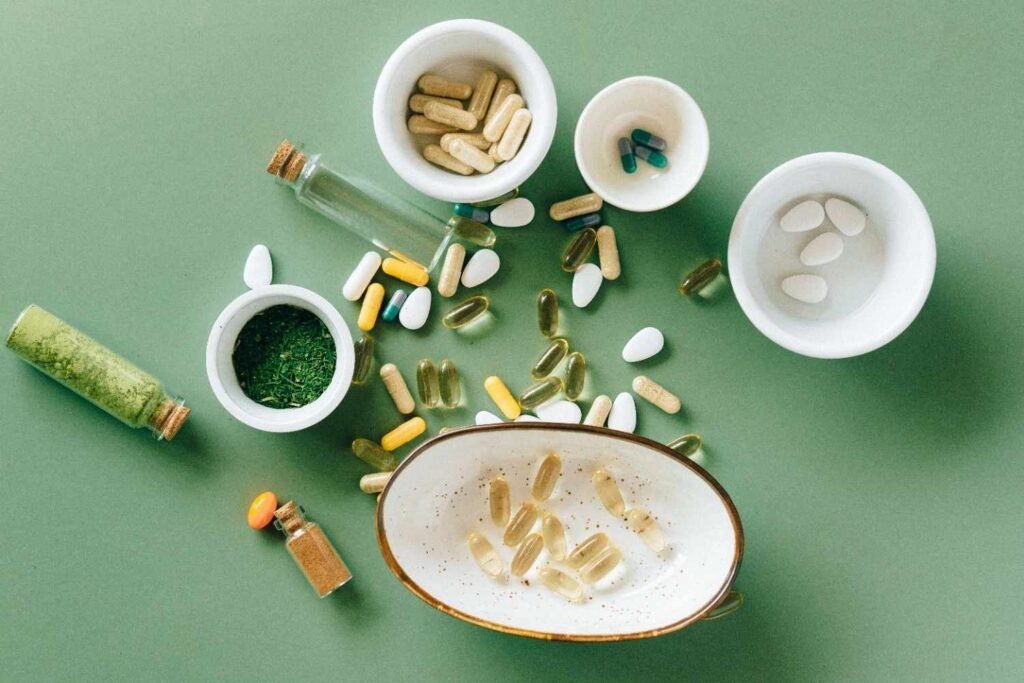
A reasonable, commonly suggested approach:
- A daily multivitamin/mineral supplement covering iron, zinc, copper, B12, and folic acid as a practical safety net
- Protein supplementation (whey or a plant-based option like pea protein) on days when food intake alone won’t hit your target
- Vitamin D3 if your diet is low in fortified foods and sun exposure is limited
- Iron, specifically in the bisglycinate form if supplementing, since it tends to cause fewer digestive side effects than standard iron sulfate — useful when your stomach is already sensitive
None of this should replace a conversation with your doctor or a dietitian. Bloodwork every 3–6 months — checking ferritin, vitamin D, B12, and basic metabolic markers — is a smart, low-effort way to catch a gap before it becomes a symptom.
The Bigger Picture
GLP-1 medications are a genuine medical breakthrough, and none of this is an argument against using them. But the data is clear that the drug and the fork are working on the same project, and one without the other leaves gaps. Muscle loss and nutrient deficiency on these medications aren’t inevitable side effects you have to accept — they’re largely the predictable result of eating a lot less, of everything, for months at a time.
The fix isn’t complicated, even if it takes intention: prioritize protein at every meal, don’t skip resistance training, keep an eye on the handful of nutrients that reliably run low, and get bloodwork done rather than guessing. Do that, and you give yourself the best version of what these medications were designed to do — losing fat while keeping the strength, energy, and health that actually make the number on the scale worth something.
Frequently Asked Questions
Will I definitely lose muscle on a GLP-1 medication? Not necessarily. Some lean mass loss is common because it tends to track with how much total weight you lose, but the degree of it is heavily influenced by how much protein you eat and whether you’re strength training. People who do both consistently lose a noticeably smaller share of lean mass than people who do neither.
How do I know if I’m eating enough protein when I have almost no appetite? Track it for a few days using a simple food app, even loosely. Most people are surprised how far short of 90–100g a day they fall once appetite drops. Prioritizing protein at the start of each meal, and leaning on easy-to-tolerate sources like yogurt, eggs, and protein shakes, makes the target far more realistic.
Is it normal to lose interest in meat or heavier foods? Yes, food preferences commonly shift toward blander, smaller meals on these medications. It doesn’t mean you have to avoid protein altogether — it usually means shifting toward gentler sources like eggs, dal, paneer, fish, or a protein shake rather than a large plate of red meat.
Do I need blood tests while on a GLP-1 medication? Most guidance suggests checking markers like ferritin, vitamin D, B12, and basic metabolic panels every 3–6 months, especially if you’re losing weight quickly or have a restricted diet. It’s a small step that catches deficiencies early, before they turn into symptoms like fatigue or hair thinning.
Can I take a multivitamin instead of tracking every single nutrient? A daily multivitamin covering iron, B12, zinc, and folic acid is a reasonable baseline safety net for most people on these medications, but it isn’t a substitute for prioritizing protein at meals or for bloodwork if you have symptoms. Think of it as a backstop, not the main strategy.
Disclaimer: This article is for informational purposes only and does not constitute medical advice. Anyone taking GLP-1 medications should work with their prescribing doctor or a registered dietitian to personalize protein targets, supplementation, and monitoring based on their individual health status.
Related Articles:
- Magnesium Glycinate: 7 Benefits, Dosage, Best Time to Take & Side Effects
- The Complete Guide to the DASH Diet
- 5 Essential Anti-Inflammatory Foods
- Top 25 Testosterone-Boosting Foods