Nutrition
Top 25 Testosterone-Boosting Foods
If your energy has been lower than usual, your gym progress has stalled, or you just don’t feel like yourself anymore — your diet might be the missing piece.
Testosterone isn’t just about muscle or masculinity. It’s the hormone that drives your energy, focus, mood, libido, and even bone density. And while age plays a role, what you eat every single day has a massive impact on how much of it your body actually produces.
The good news? You don’t need expensive supplements or hormone therapy to start. The right foods — eaten consistently — can genuinely move the needle.
Here are 25 of the best testosterone-boosting foods, what makes each one powerful, and how to actually use them in your daily life.
Why Food Matters for Testosterone
Before diving into the list, here’s the short science: testosterone is produced from cholesterol. It needs specific nutrients — zinc, vitamin D, magnesium, healthy fats, and antioxidants — to be synthesized and stay active in your body. If your diet is deficient in any of these, your levels take a hit.
Chronic inflammation, high sugar intake, and nutritional deficiencies are three of the biggest dietary suppressors of testosterone. Every food on this list directly counters one or more of those factors.
The Top 25 Testosterone-Boosting Foods
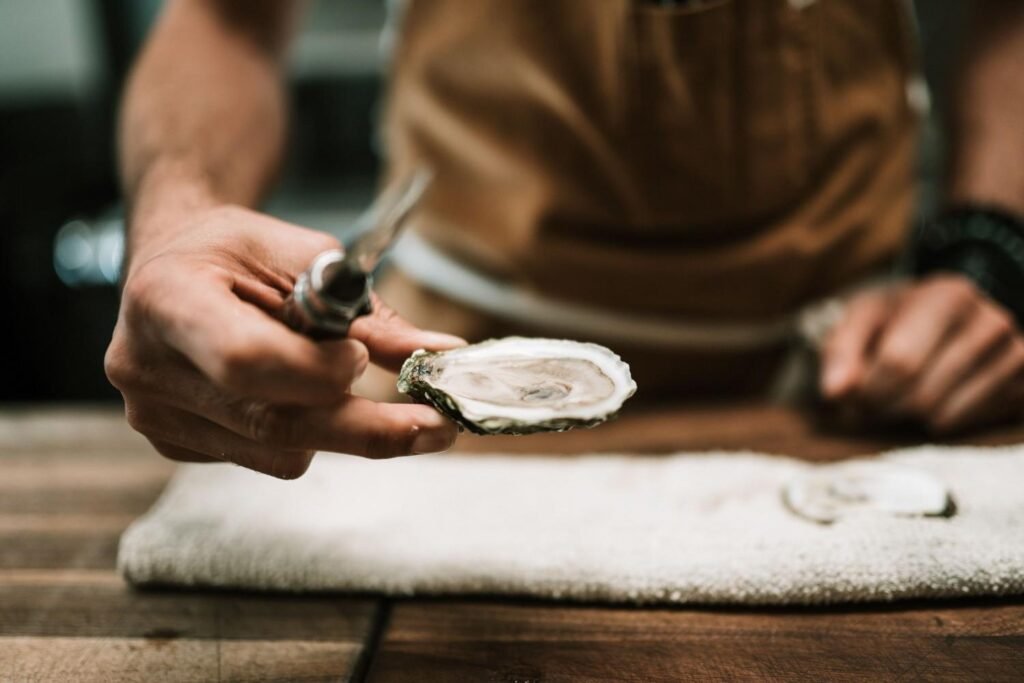
1. Oysters
Oysters are the undisputed king when it comes to zinc — a single serving can give you more than 4x your daily requirement. Zinc is directly involved in testosterone synthesis and is one of the most common deficiencies in men with low T levels.
How to use it: Fresh oysters are ideal, but canned oysters in water are a budget-friendly option that’s just as effective nutritionally.
💡 Pro Tip: If you can’t stand oysters, canned oysters mixed into pasta or rice dishes taste nothing like raw — and they’re significantly cheaper.
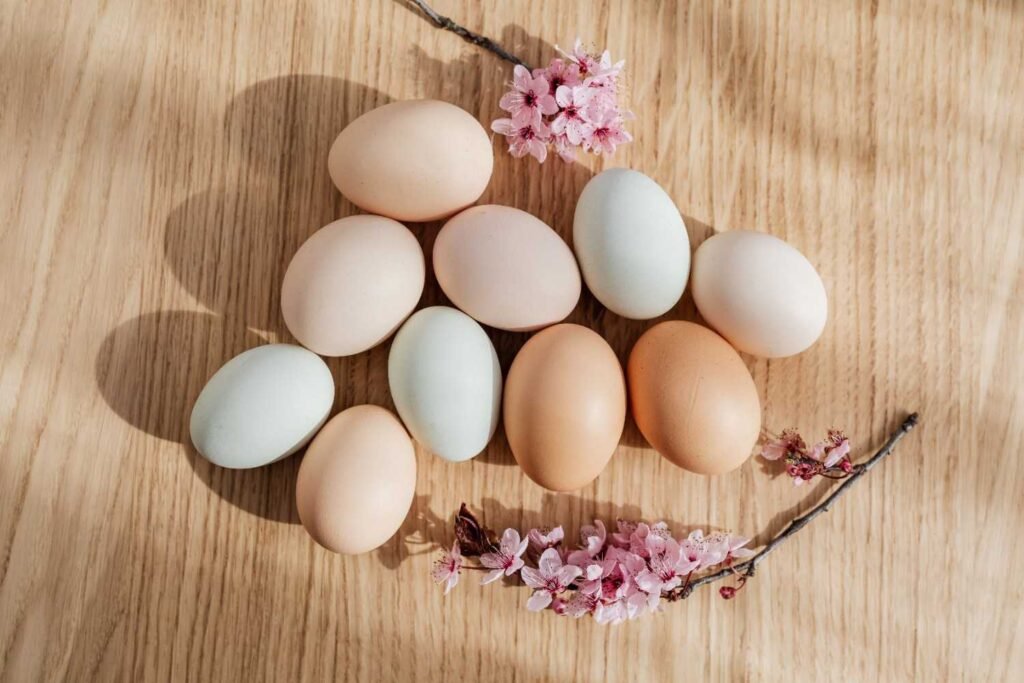
2. Eggs (Especially the Yolk)
The whole egg — yolk included — is one of the most complete testosterone-supporting foods available. The yolk contains cholesterol (the raw material for T production), vitamin D, and healthy saturated fats. Egg whites alone won’t cut it here.
How to use it: 2–3 whole eggs for breakfast, scrambled with vegetables. Don’t skip the yolk.
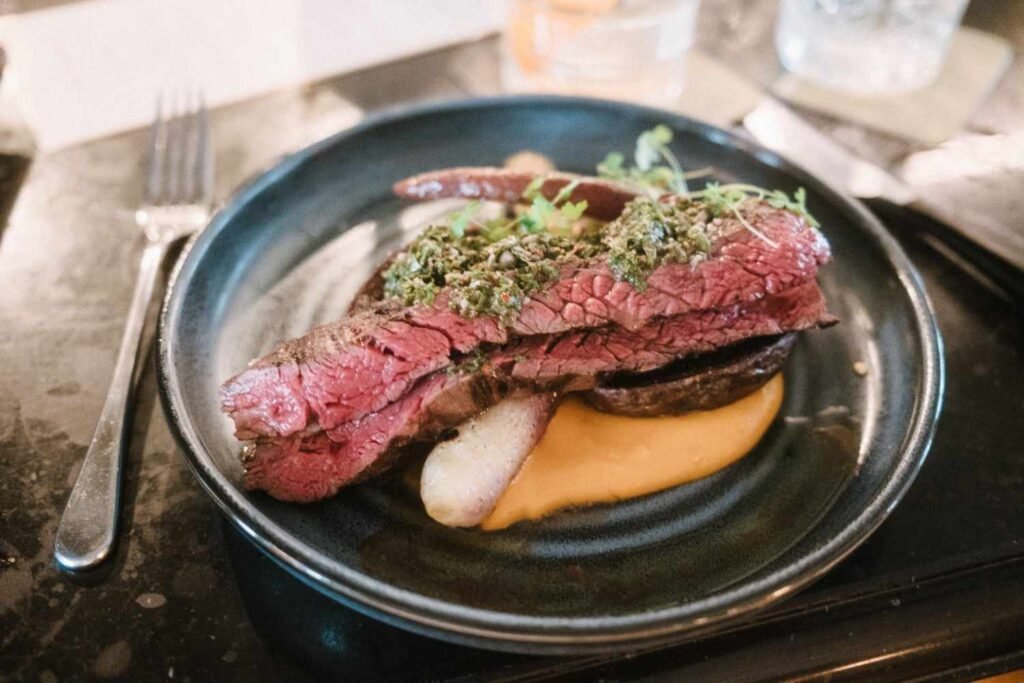
3. Beef (Grass-Fed)
Grass-fed beef is rich in zinc, saturated fats, and conjugated linoleic acid (CLA) — all of which support testosterone production. It also contains vitamin B6 and iron, which support overall hormonal health.
How to use it: 2–3 times a week. Lean cuts like sirloin or ground beef work well. Grass-fed is worth the extra cost if it’s in your budget.
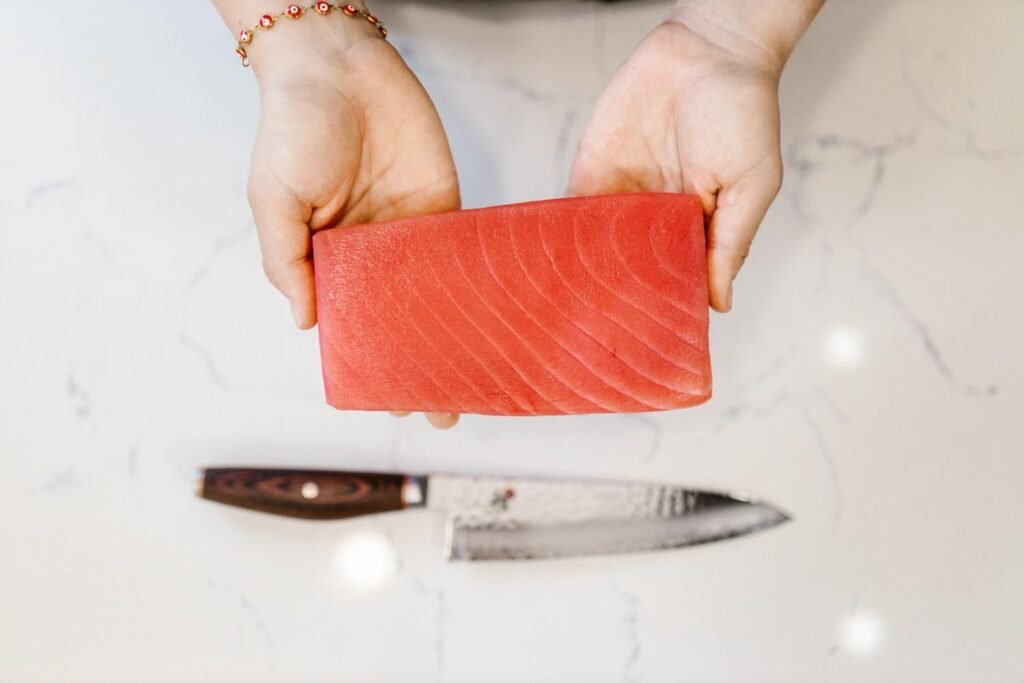
4. Tuna
Tuna is one of the best food sources of vitamin D — a nutrient that functions almost like a hormone in the body and is directly linked to testosterone levels in multiple studies. One can of tuna can provide close to 100% of your daily vitamin D needs.
How to use it: Tuna salad for lunch, tuna rice bowls, or simply straight from the can with some lemon juice.
⚠️ Note: Limit to 2–3 servings per week due to mercury content. Canned light tuna has lower mercury than albacore.
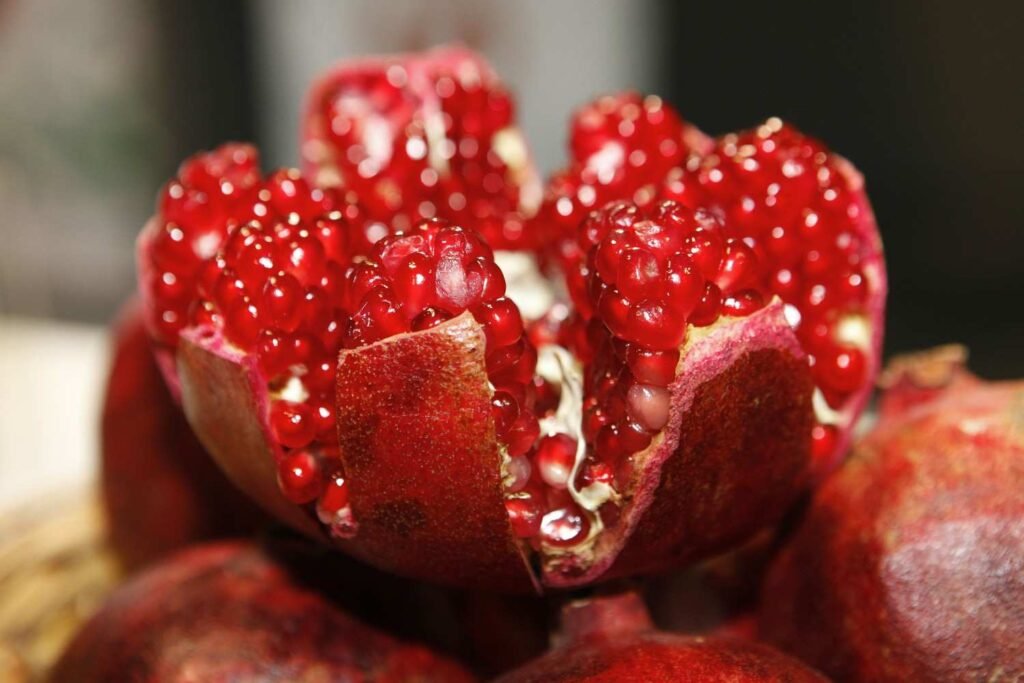
5. Pomegranate
This one surprises people. Pomegranate is a powerful antioxidant that has been shown in research to reduce cortisol levels — and cortisol is testosterone’s direct enemy. High cortisol = low testosterone. Pomegranate also improves blood circulation, which matters more than most people realize for hormonal health.
How to use it: A glass of 100% pomegranate juice daily, or fresh seeds sprinkled on yogurt or oatmeal.
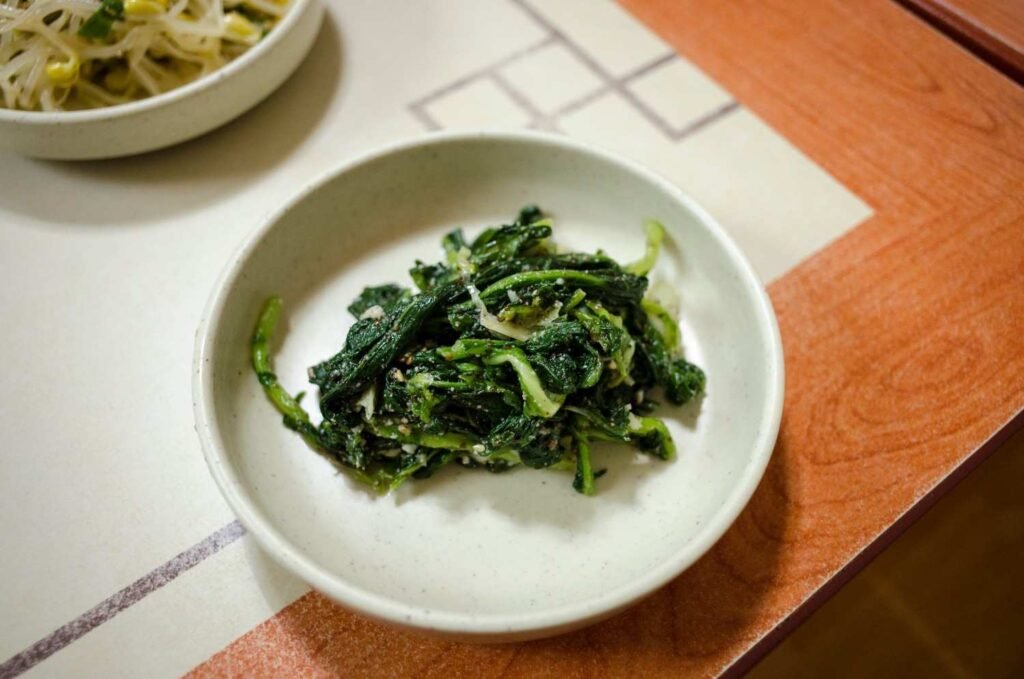
6. Spinach
Spinach is loaded with magnesium — a mineral that plays a critical role in keeping testosterone free and bioavailable in your bloodstream. Low magnesium is associated with significantly lower T levels in research studies.
How to use it: Raw in salads, sautéed with garlic as a side, or blended into a morning smoothie where you’ll barely taste it.
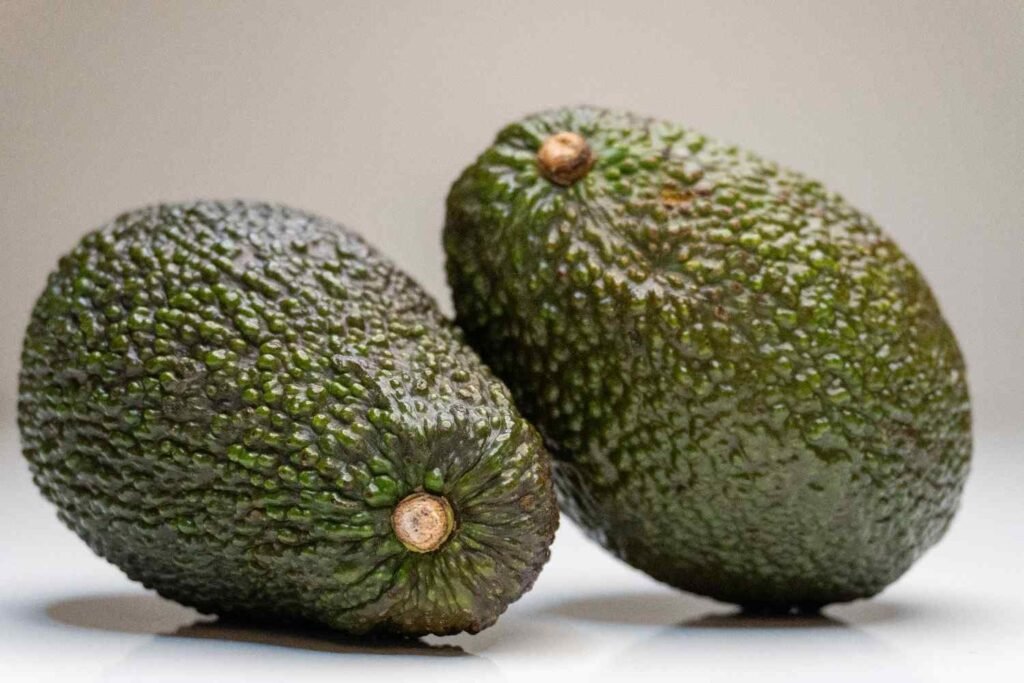
7. Avocado
Avocados are one of the best sources of healthy monounsaturated fats, which are essential for hormone production. They also contain boron — a trace mineral that has been shown in clinical studies to raise testosterone levels within just a few weeks of supplementation.
How to use it: Half an avocado daily. On toast, in salads, or blended into smoothies for a creamy texture.
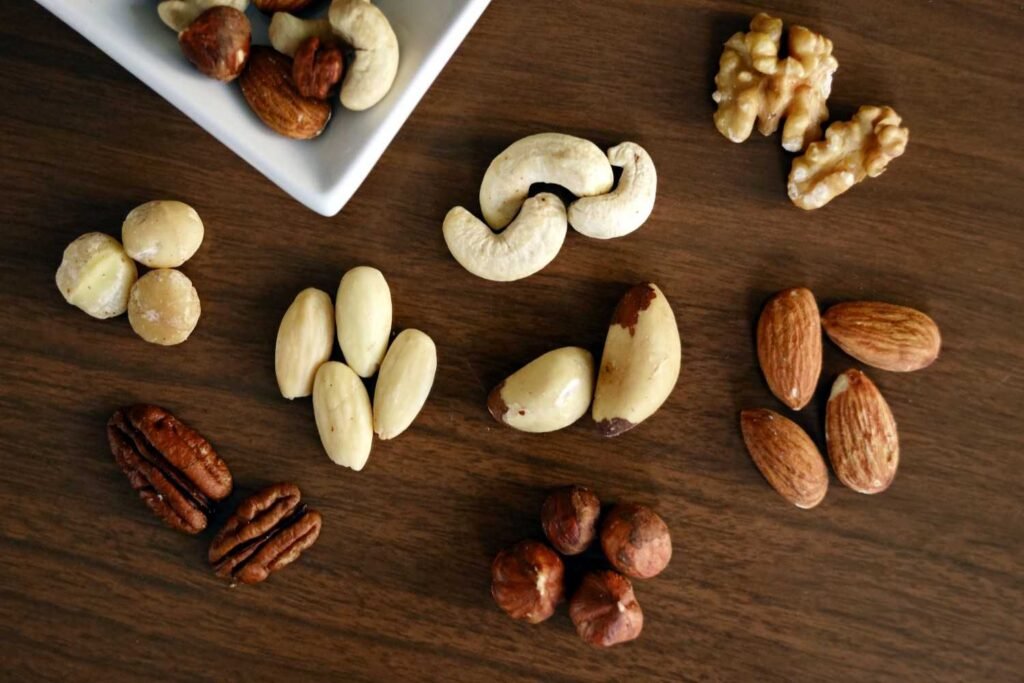
8. Brazil Nuts
Just 1–2 Brazil nuts per day gives you your full daily dose of selenium — a mineral that’s essential for testosterone production and sperm health. Selenium deficiency is surprisingly common and is strongly linked to low testosterone.
How to use it: Literally 1–2 nuts per day. That’s it. Don’t go overboard — too much selenium can actually be harmful.
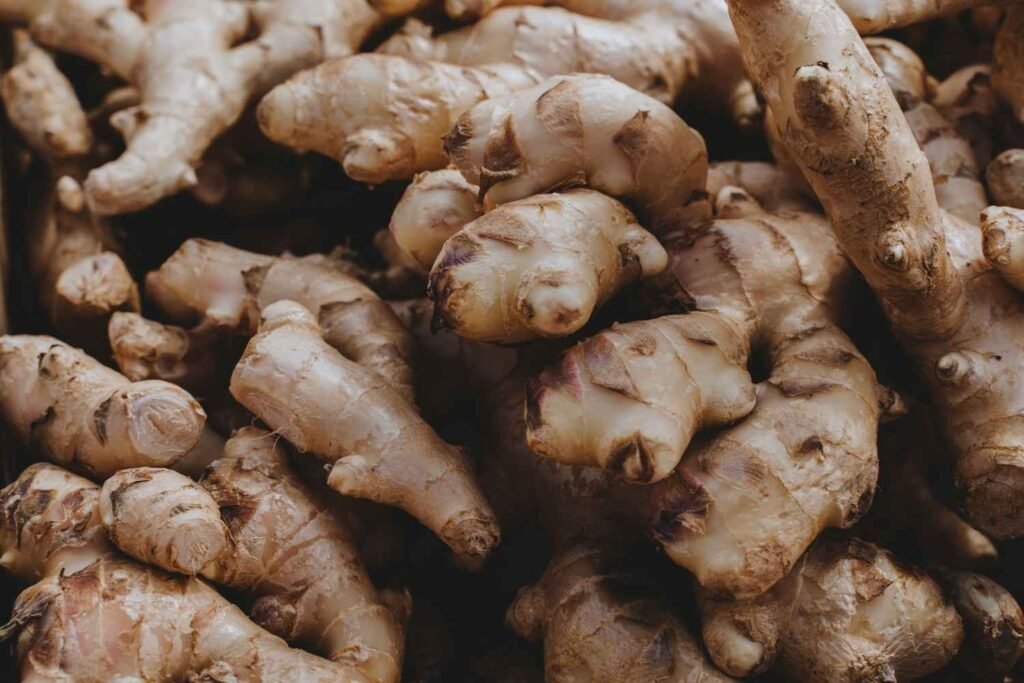
9. Ginger
Ginger has been used in traditional medicine for centuries, but modern research backs it up. Studies have shown that daily ginger supplementation can significantly increase testosterone levels — by reducing inflammation and oxidative stress in the testes, which is where testosterone is produced.
How to use it: Fresh ginger tea, grated into stir-fries, or added to smoothies. Aim for 1–2 grams daily.
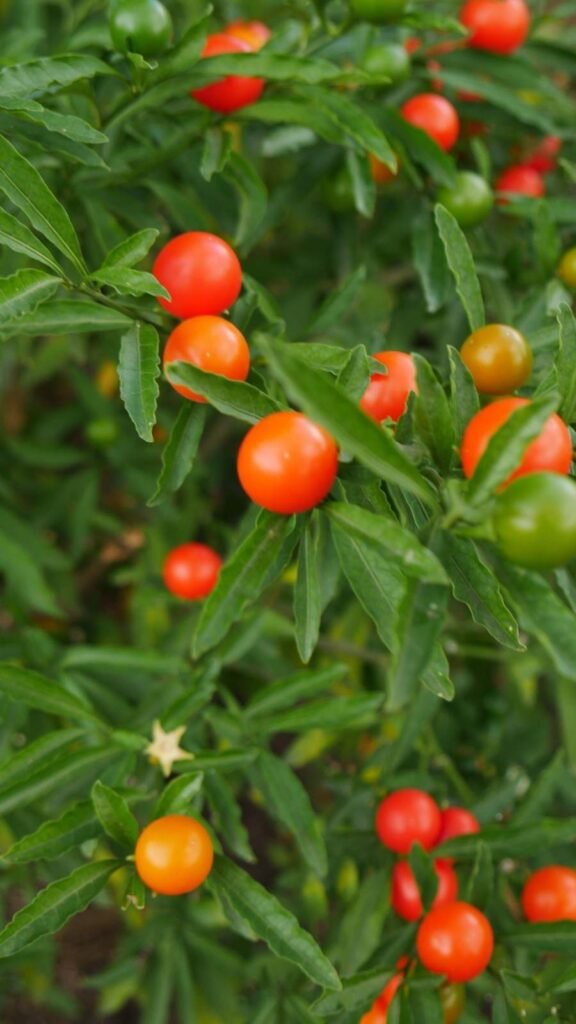
10. Ashwagandha (as a Food/Adaptogen)
Technically an herb, ashwagandha is worth including here because it has some of the strongest research behind it for testosterone specifically. It works by lowering cortisol levels and directly stimulating T production. Some studies show increases of 15–20% in testosterone levels with consistent use.
How to use it: Ashwagandha powder mixed into warm milk (traditional KSM-66 style), in smoothies, or taken as a capsule supplement.
🛒 Recommended: Look for KSM-66 or Sensoril ashwagandha extracts — these are the most clinically researched forms. Available on Amazon or your local supplement store.
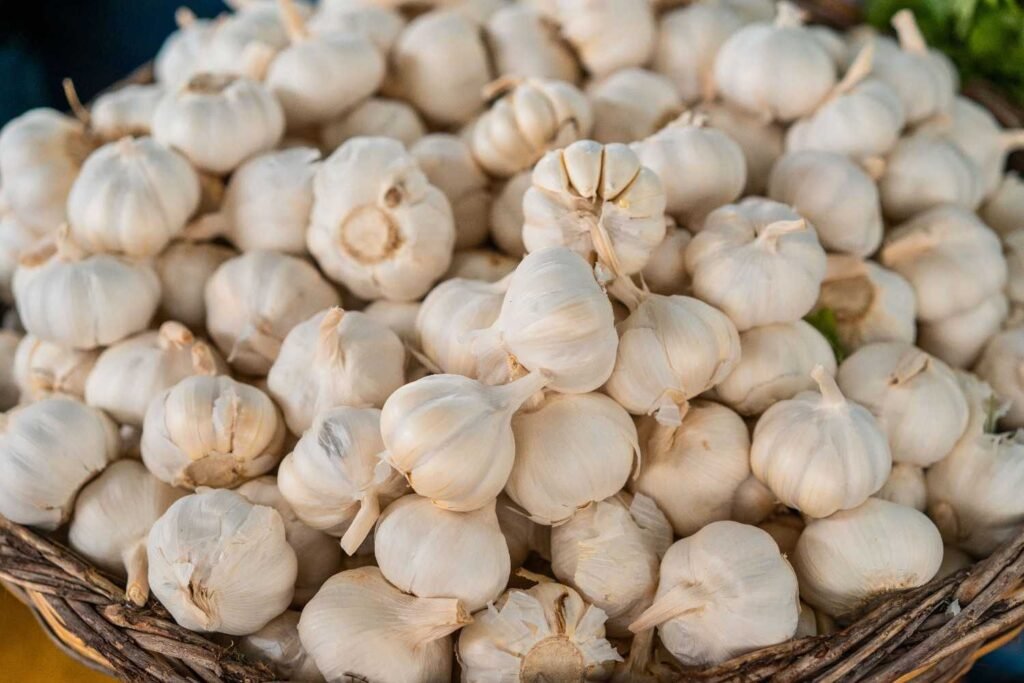
11. Garlic
Garlic contains allicin, a compound that helps lower cortisol levels. When cortisol drops, testosterone has more room to rise. Garlic also boosts circulation and has strong anti-inflammatory properties.
How to use it: Raw garlic on an empty stomach is most potent (though intense). Alternatively, cook it lightly into meals — most of the allicin survives mild heat.
12. Olive Oil (Extra Virgin)
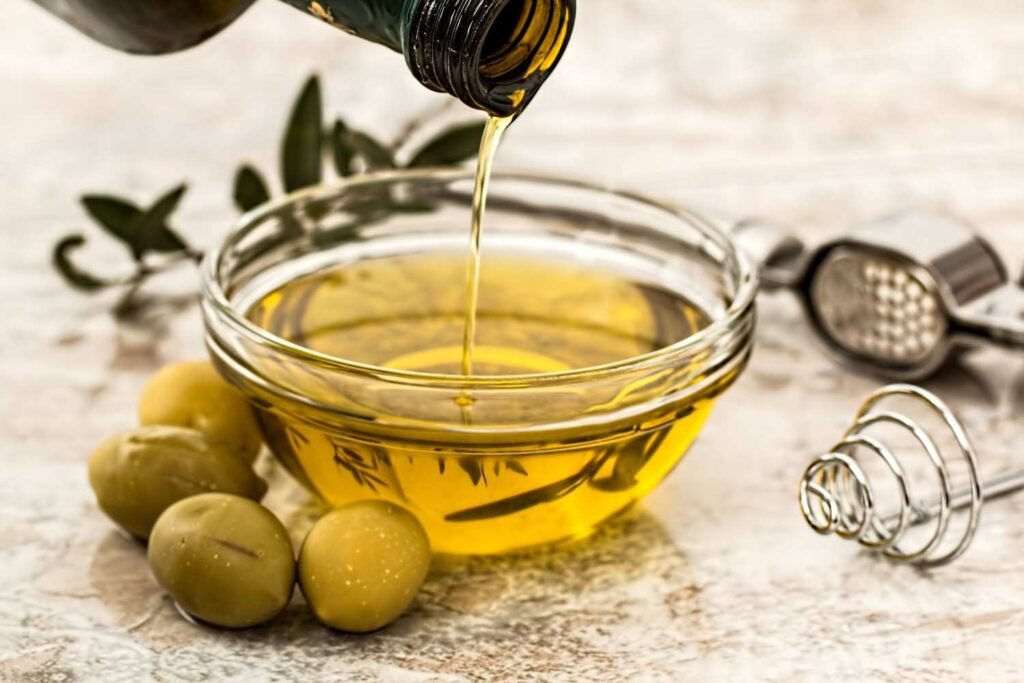
Extra virgin olive oil is one of the best dietary fats for testosterone. Studies from the Mediterranean diet research show that men who consumed olive oil regularly had significantly higher testosterone levels than those who didn’t. The monounsaturated fats and antioxidants in EVOO appear to directly support Leydig cell function — the cells responsible for producing testosterone.
How to use it: Use as your primary cooking oil and for salad dressings. Don’t heat on very high temperatures to preserve the antioxidants.
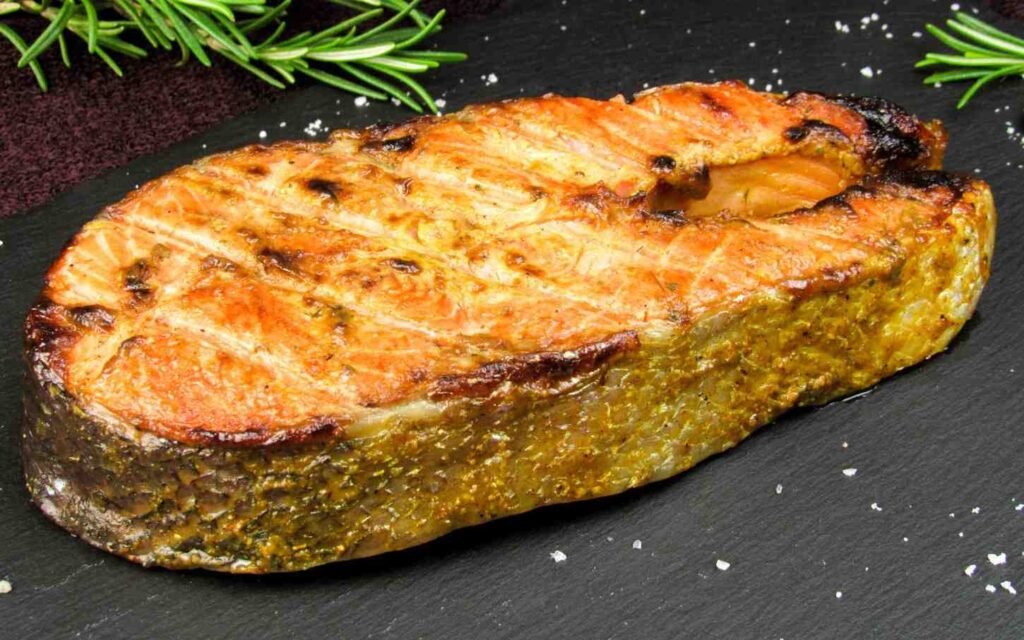
13. Fatty Fish (Salmon, Mackerel, Sardines)
Fatty fish are rich in omega-3 fatty acids and vitamin D — both of which support testosterone production. Omega-3s reduce inflammation throughout the body, and chronic inflammation is one of the fastest ways to suppress your hormonal health.
How to use it: Aim for 2–3 servings per week. Grilled salmon, sardines on toast, or mackerel with rice are all simple options.
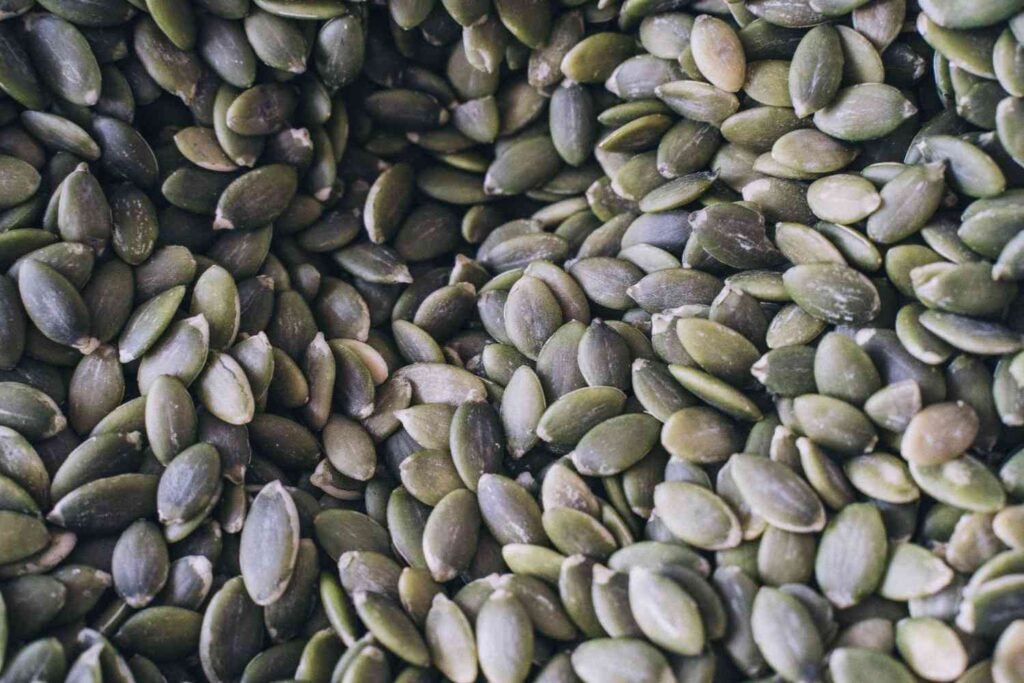
14. Pumpkin Seeds
Pumpkin seeds are a plant-based powerhouse for zinc and magnesium — two of the most critical minerals for testosterone. They’re also rich in healthy fats and antioxidants. Great option if you’re vegetarian or vegan.
How to use it: A small handful (about 30g) as a daily snack. Add to oatmeal, salads, or yogurt.
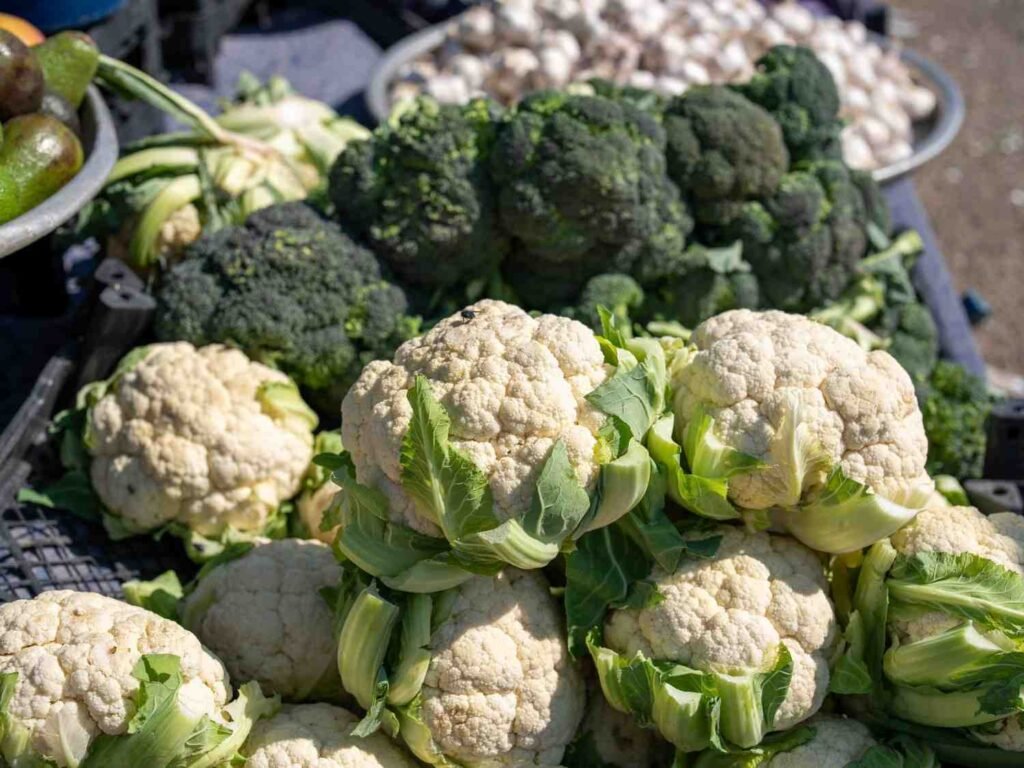
15. Cruciferous Vegetables (Broccoli, Cauliflower, Cabbage)
Here’s the science most people don’t know: men have both testosterone and estrogen in their bodies, and the ratio matters. Cruciferous vegetables contain a compound called DIM (diindolylmethane) that helps metabolize excess estrogen — effectively raising the testosterone-to-estrogen ratio even without changing T production directly.
How to use it: Daily servings of broccoli, cauliflower, or Brussels sprouts. Lightly steamed to preserve DIM content.
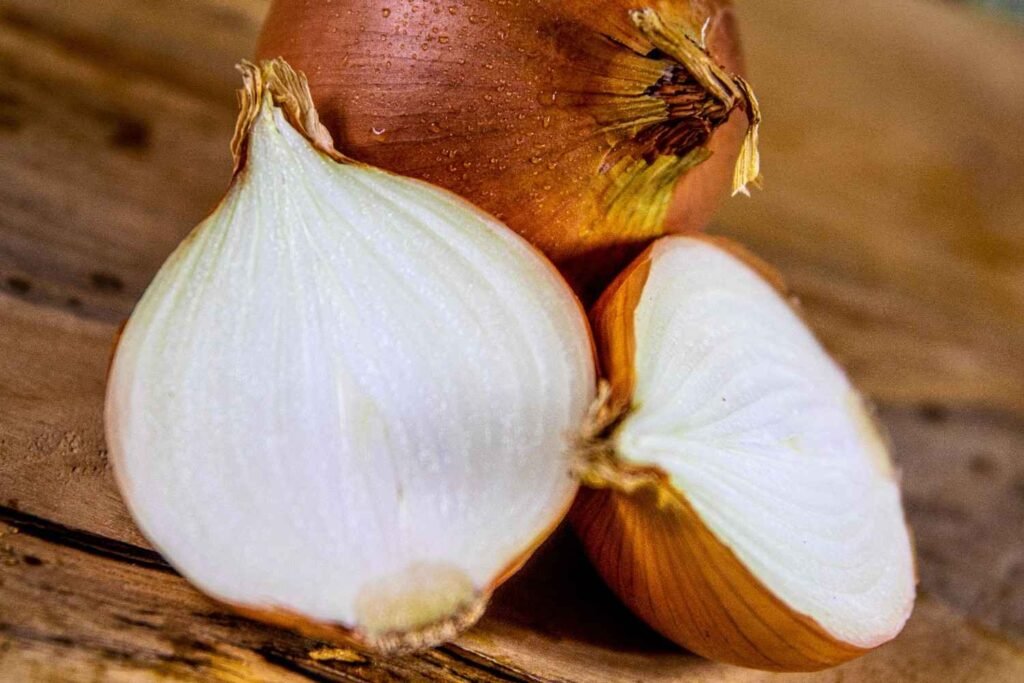
16. Onions
Onions are rich in quercetin and other antioxidants that have been shown in animal studies to increase testosterone production and improve sperm quality. They also support nitric oxide production, which improves circulation.
How to use it: Raw red onion in salads or sandwiches is most potent. Cooked onion in everyday cooking still provides benefit.
17. Fortified Cereals / Oats
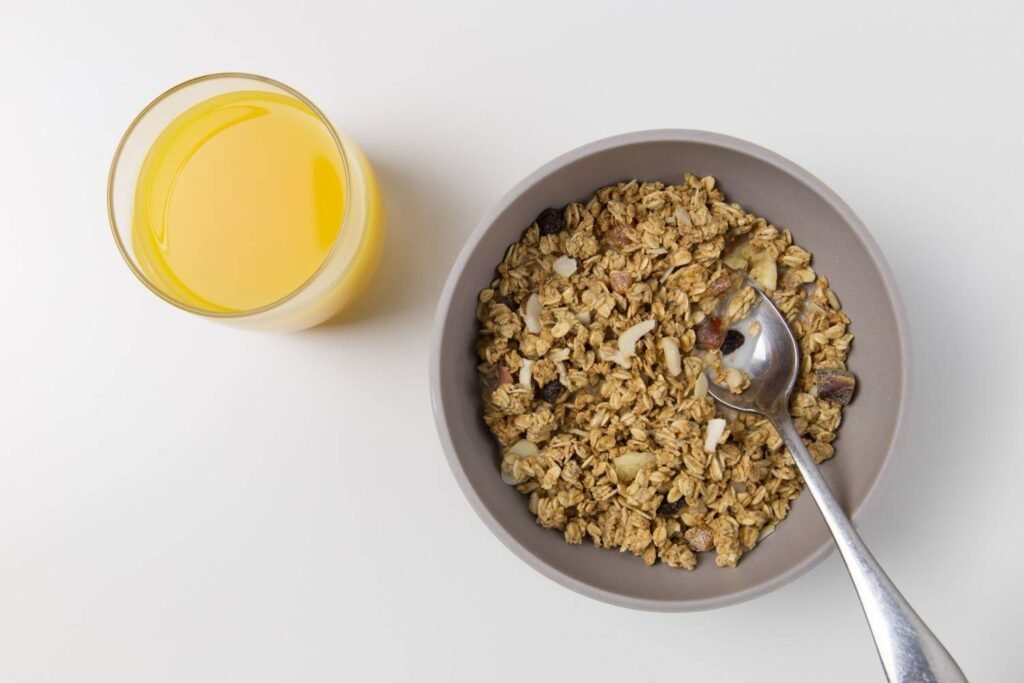
While whole oats are good on their own (rich in zinc and magnesium), fortified cereals with vitamin D can be a useful dietary tool — especially in winter months or for people who get limited sun exposure. Look for cereals fortified with at least 100 IU of vitamin D per serving.
How to use it: Oatmeal for breakfast with pumpkin seeds, banana, and honey is an excellent testosterone-supporting morning meal.
18. Raisins
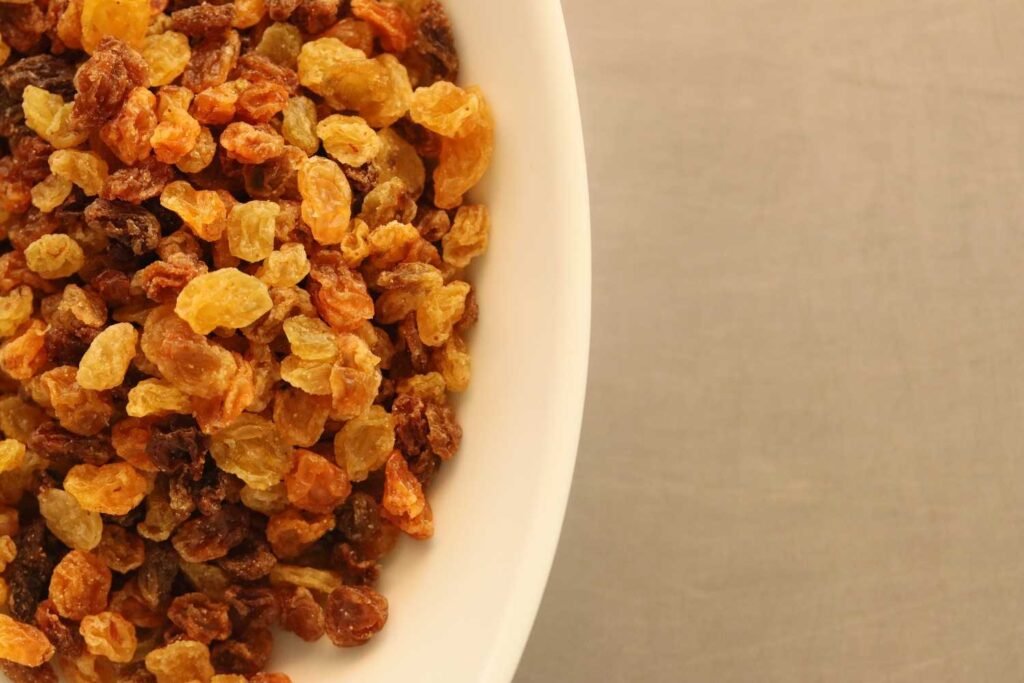
Don’t underestimate raisins. They contain boron (same as avocados) and are one of the most concentrated dietary sources of this often-overlooked mineral. Boron has been shown to raise free testosterone levels and reduce estrogen in just a week of consistent intake.
How to use it: A small handful daily. Mixed into oatmeal, trail mix, or eaten as a snack.
19. Honey
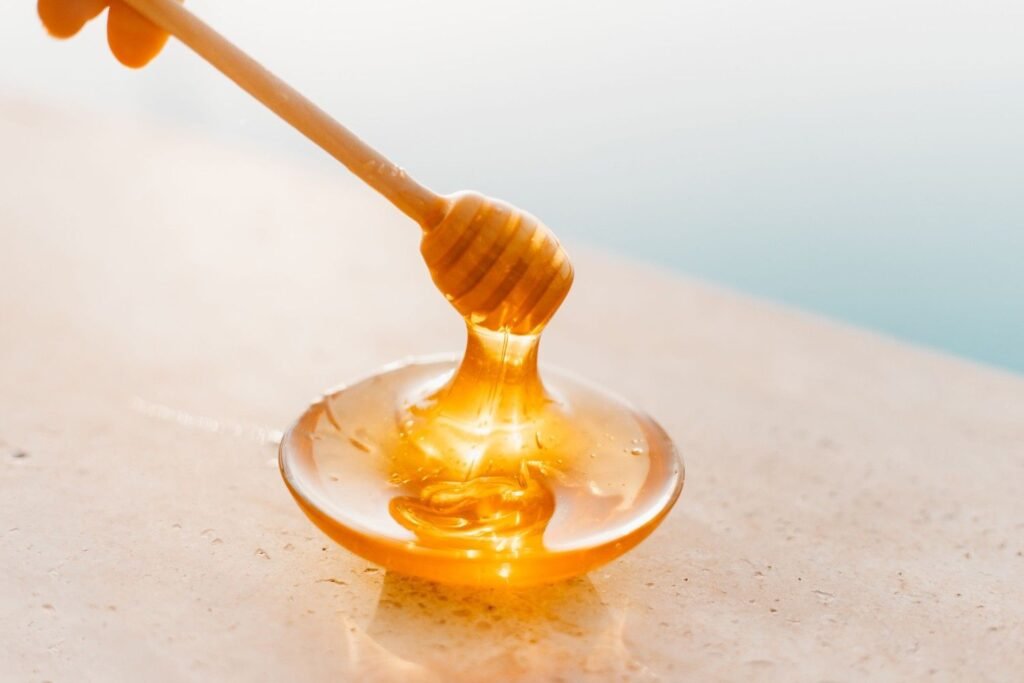
Raw honey contains boron and nitric oxide precursors, which support testosterone production and circulation. It also has anti-inflammatory properties. Manuka honey, specifically, has the highest concentration of beneficial compounds.
How to use it: A teaspoon of raw honey in warm water or green tea. Avoid heated honey as it loses some of its properties.
20. Coconut Oil
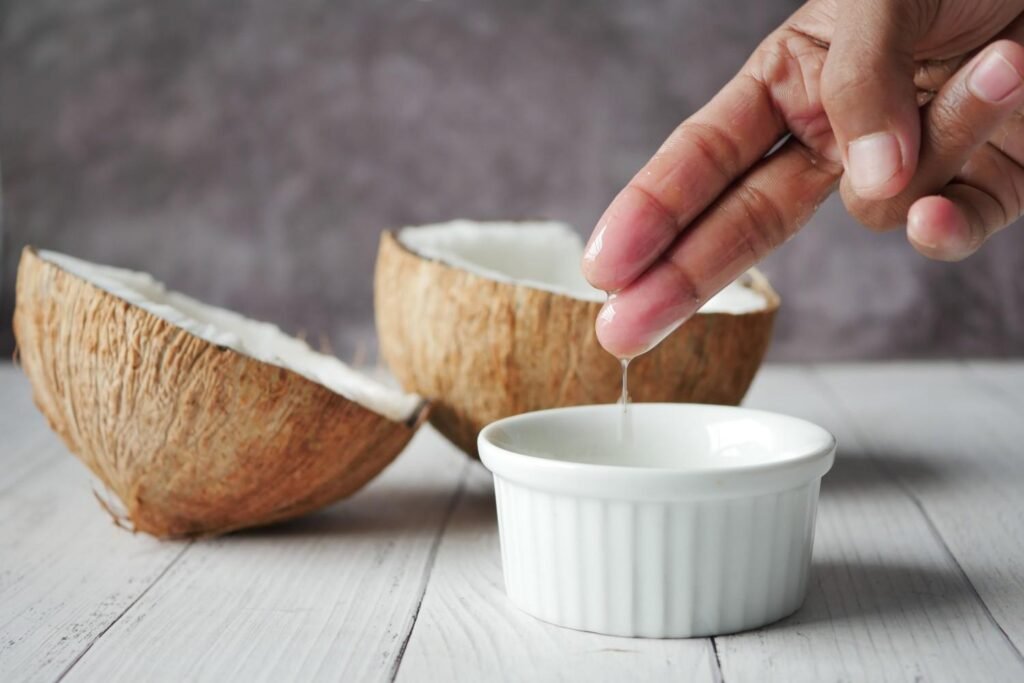
Coconut oil is rich in medium-chain triglycerides (MCTs) and saturated fats — both of which support the cholesterol your body needs to produce testosterone. Research has shown that dietary fat restriction leads to measurable drops in testosterone levels, and coconut oil is one of the most efficient ways to get quality fats in.
How to use it: 1–2 tablespoons daily for cooking or added to coffee/smoothies.
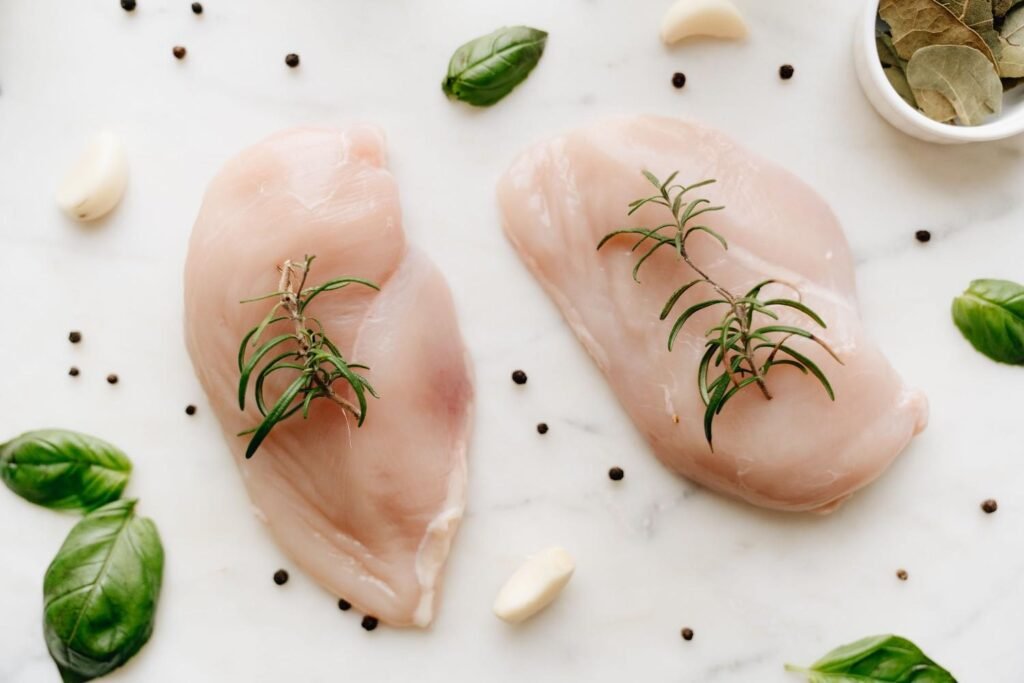
21. Lean Chicken / Turkey
Poultry is an excellent source of lean protein and zinc. Maintaining adequate protein intake is essential for muscle repair and keeping cortisol levels in check after exercise — both of which protect testosterone levels. Turkey in particular is rich in zinc and selenium.
How to use it: Grilled chicken or turkey as your primary protein source 4–5 days per week.
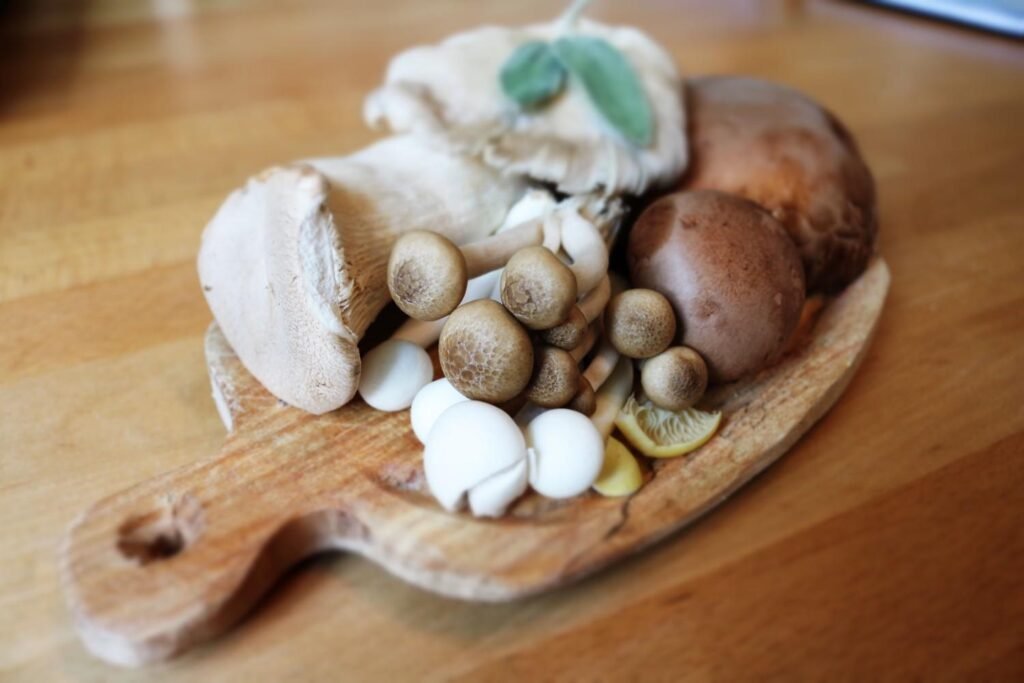
22. Mushrooms (Especially Shiitake and Portobello)
Mushrooms are one of the very few food sources of vitamin D, particularly when sun-exposed. They also contain beta-glucans that support immune function and reduce inflammation. Shiitake mushrooms specifically have been shown to have anti-estrogenic properties.
How to use it: Sauté with garlic and olive oil as a side dish. Buy “UV-exposed” mushrooms for maximum vitamin D content.
23. Dark Chocolate (70%+ Cocoa)
Dark chocolate is rich in magnesium and antioxidants, and contains small amounts of zinc. It also improves mood by supporting dopamine and serotonin — and better mood means lower cortisol. This is one of the more enjoyable items on this list.
How to use it: 1–2 squares of 70%+ dark chocolate daily. Not the entire bar.

🛒 Recommended: Lindt 85% or 90% dark chocolate is widely available and affordable.
24. Fenugreek Seeds
Fenugreek is a spice commonly used in Indian cooking that has solid research behind it for testosterone support. It contains compounds called furostanolic saponins that help inhibit enzymes that convert testosterone into estrogen. Studies show consistent daily use can raise free testosterone levels noticeably.
How to use it: Soaked fenugreek seeds in water overnight, then consumed in the morning. Or used as a spice in curries and dal.
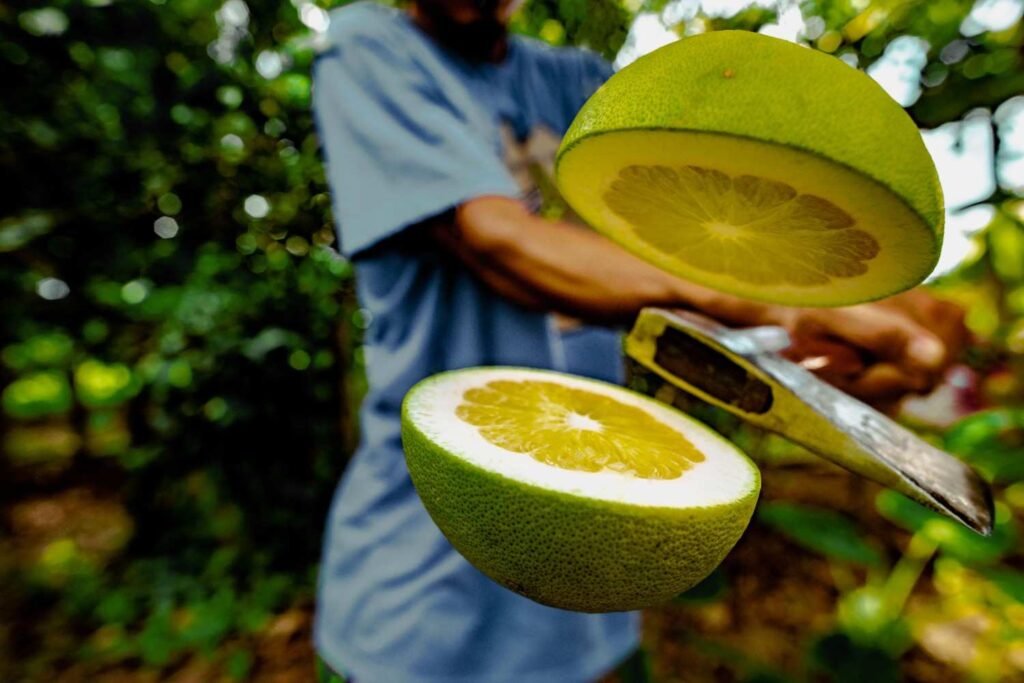
25. Pomelo / Citrus Fruits
Citrus fruits are high in vitamin C, which reduces cortisol and supports overall adrenal health. Pomelo specifically contains naringenin, a flavonoid that has shown anti-estrogenic effects in research. Oranges, lemons, and grapefruits are also beneficial.
How to use it: One full citrus fruit daily or a glass of fresh-squeezed juice. Avoid packaged juices with added sugar.
How to Build a Testosterone-Boosting Diet: A Simple Daily Template
You don’t need to eat all 25 foods every day. Here’s a simple template to hit the key nutrients consistently:
| Meal | Testosterone-Boosting Focus |
|---|---|
| Breakfast | 2–3 whole eggs + oatmeal with pumpkin seeds + honey in tea |
| Mid-Morning | Brazil nuts (1–2) + a citrus fruit |
| Lunch | Grilled chicken or tuna + spinach salad with olive oil + broccoli |
| Evening Snack | Dark chocolate + raisins or avocado on toast |
| Dinner | Salmon or beef + sautéed mushrooms + garlic + cruciferous vegetable |
| Before Bed | Ashwagandha in warm milk (optional but highly effective) |
What to Avoid (Just as Important)
These are the dietary habits that directly suppress testosterone — even if you’re eating all the right things:
- High sugar intake — raises insulin, increases conversion of testosterone to estrogen
- Excessive alcohol — directly toxic to Leydig cells (where T is made)
- Processed seed oils (soybean, canola) — high in omega-6 that drives inflammation
- Soy in large amounts — contains phytoestrogens that can interfere with hormonal balance
- Chronic caloric restriction — your body needs enough calories to produce hormones
Supplements Worth Considering
If you want to accelerate results beyond food alone, these are the most evidence-backed options:
- Zinc (30–50mg/day) if your diet is consistently low
- Vitamin D3 + K2 — especially if you live in a low-sun environment
- Magnesium Glycinate — more bioavailable than magnesium oxide
- Ashwagandha KSM-66 — one of the few adaptogens with strong clinical backing
- Boron (6–10mg/day) — underrated and under-discussed
Always consult your doctor before starting supplements, especially if you have existing health conditions.
Final Thoughts
Here’s the thing about testosterone and diet — there’s no single superfood that’s going to fix everything overnight. But what is very real is the cumulative effect of eating the right foods consistently over weeks and months.
Start with the basics: more zinc, more healthy fats, more vitamin D, less sugar, less alcohol. Add 4–5 of these foods into your daily routine and you’ll likely notice a difference in energy, mood, and physical performance within 4–6 weeks.
Your body is constantly rebuilding itself. Feed it the right materials.
Disclaimer: This article is for informational purposes only and does not constitute medical advice. If you suspect you have low testosterone, consult a qualified healthcare professional for proper testing and guidance.
Enjoyed this guide? Share it with someone who needs it. And check out our other nutrition guides on guideblogs.com.