Lifestyle
Is Walking After Meals Good for You? What 10–15 Minutes Can Do
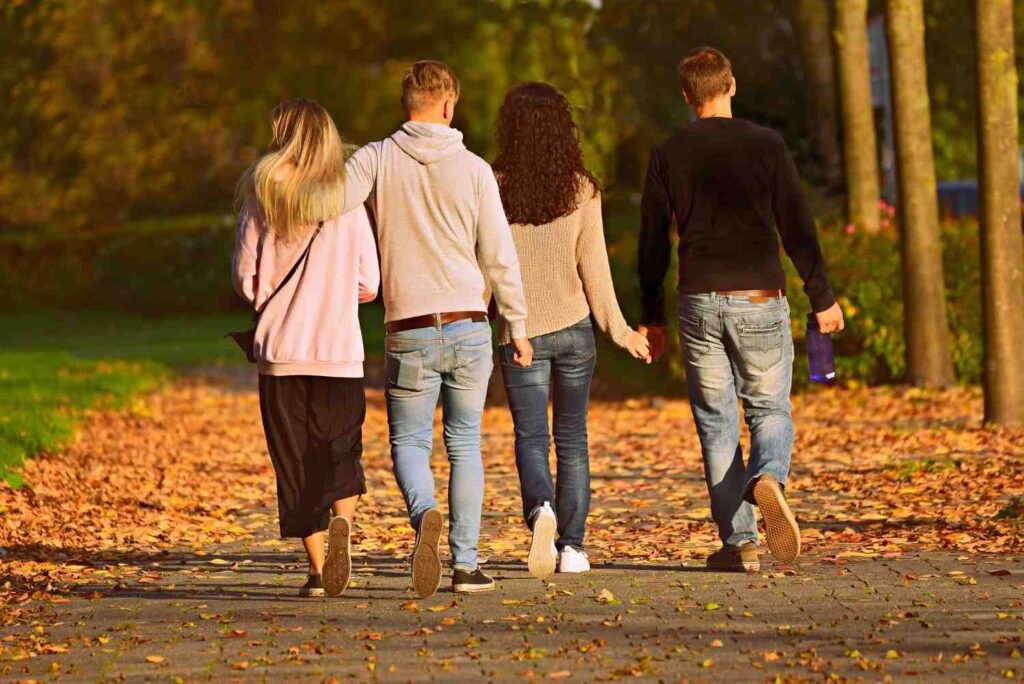
There’s a piece of advice that gets passed around like an old family recipe: take a walk after dinner. Maybe you heard it from a grandparent, maybe from a friend who read it in a magazine, maybe you just noticed people in certain parts of the world treating the after-meal stroll as a non-negotiable, like brushing your teeth. It’s one of those fragments of folk wisdom that turns out to be quietly, inconveniently correct.
And the best part is the size of it. Nobody’s asking you to run a marathon. We’re talking about ten to fifteen minutes of walking, at no particular speed, starting somewhere in the window after a meal. It might genuinely be the highest-leverage few minutes of your entire day, because of the specific things that happen when your body is actively working through a meal while your leg muscles are also working.
This article breaks down what the evidence actually says, how much walk is enough, when to take it, and — because it’s 2026 and everything has a catch — when it isn’t the right call. It’s a short article because the advice is short, but the payoff details are worth unpacking.
The Main Event: Blood Sugar
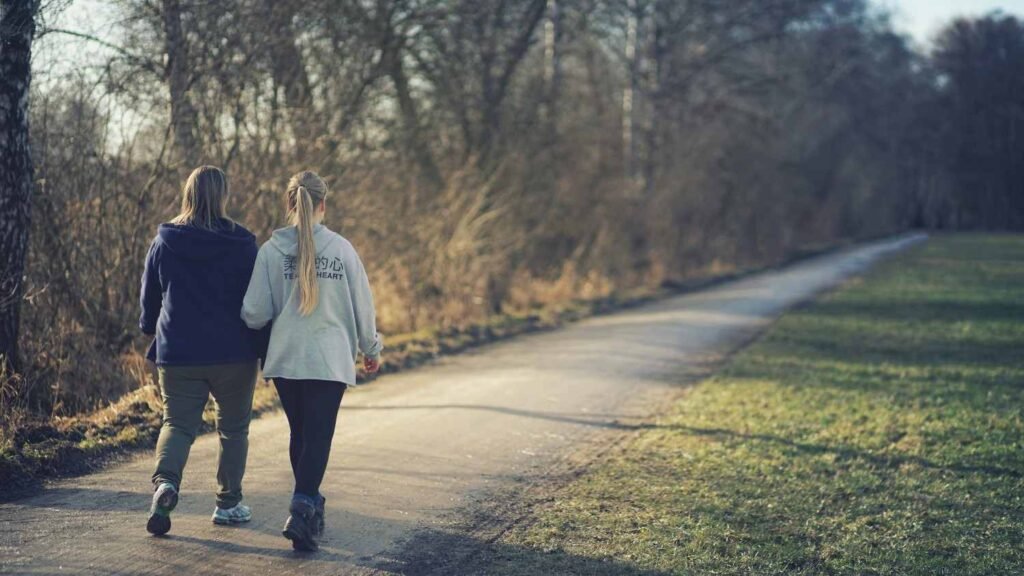
Here’s the mechanism that all the interesting research keeps coming back to. When you eat — especially a meal with any meaningful amount of carbohydrate — your blood sugar rises. Your body releases insulin to usher that sugar out of the bloodstream and into cells. That’s normal. It’s only when that spike is too high, or the insulin has to work too hard, that problems stack up over years.
Walking changes the math on all of that. Your leg muscles are the largest muscle group you own, and when they contract, they slurp glucose out of your bloodstream almost regardless of your insulin levels. Muscle movement is a second, independent path for sugar to leave your blood. So a meal plus a walk is not the same metabolic event as a meal plus a couch. By the time your blood sugar is peaking — generally 30 to 90 minutes after the meal — your walking muscles have already been helping clear it for a while.
The evidence here has gotten genuinely robust, and Cleveland Clinic sums it up plainly: a walk after a meal prevents your blood sugar from spiking as high as it would if you ate and then sat down, and it keeps insulin levels more stable. One analysis that pooled multiple studies found that going for a light walk after eating — in increments as short as two to five minutes — lowered post-meal blood sugar meaningfully compared to sitting. That’s not a typo. Two to five minutes. The bar has already been passed by practically anyone who’s ever walked to their mailbox.
More exact studies refine it further: a 2025 trial found that a ten-minute walk taken immediately after a meal did as well at evening out blood sugar as a 30-minute walk taken half an hour later. And in people with type 2 diabetes, a well-known randomized study showed that walking for ten minutes after each main meal did more for blood-sugar control across the day than one 30-minute walk at an unspecified time — with the biggest difference showing up after the evening meal, which is exactly when most of us are at our most sedentary.
The consistent headline: when you walk matters as much as whether you walk. Doing it right after eating, in whatever small amount you can manage, is repeatedly the version that performs best.
Why the Evening Meal Might Matter Most
It’s worth pausing on that dinner point, because it explains something a lot of people notice. Dinner tends to be the biggest meal of the day, it’s the one followed by the longest stretch of sitting (hello, couch), and it’s the meal after which nobody feels like exercising. Which makes it the exact meal where a post-meal walk earns its keep most.
Studies in older adults at risk for blood-sugar issues found that three fifteen-minute walks after meals were as good at managing 24-hour blood sugar as one 45-minute committed walk — and that the after-dinner walk in particular was the single most valuable block of the day. The effect showed up precisely where the problem is worst: the three hours after dinner, when sedentary people bring their blood sugar home and park it on the sofa. An after-dinner ten-minute stroll is effectively taking your insulin, your blood flow, and your glucose clearance out for some fresh air.

The Digestion Question
Now, the older folk warning deserves a moment: doesn’t walking after eating mess with digestion? The old rule said don’t exercise right after a meal, and there’s a sliver of truth in there — hard, vigorous exercise on a full stomach can cause discomfort, cramping, and reflux, and nobody should go sprinting off a roast dinner. But light walking is a different animal entirely. It’s often discussed in the balance of evidence as a gentle aid to digestion rather than an obstacle to it. Movement stimulates the natural wave-like contractions that push food along your digestive tract, lightly massaging the system along without the drama of intense exercise.
Some people even notice that a post-meal walk reduces bloating and that heavy “food baby” feeling. That’s consistent with the mechanism, though it’s worth a realism check: walking after a meal is not a cure for digestive conditions, and if you’ve eaten an enormous meal, ten minutes of stomping isn’t the same thing as ten minutes of strolling. Keep the pace conversational, not competitive.
The Craving Connection
There’s a less expected benefit hiding in the research, and it hits everyone with a sweet tooth. Some of the better-studied effects of short walks involve cravings. Fifteen minutes of walking appears to take the edge off cravings — chocolate and sweet snacks specifically — and the effect shows up in the moment, not just over time. The suspected link is that walking shifts blood sugar and mood at the same time, and a chunk of what we call dessert cravings is really energy that wants a boost and emotions that want a distraction.
It’s probably not an accident that this pairs so neatly with the blood-sugar story: if your post-meal glucose is steadier because you walked, you’re less likely to hit that mid-evening energy dip that sends you looking for the ice cream. The walk doesn’t have magical anti-dessert powers; it just prevents one of the reasons you reach for dessert in the first place.
What a Truly Realistic Version Looks Like
The advice that changes behavior is the advice that survives contact with a normal Tuesday night, so let’s be realistic about the logistics.
The timing. Ideally, start within about 15 to 30 minutes of finishing — that puts your walk in the window before the blood sugar peak (which lands around 30 to 90 minutes after the meal). If you’ve eaten a very large meal or you just feel stuffed, it’s completely fine to sit for 10 or 15 minutes first. The research also shows walking immediately after the meal tends to outperform waiting longer, but “slightly delayed but actually done” beats “perfectly timed but never happens.”
The length. Ten to fifteen minutes is the sweet spot. That’s one lap around the block, a walk to the corner and back, one phone-call-while-walking catch-up session. If you only have five, five counts. If you have twenty, twenty’s better. This is not a workout metric; it’s a use-it-or-lose-it metabolic boost.
The pace. Light to moderate. You should be able to hold a conversation. Break a mild sweat at most. This is the biggest misunderstanding in the whole topic — people assume the benefit scales with effort, but the studies are consistently about light walking. The gain here is not fitness; it’s the daily, repeated lowering of post-meal glucose.
The dog / the stairs / the phone call. The best version is the one that happens for two weeks in a row. If that means walking the dog, great. Walking to a cafe ten minutes away, great. Looping the parking lot, great. The habit is the treatment.
The Honest Limitations
Everything above sounds close to a miracle, so let me do the responsible thing and list what this won’t do.
It won’t undo a poor diet. A small stroll after a donut breakfast keeps the donut from spiking quite as sharp, but it’s a polish, not a pardon. The consistent conclusion across all the analyses is that walking after meals helps manage blood sugar — it is not a substitute for eating in a way that doesn’t wreck your blood sugar in the first place.
It won’t fix a serious digestive issue. If you deal with significant reflux, or you have a digestive condition where movement after meals genuinely bothers you, walking isn’t a treatment — listen to your body, and talk to a doctor about what’s going on, rather than treating the walk as the solution.
It won’t make you fit. Ten minutes of light walking won’t train your cardiovascular system or build meaningful endurance. That’s fine — its job is different. It’s the everyday stabilization, not the workout. If you’re chasing fitness, keep your walks longer and your dedicated exercise separate.
And one sober note: if walking after meals feels unusually hard, or you get chest discomfort, or you have a condition where sudden exertion after eating isn’t recommended, that’s a doctor conversation, not a blog-listener conversation. This is light activity, but for some bodies, even light activity needs clearance.
The Habits That Make This One Actually Stick
Since the entire point is that it’s routine, a few ways people make it survive contact with real life:
- Anchor it to the meal, not the clock. Dinner’s over → shoes on. No deciding involved. The decision point is what kills habits; removing it entirely is the trick.
- Make it a date. It’s much easier when it’s “walk with me” (spouse, kid, friend, dog) than when it’s exercise you’re performing alone.
- Put your phone away for ten minutes or, if you’re like me and can’t bear unoccupied hands, use it for a call you’d have made anyway.
- Don’t let perfect be the enemy. Rainy day? Five minutes inside, up and down the stairs, still counts. It always still counts.
- Notice the side effects. Most people, within a week, report better digestion, an easier evening, or simply liking the pause. That’s the real keeper: the habit that makes you feel good is the one you keep.
This also happens to connect neatly to the rest of the puzzle. A short regular walk is one of the best low-friction ways to nudge your appetite and blood-sugar balance in the right direction, it gives your digestive system some help throughout the day, and it makes you a little less of the sedentary person whose metabolism sinks after dark. None of it requires a gym membership.
FAQ
Is it bad to walk immediately after eating?
No — for light walking, the evidence points the other way: walking soon after a meal blunts the blood sugar rise better than waiting. If you’ve just eaten a huge meal and feel genuinely uncomfortable, sitting for 10–15 minutes first is fine. The thing to avoid is vigorous exercise on a full stomach, which is a different animal entirely.
How long should I walk after a meal?
Ten to fifteen minutes is the ideal. And notably, the research says even two to five minutes of light walking produces measurable improvements over sitting. The minimums are low, which is the whole point — this is a habit for people who don’t have time.
Does walking after dinner really lower blood sugar?
Yes, reliably. Post-meal walking lowers both the height of the blood sugar spike and the total rise across the hour, often improving insulin levels too. Studies in people with type 2 diabetes show the after-dinner walk specifically produces some of the biggest gains, because dinner is when blood sugar rises most and activity drops most.
Can walking after a meal help with weight loss?
Directly, modestly — it’s more calories out, plus steadier blood sugar, plus fewer late-evening cravings. Indirectly, it matters a lot, because it’s a repeatable daily habit with zero barrier to entry, and habits that multiply across months do the real work. It’s a smart supporting player, not the star of a weight-loss plan.
Should I walk after every meal or just dinner?
Every meal helps — the morning walk may blunt your breakfast spike, and the lunch walk rescues your post-lunch energy crash. But if you can only commit to one, dinner is the highest-value slot for most people, simply because it’s usually the biggest meal followed by the most sitting. One reliable post-meal walk a day is already a meaningful win.
The Bottom Line
Walk after your meal. Ten, fifteen minutes. That’s the whole prescription. It’s one of the rare health habits where the science, the cost, the time requirement, and the grandmothers all agree — light walking after eating smooths your blood sugar, eases digestion, takes the edge off cravings, and slots into a normal day with no equipment, no specialty, and no excuses worth making. You don’t need to get faster or more intense. You just need to get up, reliably. Your metabolism will quietly take care of the rest.
This article is for general information and isn’t a substitute for personalized medical advice. If you have diabetes, a digestive condition, or any medical concern that might affect whether and how you should exercise, please talk to a healthcare professional.