Nutrition
Matcha vs Coffee: Which Is Healthier?
Walk into any coffee shop in 2026 and you’ll notice something has shifted. Alongside the usual espresso menu, there’s now a whole section devoted to matcha — lattes, “dirty matcha” (a shot of espresso stirred into whisked matcha), iced matcha with oat milk, the works. Global social mentions of matcha jumped more than 60% year over year in 2025, and the dirty matcha trend alone grew 75% in search interest. But underneath the aesthetic, a real question is worth asking: is matcha actually healthier than coffee, or is this just a very photogenic rebrand of caffeine?
The honest answer is more nuanced than either camp wants to admit. Both drinks have genuine, research-backed benefits. They just get there differently.
What’s Actually in Each Cup
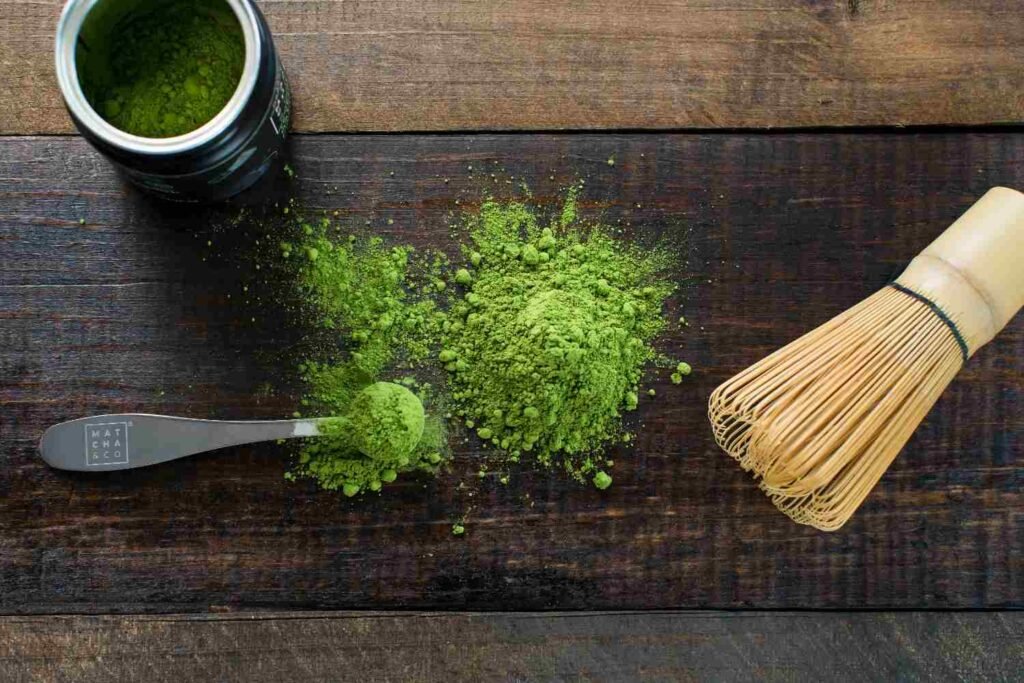
Coffee is brewed from roasted, ground beans, and you drink the liquid that’s extracted through hot water — you’re not consuming the bean itself. Matcha is different: it’s finely ground whole green tea leaves, whisked directly into hot water, which means when you drink matcha, you’re consuming the entire leaf, not just what dissolves out of it. That distinction matters more than it sounds, because it means matcha delivers a broader range of the plant’s compounds — fiber, chlorophyll, and a much higher concentration of certain antioxidants — than a cup of brewed tea or coffee ever could.
Caffeine: Similar Ballpark, Very Different Delivery
A standard 8-ounce cup of coffee contains roughly 95 mg of caffeine, while a typical 2-gram serving of matcha comes in lower, around 70 mg, according to comparisons compiled by Senbird Tea’s breakdown of matcha versus coffee. The gap narrows or widens depending on preparation — some research on the raw matcha powder itself finds caffeine density as high as 18.9 to 44.4 mg per gram, which is more concentrated than typical green tea leaves.
What separates the two isn’t just the total amount — it’s how your body experiences it. Coffee’s caffeine hits fast and clears relatively quickly, which is exactly why it produces that sharp, immediate jolt followed, for a lot of people, by a mid-morning crash. Matcha contains L-theanine, an amino acid that isn’t present in coffee at all, and research suggests L-theanine promotes calm, focused alertness by increasing alpha brain wave activity while smoothing out the jittery peaks associated with caffeine alone. The catechins in matcha also bind to caffeine molecules, which appears to slow its release into your bloodstream, stretching the energy curve out to somewhere between four and six hours rather than the sharper spike-and-crash pattern many coffee drinkers know well.
If you’ve ever felt anxious, shaky, or overstimulated after coffee, that’s partly a cortisol response — caffeine triggers a measurable rise in cortisol, your primary stress hormone, and how pronounced that rise is varies a lot between individuals and between beverages. Comparative research on caffeinated drinks has found that the cortisol response to coffee tends to be sharper than the response to tea-based drinks like matcha, which may partly explain why matcha feels “calmer” even at a similar caffeine dose. If stress and cortisol are new topics for you, our detailed guide on what cortisol is and how it affects your body is worth reading alongside this comparison.
Antioxidants: Matcha’s Strongest Card
This is where matcha tends to pull ahead. Matcha is unusually rich in a catechin called EGCG (epigallocatechin gallate), and because you’re consuming the whole leaf rather than a water extraction, the concentration you get in a cup of matcha is significantly higher than what you’d get from steeping a regular tea bag. EGCG has been studied for its role in reducing oxidative stress, supporting metabolic health, and potentially aiding fat oxidation, though — as with most single-compound nutrition claims — the effect in real-world diets tends to be modest rather than dramatic.
Coffee isn’t without its own antioxidant credentials, though. It’s actually one of the largest sources of dietary antioxidants in the average Western diet, largely thanks to chlorogenic acid, a compound linked in various studies to improved insulin sensitivity and reduced inflammation. So this isn’t really a case of “one has antioxidants and the other doesn’t” — it’s two different antioxidant profiles doing different things.
Heart Health
Both drinks show up favorably in cardiovascular research, which surprises people who still think of coffee as something to be cautious about. Regular, moderate coffee consumption — generally defined as 3 to 4 cups a day — has been associated in multiple studies with a reduced risk of heart disease, stroke, and heart failure. Matcha’s catechins, meanwhile, have shown associations with lower LDL (“bad”) cholesterol and higher HDL (“good”) cholesterol in some research, suggesting a somewhat different but complementary mechanism for supporting heart health.
One caveat worth knowing: unfiltered coffee (think French press or Turkish coffee) contains compounds called cafestol and kahweol that can raise LDL cholesterol if consumed heavily. Filtered coffee, the kind most drip machines and pour-overs produce, largely avoids this issue.
Gut Health and Digestion
Coffee is naturally more acidic than matcha and can stimulate stomach acid production, which is why some people experience indigestion, acid reflux, or an upset stomach, particularly on an empty stomach. Matcha is gentler on the digestive system by comparison and, because you’re consuming the whole leaf, it also contributes fiber and plant compounds that may support a more favorable gut microbiome. A recent systematic review of matcha’s effects on the gut microbiome found associations with increased populations of beneficial bacteria, which ties into a much bigger picture of how diet shapes digestive and metabolic health — something we cover in more depth in our piece on why gut health matters for weight loss.
Weight Management: Neither Is a Shortcut
Caffeine, regardless of source, can modestly increase metabolic rate — some research puts the effect as high as an 11–13% temporary boost for a few hours after consumption — partly by activating brown adipose tissue, a type of fat that burns energy to generate heat rather than storing it. Coffee’s effect on metabolism tends to be sharper but shorter-lived, while matcha’s combination of caffeine and catechins may produce a more sustained, if gentler, effect. Neither beverage comes close to functioning as a genuine weight-loss tool on its own — the honest takeaway from the research is that both can be reasonable allies within a broader pattern of balanced eating and activity, not substitutes for it. If you’re building out a nutrition plan where these beverages play a supporting role, our guide on the best high-protein foods for weight loss and muscle health covers the foods that do the heavier lifting.
Cognitive Effects: Focus vs. Alertness
The way each drink affects your brain is worth separating out from the general “energy” conversation, because focus and alertness aren’t quite the same thing. Coffee reliably improves alertness, reaction time, and short-term memory recall — this is some of the most consistently replicated research in the caffeine literature, and it’s a big part of why coffee remains the default choice for early mornings and long drives. But at higher doses, or in people sensitive to caffeine, that same alertness can tip into restlessness, difficulty concentrating on a single task, or a racing, scattered feeling that actually works against sustained focus.
Matcha’s L-theanine and caffeine combination has been studied specifically for its effect on sustained attention rather than just raw alertness. Because L-theanine promotes calming alpha brain wave activity while caffeine provides the stimulant effect, the combined result tends to feel like “focused calm” rather than a jolt — which is part of why matcha has become popular among people doing deep work, writing, or studying, where a jittery spike isn’t actually helpful even if it feels energizing in the moment.
Cost and Accessibility
It’s worth being practical here too. Coffee remains, by a wide margin, cheaper and more accessible than matcha in most parts of the world. Ceremonial-grade matcha powder — the kind recommended for drinking on its own rather than mixing into lattes or baked goods — commands a premium price, often several times the cost per serving compared to standard coffee beans. Culinary-grade matcha, intended for lattes and cooking, is more affordable and perfectly fine for daily use, but even that typically costs more per cup than a standard bag of coffee. If budget is a real factor in your decision, that’s a legitimate consideration alongside the nutritional comparison — the “healthiest” beverage is the one you can actually sustain long-term.
Pregnancy and Caffeine Sensitivity
For people who are pregnant, trying to conceive, or simply more sensitive to caffeine than average, both beverages warrant moderation rather than avoidance in most cases, though specific guidance should come from a doctor or midwife rather than a nutrition article. General guidance for pregnancy typically caps total caffeine intake around 200 mg per day from all sources combined, which usually allows for a modest amount of either coffee or matcha, but not both in full servings on the same day. Because matcha’s caffeine releases more gradually, some people find it easier to stay under a daily caffeine ceiling with matcha than with an equivalent-feeling amount of coffee, simply because the total dose per cup tends to be lower.
What About Decaf and Alternatives?
If you love the ritual of either drink but want to minimize caffeine intake specifically, decaf coffee retains much of its antioxidant profile (chlorogenic acid content is reduced somewhat during decaffeination, but not eliminated) while cutting caffeine by roughly 97%. A true decaf matcha is harder to find commercially and less commonly produced, since the whole point of matcha for most drinkers is the calm-alert effect that depends on the caffeine-theanine combination — without the caffeine, you’re mostly left with the antioxidant and chlorophyll content, which still has some value but changes the experience considerably.
Taste, Ritual, and the Honest Truth About Preference
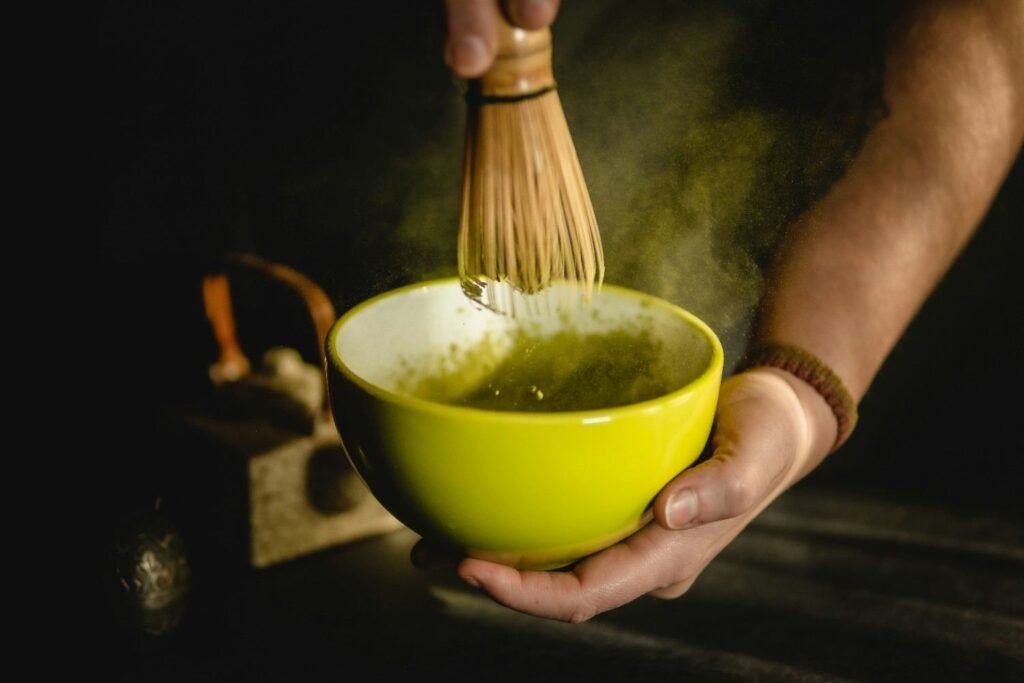
Nutrition science aside, a lot of the matcha-versus-coffee debate really comes down to preference and ritual. Coffee has centuries of cultural weight behind it — the smell, the brewing process, the social rituals built around it. Matcha’s preparation, whisking powder into water in smooth zigzag motions, has its own centuries-old ceremonial roots in Japanese tea culture. Neither is more “correct” than the other, and the healthiest beverage, in a practical sense, is often simply the one that fits sustainably into your routine without added sugar, syrups, or excessive dairy that can undercut the underlying benefits of either drink.
Who Might Prefer One Over the Other
Coffee may be the better fit if you want a stronger, faster energy hit, you enjoy the ritual and flavor of brewed coffee, or you’re looking for the extensive body of research tying moderate coffee consumption to lower risk of conditions like type 2 diabetes, Parkinson’s disease, and certain liver diseases.
Matcha may be the better fit if you’re sensitive to caffeine jitters or crashes, you deal with anxiety that coffee tends to worsen, you want a gentler effect on your stomach, or you’re specifically looking to add more antioxidant-dense plant compounds to your diet without extra calories.
Both should be limited if you’re pregnant, have a diagnosed anxiety disorder that’s worsened by stimulants, or have been advised by a doctor to restrict caffeine for a specific medical reason such as arrhythmia or uncontrolled high blood pressure.
The Bottom Line
There’s no single winner here, and anyone telling you otherwise is oversimplifying real research. Coffee offers a fast, well-studied energy boost with a strong track record for cardiovascular and metabolic health in moderate amounts. Matcha offers a gentler, longer, more sustained lift thanks to L-theanine, along with a notably higher concentration of specific antioxidants because you’re consuming the whole leaf. If you’re generally healthy, enjoying either — or both, at different times of day depending on what you need — is a perfectly reasonable choice. The real risk to watch for with both isn’t the base beverage; it’s what gets added to it. A plain matcha or black coffee is a very different drink, nutritionally, than a 16-ounce sugar-and-syrup-laden version of either.