Diet
Mediterranean Diet: Complete Guide to Foods, Benefits & How to Start (Without Feeling Restricted)
If you had to pick one way of eating that nutrition scientists, cardiologists, and dietitians mostly agree on, the Mediterranean diet would win by a landslide. It’s been studied for decades, it consistently ranks among the best diets year after year, and — unlike most “diets” — it doesn’t ask you to cut out entire food groups or count every morsel.
That’s the secret, really. The Mediterranean diet isn’t a strict regimen. It’s a pattern, a set of principles about what to eat often, what to eat occasionally, and how to enjoy food with other people. It’s flexible enough to fit almost any kitchen in the world, and it’s built on real, delicious food.
This guide covers the core principles, the actual food lists, the health benefits, a sample week of meals, easy swaps, and the mistakes that trip people up. If you’ve already tried our Mediterranean salad recipe, think of this as the bigger framework that recipe belongs to.
What Is the Mediterranean Diet, Really?
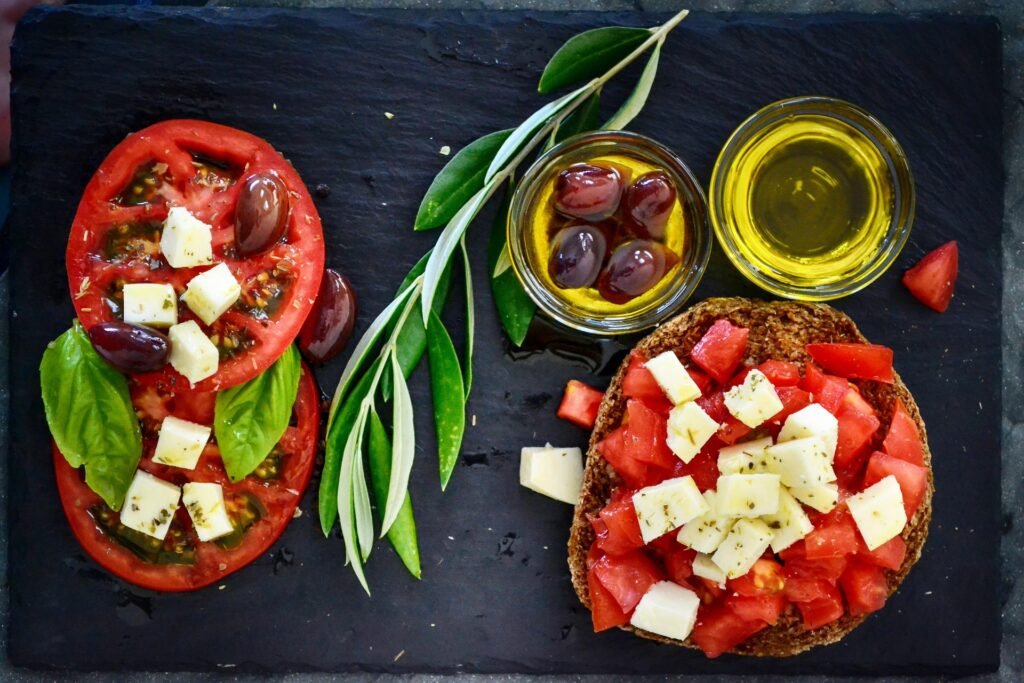
The name is a little misleading. There’s no single “Mediterranean diet” — the traditional eating patterns of Greece, Italy, Spain, southern France, and the Levant differ in details. What they share is a general philosophy: lots of vegetables, fruits, whole grains, beans, nuts, olive oil, and fish, with moderate amounts of dairy and wine, and only small amounts of red meat and sweets.
Researchers began studying these patterns in the 1950s and 1960s, noticing that people in places like Crete had remarkably low rates of heart disease despite eating plenty of fat. The fat, it turned out, came mostly from olive oil. That observation launched one of the most productive areas of nutrition research in history.
Decades later, the evidence is strong. The Mediterranean diet is associated with lower rates of heart disease, stroke, type 2 diabetes, and certain cancers, and better cognitive function in older age. It’s not a fad — it’s one of the best-supported dietary patterns there is.
The Core Principles
Before we get to food lists, here’s the mindset that makes the diet work:
- Eat mostly plants. Vegetables, fruits, whole grains, legumes, nuts, and seeds should make up the bulk of what you eat.
- Make olive oil your main fat. Extra-virgin olive oil is the signature ingredient.
- Fish and seafood regularly, meat occasionally. Fish is a weekly staple; red meat is a sometimes food.
- Choose whole, minimally processed foods. This means cooking more and buying fewer packaged meals.
- Enjoy meals slowly and socially. Shared meals, and even a glass of wine with food if you drink, are part of the pattern.
- Stay active. Physical activity is woven into the traditional lifestyle, not treated as a separate chore.
- Treat it as a lifestyle, not a punishment. Nothing is banned; frequency is what changes.
What to Eat: The Food Lists
Eat Daily (The Foundation)
- Vegetables: Leafy greens, tomatoes, broccoli, peppers, zucchini, eggplant, onions, garlic, carrots
- Fruits: Berries, oranges, apples, grapes, figs, melons, pomegranates
- Whole grains: Oats, barley, brown rice, whole-wheat bread and pasta, bulgur, farro
- Legumes: Lentils, chickpeas, beans, peas — the plant-based protein backbone
- Nuts and seeds: Almonds, walnuts, pistachios, sesame, pumpkin seeds
- Olive oil: Your primary cooking and dressing fat
- Herbs and spices: Basil, oregano, rosemary, parsley, cinnamon, turmeric
Eat Often (Several Times a Week)
- Fish and seafood: Especially fatty fish like salmon, sardines, and mackerel — rich in omega-3 fatty acids
- Poultry: Chicken and turkey in moderate portions
- Eggs: A few per week
- Dairy: Yogurt and cheese, preferably fermented varieties, in moderate amounts
Eat Occasionally (Weekly, Small Portions)
- Red meat: Beef, pork, lamb — a few times a month, not a few times a week
- Processed meats: Sausages, cold cuts — limit these
- Sweets and desserts: Occasional treats, not daily habits
There’s No Room For
Honestly, very little is forbidden. But the pattern discourages:
- Sugary drinks
- Highly processed snacks
- Refined grains and added sugars as everyday staples
- Fried fast food
The point isn’t perfection. It’s that these foods simply don’t appear often in a Mediterranean-style week.
The Health Benefits: What the Research Shows
Heart Health
This is the best-documented benefit. Large trials and long-term studies, including the landmark PREDIMED trial published in the New England Journal of Medicine, found that a Mediterranean diet supplemented with olive oil or nuts reduced cardiovascular events compared with a lower-fat diet. It’s one of the few diets with robust clinical evidence behind it.
Longevity
Observational studies consistently link closer adherence to the Mediterranean pattern with longer life. The traditional lifestyle — movement, social meals, plant-rich food — seems to support healthy aging. Our strength training for longevity guide pairs well with this, since muscle and diet work together as you age.
Brain Health
Higher adherence to a Mediterranean diet is associated with slower cognitive decline and lower risk of dementia in some studies. Fish, olive oil, and antioxidant-rich plants all likely contribute.
Type 2 Diabetes and Blood Sugar
Because it emphasizes fiber, healthy fats, and whole foods while limiting refined sugar, the Mediterranean diet supports stable blood sugar. Our blood sugar balance guide explains the mechanisms in detail. The pattern’s emphasis on legumes and whole grains is especially helpful.
Weight Management
It isn’t a weight-loss diet, but many people naturally eat less and feel more satisfied because of the fiber and healthy fats. It’s sustainable, which matters more than any short-term plan.
Gut Health
The fiber and fermented foods in the Mediterranean pattern feed a healthy microbiome, which supports digestion and immunity. If digestion is a concern, see our guide on how stress affects digestion.
A Sample 7-Day Meal Plan
Here’s what a week might look like. Adjust portions to your needs.
Day 1
- Breakfast: Greek yogurt with berries, walnuts, and a drizzle of honey
- Lunch: Mediterranean salad with chickpeas and olive oil
- Dinner: Baked salmon with roasted vegetables and quinoa
Day 2
- Breakfast: Oatmeal with sliced banana, cinnamon, and almond butter
- Lunch: Whole-wheat pita with hummus, tomatoes, cucumber, and olives
- Dinner: Lentil soup with a side of whole-grain bread
Day 3
- Breakfast: Scrambled eggs with spinach and tomato, plus whole-grain toast
- Lunch: Leftover lentil soup with a green salad
- Dinner: Grilled chicken with bulgur wheat and roasted peppers
Day 4
- Breakfast: Smoothie with yogurt, spinach, berries, and flaxseed
- Lunch: Tuna and white bean salad with olive oil and lemon
- Dinner: Chickpea and vegetable tagine with couscous
Day 5
- Breakfast: Greek yogurt with figs, pistachios, and a sprinkle of seeds
- Lunch: Whole-grain wrap with falafel, salad, and tahini
- Dinner: Sardines on toast with a big tomato and cucumber salad
Day 6
- Breakfast: Oatmeal with grated apple, walnuts, and cinnamon
- Lunch: Beans and greens over brown rice
- Dinner: Grilled fish with a bone broth-based soup and vegetables
Day 7
- Breakfast: Eggs with mushrooms and whole-grain toast
- Lunch: Mediterranean salad with grilled halloumi and olives
- Dinner: Roast chicken with roasted root vegetables and a side of lentils
Notice there’s very little red meat, plenty of plants, and olive oil throughout. It’s filling, varied, and — crucially — enjoyable.
How to Start Without Feeling Restricted
The trick to the Mediterranean diet is that you add before you subtract. Here’s how to begin.
- Start with one meal a day. Make lunch or dinner Mediterranean-style first. Don’t overhaul everything at once.
- Swap your cooking oil. Replace butter or generic vegetable oil with extra-virgin olive oil.
- Add a vegetable to every plate. Even if it’s just a handful of cherry tomatoes.
- Make one dinner a week plant-based. Try a bean or lentil dish.
- Buy a bottle of good olive oil and a jar of olives. Small upgrades change the whole flavour profile.
- Keep frozen and tinned options. Frozen vegetables, tinned beans, and tinned fish make this doable on busy days.
- Don’t ban foods. If you love a burger, have one — just not every day.
- Eat with people when you can. The social side is part of the diet, not an extra.
Easy Swaps
- White bread → Whole-grain or sourdough
- Butter → Olive oil
- Processed snacks → Nuts, olives, or fruit
- Soda → Sparkling water with lemon or unsweetened tea
- Red meat main → Fish, chicken, or legumes
- Cream-based sauces → Tomato, olive oil, and herb sauces
- White rice → Brown rice, bulgur, or quinoa
Small, repeatable swaps beat dramatic overhauls every time.
Common Mistakes to Avoid
- Thinking it means endless pasta and pizza. The traditional diet uses whole grains and modest portions — it’s not an Italian restaurant menu.
- Drowning everything in low-quality oil. Quality matters; extra-virgin olive oil is the point.
- Skipping the seafood. Fish is central, not optional.
- Going overboard on cheese. Dairy is moderate, not unlimited.
- Treating it as a quick fix. It’s a long-term pattern, not a 30-day challenge.
- Ignoring portions. Olive oil and nuts are healthy but calorie-dense.
- Forgetting the lifestyle. Movement, sleep, and social meals are part of the package.
Mediterranean Diet and Other Diets
If you’re plant-based, you can absolutely adapt the Mediterranean diet — just replace fish with algae oil for omega-3s and lean more on legumes. If you follow a low-carb approach, the two can overlap in their emphasis on vegetables, fish, and olive oil. The Mediterranean pattern is more of a flexible template than a rigid rulebook.
Making It Work on a Budget and a Busy Schedule
One worry people have about the Mediterranean diet is cost. Fresh salmon, good olive oil, and specialty cheeses can add up. But the heart of the diet — vegetables, legumes, whole grains, and olive oil — is actually some of the cheapest eating there is.
Here’s how to keep it affordable:
- Buy dried or tinned legumes. Lentils, chickpeas, and beans cost pennies per serving and last for ages in the cupboard.
- Choose frozen vegetables. They’re just as nutritious as fresh, cheaper out of season, and won’t spoil.
- Use tinned fish. Sardines, mackerel, and tuna are far cheaper than fresh and still rich in omega-3s.
- Buy olive oil in larger bottles and store it away from light and heat.
- Cook in batches. A big pot of lentil soup or a tray of roasted vegetables covers several meals.
- Shop seasonally. Whatever is in season is usually cheapest and tastiest.
And for the busy days: keep it simple. A tin of beans, a bag of frozen veg, a drizzle of olive oil, and a squeeze of lemon is a complete Mediterranean meal in ten minutes. The diet isn’t about elaborate cooking — it’s about the ingredients you keep around.
Mediterranean Diet for Different Lifestyles
Part of the pattern’s staying power is how adaptable it is.
- Plant-based eaters: Lean on legumes, whole grains, nuts, and olive oil, and use algae oil for omega-3s. See our plant-based protein guide.
- Meat lovers: Keep meat as an occasional feature rather than cutting it out. Quality over quantity.
- Families: The shared-meal element is a natural fit — cook one Mediterranean-style dinner for everyone.
- Shift workers and busy professionals: Batch cooking and simple assembly meals make it sustainable.
- Older adults: The emphasis on plants, fish, and healthy fats supports healthy aging, especially alongside strength training for longevity.
It’s one of the rare diets that genuinely fits almost anyone, which is exactly why it keeps topping the “best diets” lists year after year.
Frequently Asked Questions
Can I drink wine on the Mediterranean diet?
Traditionally, moderate wine with meals is included. But the health benefits don’t require alcohol — if you don’t drink, don’t start.
Is it expensive?
It can be, if you buy fresh salmon and specialty items daily. But beans, whole grains, frozen vegetables, and tinned fish make it affordable. Olive oil costs more upfront but lasts a while.
Will I lose weight?
Many people do, gradually, because the diet is filling and less processed. But weight loss isn’t guaranteed or the main goal.
Is the Mediterranean diet good for diabetes?
It’s one of the most recommended patterns for blood sugar management. Our blood sugar balance guide explores the specifics.
Do I have to give up meat entirely?
No. Red meat is just occasional rather than central.
The Bottom Line
The Mediterranean diet works because it isn’t really a diet. It’s a way of eating that emphasizes plants, olive oil, fish, whole grains, and shared meals, while cutting back on processed food and red meat. The evidence for its heart, brain, and metabolic benefits is as strong as it gets in nutrition science.
Best of all, it’s flexible and enjoyable. Start by adding one Mediterranean meal a day, swap your cooking oil, and keep vegetables visible. Before long, it stops feeling like a diet and starts feeling like just how you eat.
For more practical guides — including our Mediterranean salad recipe, omega-3 guide, and plant-based protein guide — explore guideblogs.com.
This article is for general information only and is not medical advice. Consult a qualified professional before changing your diet, especially if you manage a medical condition.