Recipes
Moringa Tea Recipe
The “Miracle Tree” Tea That’s Finally Getting the Attention It Deserves
Moringa Tea
Published on GuideBlogs | Recipes
Prep Time: 5 minutes | Steep Time: 8–10 minutes | Serves: 2 | Difficulty: Easy | Meal Prep Friendly: Yes
Nutrition Snapshot Per Serving (1 cup, brewed)
| Protein | Calories | Vitamin C | Iron |
|---|---|---|---|
| 1g | 5 kcal | 12% DV | 8% DV |
Why This Recipe?
If you’ve spent any time in the wellness corner of the internet lately, you’ve probably seen moringa mentioned somewhere — usually next to words like “superfood” or “miracle tree.” It sounds like marketing, and honestly, a lot of superfood claims are. But moringa is one of the rare cases where the hype has some real science standing behind it. The leaves of the Moringa oleifera tree pack an unusually dense mix of vitamins, minerals, and plant compounds into a plant that grows fast, survives drought, and has been used in traditional medicine across Africa and South Asia for generations.
The problem is that most people’s first cup of moringa tea is disappointing. It comes out either bitter and grassy, or so weak it tastes like warm water with a hint of green. Neither version makes anyone want a second cup, which is a shame, because the difference between a forgettable moringa tea and a genuinely pleasant one usually comes down to two things: water temperature and steep time.
This recipe fixes both. We’re steeping moringa leaf just below boiling — not at a full rolling boil, which scorches the leaves and brings out more bitterness than necessary — and resting it for a specific window that pulls out the flavor without over-extracting the tannins. We’re also adding a small pairing trick (a touch of lemon and honey) that does more than improve taste; it actually helps your body absorb more of the iron moringa provides.
Flavour note: Moringa tea has a naturally earthy, slightly grassy taste, somewhere between green tea and matcha, but softer. If your first sip tastes overly bitter or “leafy,” it almost always means the water was too hot or the leaves steeped too long. Fix the temperature before you decide you don’t like moringa — most people who think they dislike it have simply never had it made correctly.
Below you’ll find the full ingredient breakdown, the exact steeping method, a few easy variations, guidance on how and when to drink it, and a deep dive into what moringa actually does for your body — because with a tea like this, the “why” matters just as much as the “how.”
Ingredients (Serves 2)
For the Tea
- 2 tsp Dried moringa leaves (loose leaf) or *2 moringa tea bags
- 2 cups Filtered water
- 1 tsp Fresh lemon juice, per cup (optional, but recommended — see note below)
- 1 tsp Raw honey or maple syrup, per cup (optional, to taste)
- 1–2 Fresh mint leaves (optional, for a brighter finish)
- 1 Thin slice of fresh ginger (optional, adds warmth and helps with digestion)
For a Cold-Brew Version (bonus)
- 2 tbsp Dried moringa leaves
- 4 cups Cold filtered water
- 1 Lemon, sliced
- Ice, for serving
Step-by-Step Instructions
Step 1 — Heat the Water (Not to a Boil)
Bring your water to just below boiling — around 90°C/195°F, or a few seconds after you first see small bubbles forming but before it reaches a full rolling boil. If you don’t have a thermometer, simply bring the water to a boil and let it sit off the heat for 60–90 seconds before pouring.
Pro tip: This is the single most important step in this entire recipe. Moringa leaves are delicate, and boiling water straight from a rolling boil breaks down more of the beneficial plant compounds while pulling out more bitterness than you want. A slightly cooler pour makes a genuinely smoother cup.
Step 2 — Add the Moringa Leaves
Place the dried moringa leaves (or tea bag) into your cup or a small teapot. If you’re using loose leaf, a tea infuser or small strainer keeps things tidy, though letting the leaves float free and straining afterward works just as well.
Step 3 — Pour and Steep
Pour the hot water over the leaves and let it steep for 8–10 minutes, covered if possible. Covering the cup while it steeps traps the aromatic compounds instead of letting them escape as steam, which noticeably improves the final flavor.
Pro tip: Resist the urge to steep it longer thinking you’ll get more benefit. Past the 10-minute mark, you mostly extract additional bitterness, not additional nutrition. If you want a stronger cup, use slightly more leaf rather than a longer steep.
Step 4 — Strain
Remove the tea bag or strain out the loose leaves. If you used a teapot, pour into individual cups at this point.
Step 5 — Add Your Finishing Touches
Stir in the lemon juice and honey, if using, along with mint or ginger. Add the lemon juice after steeping rather than during — the vitamin C in lemon actually helps your body absorb more of moringa’s iron content, and it also brightens up the earthy flavor considerably.
Pro tip: If you’re making this for someone trying moringa tea for the first time, start with lemon and honey both included. It softens the grassy edge and makes for a much friendlier introduction than plain moringa on its own.
Step 6 — Serve
Serve hot, or let it cool and pour over ice for a refreshing iced version. Either way, drink it slowly — moringa tea is best sipped, not gulped.
3 Easy Variations
🍋 Variation 1 — Moringa-Ginger Immunity Tea
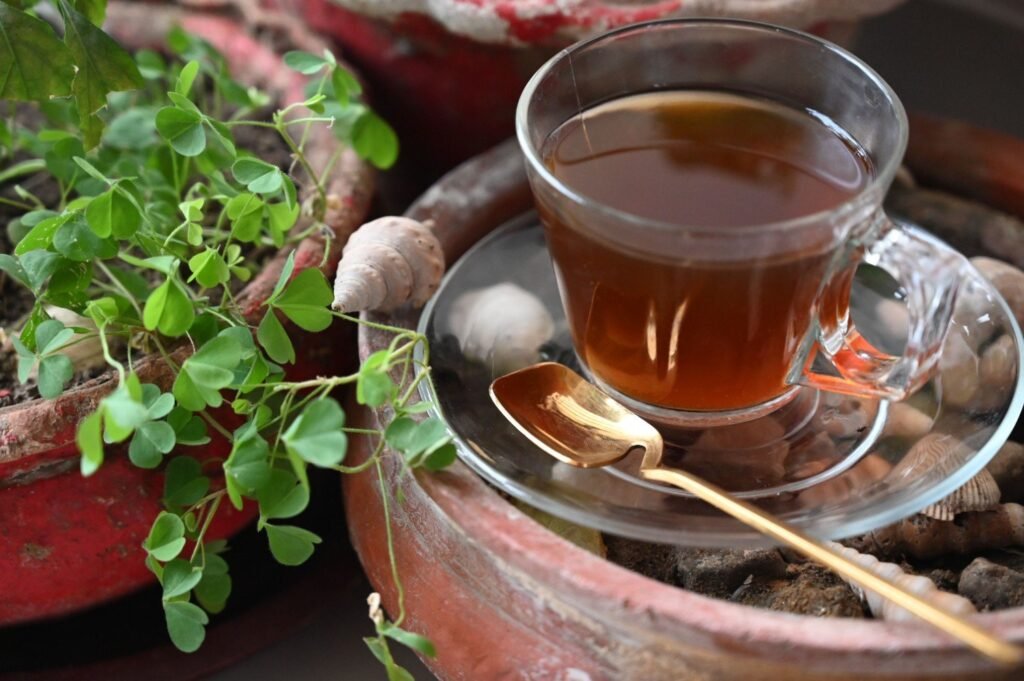
Add an extra slice of fresh ginger and a pinch of turmeric to the steep. This version leans warm and spiced, and it’s the one most people reach for during cold and flu season.
🧊 Variation 2 — Iced Moringa Cold-Brew
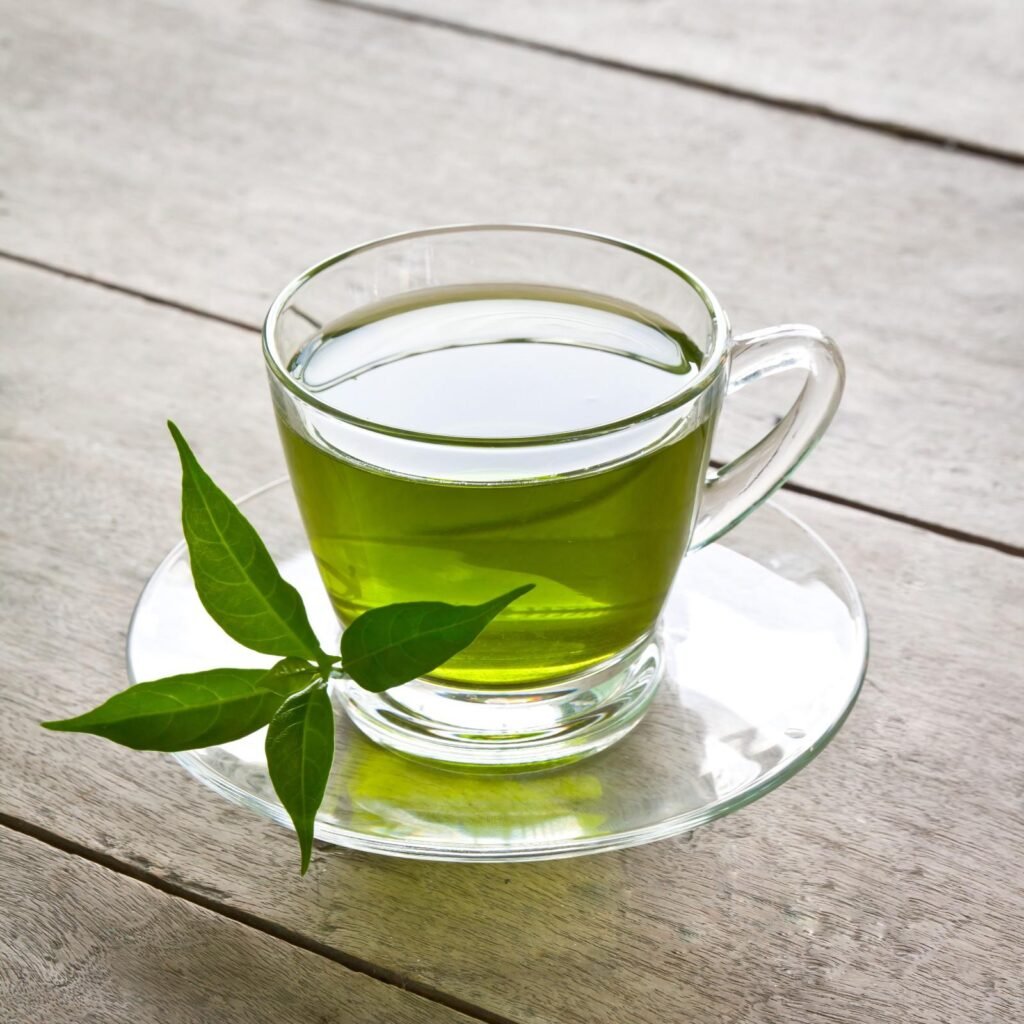
Steep 2 tablespoons of dried moringa leaves in 4 cups of cold water overnight in the fridge (8–12 hours). Strain, add lemon slices, and serve over ice. Cold-brewing produces a noticeably smoother, less bitter cup than hot steeping, since fewer tannins are extracted at lower temperatures.
🥭 Variation 3 — Moringa-Matcha Blend
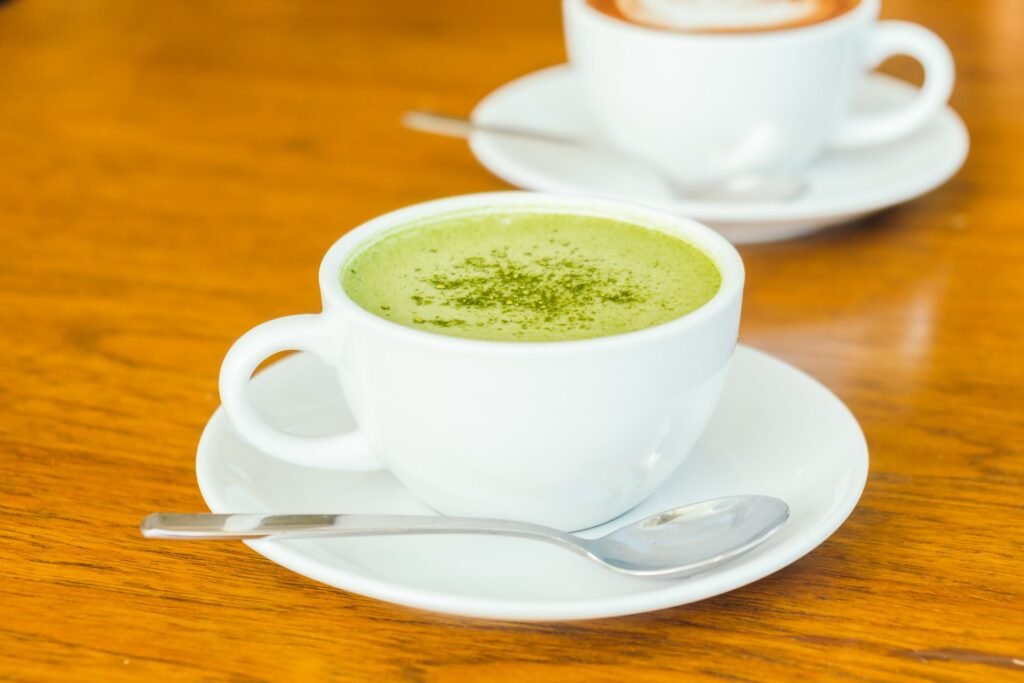
Combine ½ teaspoon of moringa powder with ¼ teaspoon of matcha in hot water, whisked together rather than steeped. This gives you a double dose of plant antioxidants and a slightly more energizing cup, closer to a green tea latte in character.
Storage & Prep Guide
Moringa tea is genuinely easy to keep on hand, provided you store the dried leaves correctly.
- Store dried moringa leaves or tea bags in an airtight container, away from direct light and heat — a kitchen cabinet works better than a spot near the stove
- Properly stored dried leaves stay potent for up to 12 months, though flavor and nutrient content are best within the first 6 months
- Brewed tea can be refrigerated for up to 3 days — pour it into a sealed jar or bottle once cooled
- Avoid leaving brewed tea at room temperature for more than a few hours, as it will start to lose its fresher, brighter flavor
- If using moringa powder instead of leaves, whisk it directly into warm water rather than steeping — powder disperses instantly and doesn’t need straining
What Moringa Tea Actually Does for Your Body
This is the part where a lot of articles start throwing around vague claims like “detoxifies” or “boosts immunity” without explaining anything. Let’s actually walk through what’s going on here, because moringa’s reputation is backed by a fairly unusual nutrient profile for a leaf.
It’s dense in vitamins and minerals relative to its size. Moringa leaves contain notable amounts of vitamin C, vitamin A, calcium, potassium, and iron. Gram for gram, dried moringa leaf compares favorably to many common fruits and vegetables on several of these — which is part of why it’s used as a nutritional supplement in regions where access to a varied diet can be limited.
It’s rich in plant antioxidants. Moringa leaves contain compounds like quercetin and chlorogenic acid, the same types of antioxidants found in green tea and coffee, which help the body manage everyday oxidative stress — the kind that comes from normal metabolism, pollution exposure, and general wear and tear on your cells over time.
It may help support healthy blood sugar levels. Several small studies have looked at moringa’s effect on blood sugar, and a number of them suggest it may help moderate post-meal glucose spikes. This isn’t a substitute for medical treatment of diabetes or blood sugar conditions, but it’s part of why moringa tea is often recommended as a gentle addition to a balanced diet rather than a stimulant-heavy alternative to coffee.
It has a mild, gentle effect on digestion. Unlike stronger herbal teas, moringa tends to sit easily with most people, and the addition of ginger (in the variation above) can further support digestive comfort, particularly after a heavy meal.
It’s naturally caffeine-free. This matters more than people give it credit for. Because moringa tea has no caffeine, it doesn’t come with the afternoon crash or the sleep disruption that coffee or black tea can cause, which is exactly why it works so well as an evening or bedtime drink — something you genuinely can’t say about most “energizing” superfood teas.
Balance tip: Moringa tea is a supplement to a healthy diet, not a replacement for one. Its benefits are real, but they’re incremental and cumulative — the kind of thing you notice after weeks of regular drinking, not after one cup.
How to Take Moringa Tea
There’s no single “correct” way to drink moringa tea, but a few practices consistently produce a better experience:
- Start with one cup a day. If you’re new to moringa, begin with a single daily serving for the first week before increasing, simply to see how your body responds.
- Use fresh, high-quality dried leaves. Old, stale moringa loses both flavor and potency. Buy from a source with reasonable turnover, and check that the leaves are a vibrant green rather than a faded, dull olive color.
- Pair it with vitamin C. As mentioned above, the lemon juice isn’t just for taste — it meaningfully improves iron absorption from the tea.
- Don’t oversteep or over-boil. This bears repeating because it’s the single biggest reason people end up disliking moringa tea after one try.
- Combine it with food when trying it for digestion support. Drinking a cup after a meal, rather than on an empty stomach, tends to sit better for most people just getting used to the taste and effect.
When to Take Moringa Tea
Timing genuinely changes how you’ll experience this tea, and different times of day suit different goals.
- Morning: A cup of moringa tea first thing in the morning, in place of or alongside coffee, offers a gentler, caffeine-free way to start the day without the jittery energy spike and crash.
- Midday: Drinking it between meals, ideally 30–60 minutes before or after eating, is a good general-purpose time that avoids interfering with mineral absorption from your food.
- Evening: Because it’s naturally caffeine-free, moringa tea is one of the few “healthy” teas that’s genuinely suitable before bed. Many people find a warm cup in the evening pairs well with winding down, especially with the ginger or mint variation.
- Avoid drinking it on a completely empty stomach if you have a sensitive digestive system. While most people tolerate it fine, a small number of people report mild stomach discomfort when moringa tea is the very first thing they consume in the morning with nothing else in their system.
Frequently Asked Questions
Does moringa tea taste bitter? It can, if brewed with water that’s too hot or steeped for too long. Made correctly — just below boiling, steeped for 8–10 minutes, finished with lemon and honey — it has a mild, earthy, slightly sweet flavor that most people find quite approachable.
Can I drink moringa tea every day? Yes, for most healthy adults, one to two cups a day is a commonly recommended amount. As with any herbal supplement, it’s worth checking with a healthcare provider first if you’re pregnant, nursing, on blood-thinning or blood-sugar medication, or managing a chronic health condition, since moringa can interact with certain medications.
What’s the difference between moringa leaf tea and moringa powder? Leaf tea is steeped and strained, giving a lighter, more traditional tea experience. Powder is whisked directly into water (similar to matcha) and gives you the whole leaf, including fiber, in a more concentrated form — slightly more intense in both flavor and effect.
Can I add milk to moringa tea? You can, though it’s not traditional. A plant-based milk like oat or almond works nicely if you want something closer to a latte, especially in the moringa-matcha variation above.
Is moringa tea good for weight management? There’s no strong evidence that moringa tea directly causes weight loss on its own. What it can do is serve as a low-calorie, nutrient-dense, caffeine-free alternative to sugary drinks or extra cups of coffee, which indirectly supports a healthier overall pattern of eating and drinking.
Final Word
Moringa tea rewards the same kind of small patience that a lot of good things do — the right water temperature, a steep time that respects the leaf instead of fighting it, and a finishing touch of lemon and honey that turns “healthy but bland” into something you’ll actually look forward to. Skip those details, and you’ll get a cup that tastes like most people’s disappointing first try. Get them right, and you’ll understand exactly why this “miracle tree” has held onto its reputation for so many centuries.
Put the kettle on. Ten minutes is really all it takes.
Disclaimer: This article is for informational purposes only and does not constitute medical or nutritional advice. Please consult a healthcare provider or registered dietitian before adding moringa tea to your routine, especially if you are pregnant, nursing, or taking medication.