Health
Natural Testosterone Boosters: 10 Ways to Increase Testosterone Naturally
Natural Testosterone Boosters: If you’ve been dragging through your afternoons, losing motivation at the gym, or noticing your drive isn’t what it used to be, you’ve probably typed “how to increase testosterone naturally” into a search bar at least once. You’re in good company. Testosterone is one of the most talked-about hormones online, and unfortunately, one of the most oversold.
Let’s cut through the noise. Testosterone is the main male sex hormone, and it does far more than power your sex drive. It helps build muscle and bone, regulates fat distribution, supports red blood cell production, and influences mood and energy. Levels naturally drift down by roughly 1% a year after about age 30, but lifestyle plays a surprisingly big role in how steep that slide is.
This guide covers ten practical, evidence-informed ways to support your levels without a prescription. Some are boringly simple. Almost none involve a magic pill. If you’re also thinking about your long-term health, you’ll find our longevity lifestyle guide a good companion read.
What Is Normal Testosterone, Anyway?
Before changing anything, it helps to know what you’re aiming for. A typical adult male total testosterone range sits roughly between 300 and 1,000 ng/dL, and many guidelines treat consistent readings below about 300 ng/dL (along with symptoms) as low. Levels swing during the day, peaking in the morning, so a single reading can mislead. Doctors usually want two early-morning blood tests before diagnosing low testosterone.
Common signs of low testosterone include:
- Persistently low energy or fatigue
- Reduced sex drive or erectile difficulties
- Loss of muscle mass despite training
- Increased belly fat
- Low mood, irritability, or trouble concentrating
- Reduced bone density over time
Here’s the catch: all of these also show up with poor sleep, stress, depression, thyroid problems, and sleep apnea. So symptoms alone don’t prove anything. That’s why testing matters, and we’ll come back to it.
1. Sleep Like It’s Your Job
If you only fix one thing on this list, make it sleep. Most of your daily testosterone production happens while you’re asleep, and the research on this is striking. In a well-known University of Chicago study published in JAMA, healthy young men who slept just five hours a night for a week saw their daytime testosterone drop by 10 to 15 percent. That’s the kind of decline you’d normally expect from aging a decade or more.
What helps in real life:
- Aim for 7 to 9 hours, and keep a consistent bedtime, even on weekends.
- Keep your bedroom cool, dark, and quiet.
- Stop screens about an hour before bed, or at least dim them.
- Cut caffeine by early afternoon.
- If you snore heavily, wake up exhausted, or your partner notices you stop breathing at night, get checked for sleep apnea. It’s strongly linked with low testosterone, and treating it can help.
The Sleep Foundation has practical, well-sourced tips if you struggle to wind down.
2. Lift Heavy Things (Regularly)
Resistance training is probably the most reliable natural way to nudge testosterone in the right direction, and it also protects the muscle and bone that low testosterone tends to erode. Compound movements that recruit large muscle groups, like squats, deadlifts, bench presses, rows, and overhead presses, seem to give the best hormonal response.
Be realistic, though. A single workout produces a short-lived bump, and long-term changes in baseline levels are modest in healthy men. The bigger win is indirect: lifting helps you lose fat, improve insulin sensitivity, and sleep better, all of which support healthy testosterone.
A simple starting plan:
- Strength train 3 to 4 times a week.
- Focus on 4 to 6 compound lifts per session.
- Use challenging weights for sets of roughly 5 to 10 reps.
- Rest 1 to 2 minutes between sets.
- Progress gradually. Adding a little weight or a rep over time beats ego lifting.
Short bursts of high-intensity interval training (HIIT) can help too, but more isn’t better. Endless endurance training without enough recovery or food can actually push testosterone down.
3. Lose Excess Body Fat
This one’s not fun to hear, but it matters. Fat tissue contains an enzyme called aromatase that converts testosterone into estrogen. More body fat means more conversion, and lower testosterone. Low testosterone then makes it easier to gain fat. It’s a frustrating loop.
The encouraging part is that the loop runs in both directions. Studies in men with obesity and type 2 diabetes show that weight loss, especially through lifestyle changes, can meaningfully raise testosterone. You don’t need to chase a six-pack. Even losing 5 to 10 percent of your body weight can help.
Avoid crash diets, though. Severe calorie restriction can lower testosterone in the short term. Go for a modest deficit, enough protein, and steady progress.
4. Eat Enough, and Eat Well
Your hormones need raw materials. Eating too little, or cutting fats too aggressively, can work against you. Fats, including saturated and monounsaturated, are involved in hormone production, and very low-fat diets have been associated with lower testosterone in some studies.
A hormone-friendly plate usually looks like this:
- Protein: eggs, fish, chicken, lean meat, lentils, paneer, Greek yogurt
- Healthy fats: olive oil, nuts, seeds, avocado, fatty fish
- Complex carbs: oats, brown rice, millets, sweet potatoes, fruit
- Plenty of vegetables: for fiber and micronutrients
Nothing fancy. A Mediterranean-style pattern keeps coming up as a good fit for hormonal and metabolic health. It’s also the same eating approach we recommend in our post on fermented foods for gut health, since gut health and metabolic health are tightly connected.
5. Get Enough Zinc and Vitamin D
Two nutrients show up repeatedly in testosterone research.
Zinc is essential for testosterone production, and deficiency is linked with low levels. If you’re already getting enough, extra zinc won’t supercharge anything. Good food sources include oysters, red meat, poultry, pumpkin seeds, chickpeas, and cashews. The adult recommended intake is about 11 mg a day for men, and the upper limit is 40 mg, since too much can cause nausea and interfere with copper absorption. The NIH has a clear zinc fact sheet with details.
Vitamin D works more like a hormone than a vitamin, and low levels are very common, including in sunny countries. In India, studies regularly find widespread deficiency, largely due to indoor lifestyles and covered skin. Some research links low vitamin D to lower testosterone, though trials of supplementation give mixed results. A blood test will tell you where you stand. See the NIH’s vitamin D fact sheet for safe intake levels.
The rule of thumb: fix a deficiency, but don’t assume more is better.
6. Tame Your Stress
When you’re stressed, your body releases cortisol. Chronically high cortisol can suppress the signals that tell your testes to make testosterone. It also wrecks your sleep, increases cravings, and encourages belly fat. Basically, it’s a quiet saboteur.
You can’t eliminate stress, but you can build in recovery:
- Walk outside for 20 to 30 minutes a day.
- Try breathing exercises, meditation, or yoga. Even five minutes helps.
- Protect time for hobbies and friends.
- Set boundaries around work, especially late-night emails.
- Consider talking to a counselor if anxiety or low mood feels heavy.
Mental health and testosterone influence each other, so don’t brush this one off as “soft.”
7. Go Easy on Alcohol
A drink here and there isn’t going to wreck your hormones. Heavy or regular drinking is a different story. Alcohol can impair testicular function, disrupt sleep quality, and raise cortisol. Binge drinking has been shown to lower testosterone acutely.
If you want a simple target, keep to moderate amounts (no more than one or two drinks on a given day, with several alcohol-free days a week), or cut back further if you notice your energy and drive suffering. Many men are surprised how much better they feel after a month off.
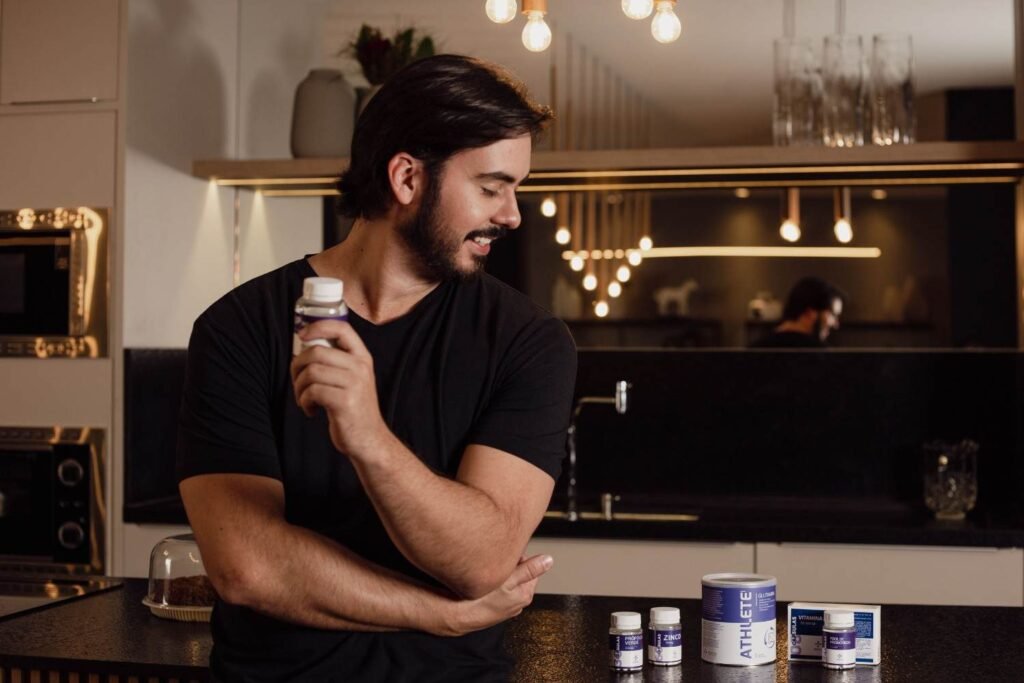
8. Be Smart About Supplements
The supplement aisle is full of “testosterone boosters.” Most are overhyped. Here’s an honest rundown:
- Ashwagandha: Some small trials suggest modest increases in testosterone and reductions in stress, especially in stressed or overweight men. Evidence is promising but limited, and it can interact with thyroid and other medications.
- Vitamin D and zinc: Useful if you’re deficient, as covered above.
- Magnesium: May help with sleep and may support testosterone in active people; evidence is early.
- Tongkat ali, fenugreek, D-aspartic acid: Results are inconsistent and the quality of studies varies.
Supplements aren’t tightly regulated in many countries, so quality varies. Choose third-party-tested brands, tell your doctor what you’re taking, and never treat a pill as a substitute for sleep, food, and training. And please stay away from anything promising “pharmaceutical-level results.” That’s usually a red flag.
9. Limit Exposure to Hormone-Disrupting Chemicals
This area is still being researched, so I’ll keep my claims modest. Some everyday chemicals, including certain phthalates and bisphenols found in plastics and personal-care products, are classified as endocrine disruptors and may interfere with hormone signaling. The effects in real-world doses are still debated.
Low-effort, low-risk steps:
- Don’t microwave food in plastic containers; use glass or ceramic.
- Avoid storing hot food or water in soft plastic.
- Choose fragrance-free products where practical.
- Wash fruits and vegetables well, and buy fresh food more often than highly processed packaged items.
None of this requires paranoia. Think of it as sensible housekeeping.
10. Prioritize Sex, Sunlight, and Social Connection
Last on the list, but not least. Regular sexual activity is associated with healthy hormone levels and mood, and feeling connected to a partner or friends buffers stress. Morning sunlight helps regulate your body clock, which in turn supports sleep and hormones. Competitive, social activities like team sports can also give short-term testosterone bumps, and they’re a lot more fun than another solo treadmill session.
What Doesn’t Work (Or Isn’t Worth Your Money)
Be wary of:
- “Testosterone boosting” gummies or powders with proprietary blends and no clear dosing.
- Unregulated prohormones or SARMs. These can cause liver damage, shut down your own production, and affect fertility.
- Online clinics that hand out testosterone therapy after a quick questionnaire. TRT can suppress sperm production and has real risks, so it should follow proper blood work and discussion with a qualified doctor.
When to See a Doctor
Lifestyle changes help, but they won’t fix everything. See a doctor if:
- You have persistent symptoms even after improving sleep, diet, and exercise for a few months.
- You have unexplained erectile dysfunction, breast tissue growth, very small or shrinking testicles, or loss of body hair.
- You’re struggling to conceive with your partner (low sperm count and low testosterone aren’t the same thing, but both are worth checking).
- You’ve had a head injury, are on opioids or steroids, or have a chronic condition like diabetes.
A doctor can check morning total testosterone, free testosterone, LH, FSH, prolactin, thyroid function, and other causes. The Mayo Clinic’s overview of male hypogonadism is a solid read to prepare for that appointment.
A Simple Weekly Plan to Get Started
If all ten points feel like a lot, start here:
- Set a fixed bedtime and protect 7 to 8 hours.
- Lift weights three times this week.
- Swap one processed meal a day for a protein-and-veggie-based meal.
- Walk for 20 minutes after dinner.
- Cut your alcohol in half.
- Book a vitamin D and basic blood work check if you haven’t had one in a year.
Do that for 8 to 12 weeks before judging. Hormones don’t respond overnight.
Final Thoughts
Raising testosterone naturally isn’t about a secret trick. It’s the compound effect of things you probably already know matter: sleep, strength training, a healthy weight, decent food, and lower stress. The nice part is that these same habits make you healthier in general, whether or not your numbers change dramatically.
If your efforts don’t move the needle and symptoms persist, get checked, because that’s not a failure, just information. Your health is worth that conversation.
Disclaimer: This article is for general information only and isn’t medical advice. Talk to a qualified healthcare professional before starting supplements or if you suspect a hormone problem.