Nutrition
The Best Foods to Eat While Taking GLP-1 Medications
If you’ve recently started a GLP-1 medication like semaglutide (Ozempic, Wegovy) or tirzepatide (Mounjaro, Zepbound), you’ve probably noticed something strange: food just doesn’t call to you the way it used to. Maybe you’re full after half a plate. Maybe the thought of your old favorite takeout makes your stomach turn. Maybe you’re wondering whether you’re eating enough at all.
That’s a very normal experience, and it’s also the moment where what you eat matters a lot more than it did before. When your appetite is smaller, every bite has to work harder for you.
This guide walks through the best foods to eat while taking GLP-1 medications, how to build meals that are easy on your stomach, how to protect your muscle, and which foods tend to cause trouble. It’s written in plain language, with practical ideas you can use tonight.
Important: this article is general information, not personal medical advice. Your prescriber and a registered dietitian know your health history, so please involve them in your plan.
First, How Do GLP-1 Medications Change Eating?
GLP-1 stands for glucagon-like peptide-1, a hormone your gut naturally releases after you eat. These medications mimic it (tirzepatide also mimics a second hormone called GIP). They do several things at once:
- They tell your brain you’re full, which reduces hunger and “food noise.”
- They slow gastric emptying, meaning food leaves your stomach more slowly.
- They help your body release insulin more appropriately when blood sugar rises.
The upside is easier weight loss and better blood sugar control. The downside is that slower digestion can bring nausea, bloating, constipation, reflux and, for some people, diarrhea. It also means you may accidentally undereat, especially protein, fiber, vitamins and minerals.
The NIDDK (National Institute of Diabetes and Digestive and Kidney Diseases) has patient-friendly resources on weight management and prescription medicines, and the American Diabetes Association offers nutrition guidance for people managing blood sugar.
The Big Goal: Eat Less, But Eat Better
When you’re eating far fewer calories, three risks show up:
- Losing muscle along with fat. Some of the weight lost on these medications can be lean mass, which isn’t ideal for strength, metabolism or long-term health.
- Falling short on nutrients. Smaller portions can mean less iron, calcium, B vitamins and fiber.
- Digestive misery. Greasy, heavy or very sweet foods sit longer in a slowed stomach.
So the strategy is simple: prioritize protein, add fiber gradually, stay hydrated, choose gentle and nutrient-dense foods, and eat small portions more often if needed.
1. Protein: Your Number One Priority
If there’s one nutrient to focus on, it’s protein. It helps you feel satisfied, supports muscle maintenance and gives your body the raw materials to repair itself. Many dietitians suggest building each meal and snack around a protein source, and some recommend higher daily targets than the standard minimum for people losing weight. The right number depends on your weight, kidney health, age and activity, so ask your care team or dietitian for a personal target.
Easy, gentle protein choices:
- Eggs (scrambled, soft-boiled, egg-white omelets)
- Greek yogurt or skyr (plain is best; add fruit yourself)
- Cottage cheese or ricotta
- Skinless chicken or turkey (baked, poached, or shredded)
- Fish such as salmon, cod, tuna and sardines
- Tofu, tempeh and edamame
- Lentils, chickpeas and beans (start small if you’re prone to bloating)
- Lean beef, pork tenderloin or ground turkey
- Milk, kefir or unsweetened soy milk
- Protein powder in smoothies or soups, if food feels too filling
Tip: If your stomach fills up quickly, eat your protein first, then vegetables, then starches. That way, your limited space goes to the most important foods.
2. Fiber: Helpful, But Build Up Slowly
Constipation is one of the most common complaints on GLP-1 medications because digestion slows down and appetite often shrinks along with water and fiber intake. Fiber helps, but a sudden jump can make bloating worse, so increase gradually and drink more water as you do.
Good fiber sources:
- Berries, pears, apples with skin, kiwi and oranges
- Oats, barley and quinoa
- Chia seeds and ground flax
- Beans, lentils and peas
- Vegetables: carrots, zucchini, spinach, broccoli (cooked is gentler than raw)
- Avocado
- Whole grain bread or brown rice
Adults generally need roughly 25 to 38 grams a day, according to the Dietary Guidelines for Americans, though many people fall well short. If you’d like an easy, tasty way to add more, try our high-fiber smoothie recipes for gut health, which are soft, sippable and portion-friendly.
3. Hydration: The Underrated Basic
Because you feel less thirsty and less hungry, it’s easy to become mildly dehydrated. That can worsen constipation, headaches, dizziness and fatigue, and it can make nausea feel worse. Vomiting or diarrhea makes it more urgent.
Ways to hydrate that don’t feel like a chore:
- Keep a water bottle with you and sip steadily instead of chugging.
- Add lemon, cucumber or mint if plain water bores you.
- Try herbal teas, especially ginger or peppermint.
- Have broth, soups or diluted electrolyte drinks on rough days.
- Eat water-rich foods such as melon, cucumber, oranges and berries.
If you can’t keep fluids down for a day or notice signs of dehydration, such as very dark urine, dizziness, or a racing heart, contact your healthcare provider.
4. Gentle, Easy-to-Digest Foods for Nausea Days
Nausea tends to be worst when you first start or raise your dose. On those days, simple beats fancy.
Foods that many people tolerate well:
- Plain crackers, toast or rice
- Bananas and applesauce
- Broth-based soups
- Oatmeal
- Baked or boiled potatoes
- Plain chicken or turkey
- Yogurt or kefir
- Cold or room-temperature foods, which often smell less strongly than hot ones
- Ginger tea, ginger chews or fresh ginger in hot water
Habits that help:
- Eat slowly and stop at the first sign of fullness. Overeating is a common trigger for nausea.
- Choose smaller portions more frequently, like 4 to 6 mini meals.
- Avoid lying down for a couple of hours after eating.
- Sit upright, sip fluids between meals rather than during them if you feel bloated.
5. Healthy Fats, in Moderation
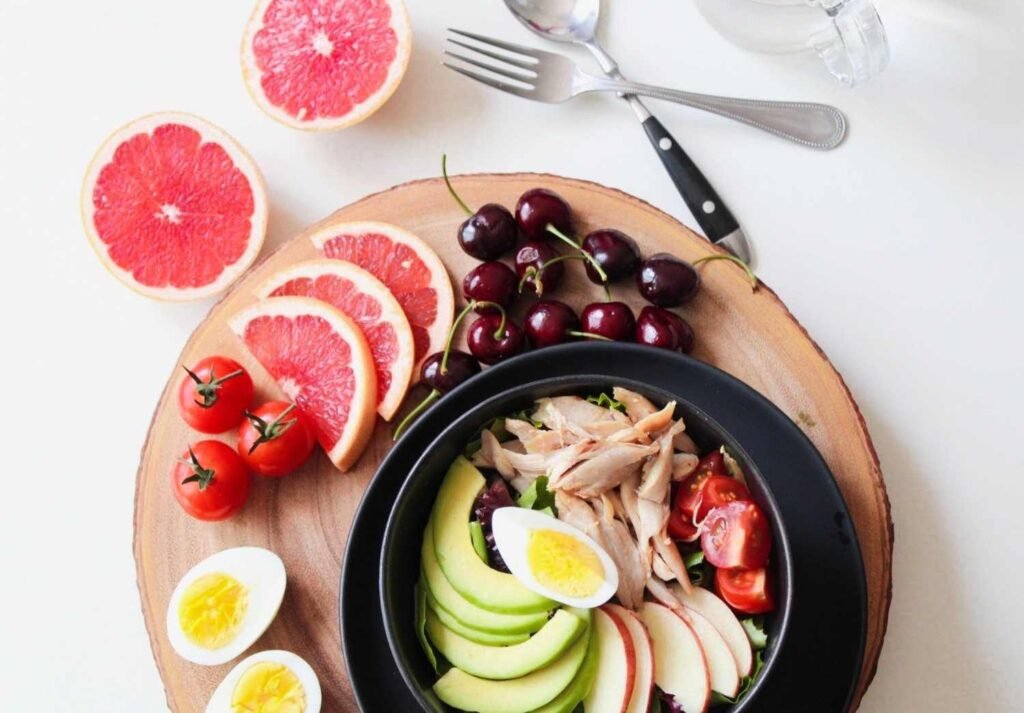
Fat isn’t the enemy, but large amounts can sit heavily in a slowed stomach. The trick is choosing the right types and keeping portions modest.
Good options:
- Olive oil drizzled over vegetables or fish
- Avocado (a few slices)
- Nuts and nut butter (a small handful or a spoonful)
- Seeds like chia, flax, pumpkin and hemp
- Fatty fish, such as salmon, for omega-3s
Save deep-fried and very greasy dishes for rare occasions, if at all.
6. Colorful Fruits and Vegetables
When calories drop, it’s easy to miss vitamins, minerals and antioxidants. Vegetables and fruit are the simplest way to keep your nutrient density up without overwhelming your stomach.
If raw salads feel too heavy, try:
- Roasted or steamed vegetables
- Blended soups
- Stir-fries with lots of veg and lean protein
- Smoothies with spinach, berries and yogurt
- Vegetable-loaded omelets or frittatas
Aim for variety across the week: leafy greens, orange and red produce, cruciferous vegetables, berries and citrus.
7. Smart Carbohydrates
You don’t need to avoid carbs, but the type matters. Slow-digesting, fiber-rich carbohydrates give you steady energy and keep your gut moving.
Better picks: oats, brown rice, quinoa, sweet potatoes, whole-grain bread, beans, lentils, fruit.
Things to go easy on: sugary drinks, pastries, white bread in large amounts, candy and other refined sweets. These can cause quick spikes, and for some people on GLP-1s, sweet or rich foods bring on nausea or “dumping-like” discomfort.
Foods and Drinks That Often Cause Trouble
Everyone’s tolerance is different, but these are the usual suspects to limit or test carefully:
- Fried and greasy foods: fast food, heavy cream sauces, fatty meats. They linger and can cause nausea, reflux or diarrhea.
- Very sugary foods and drinks: soda, sweet coffee drinks, desserts and juice.
- Alcohol: it can worsen nausea, dehydrate you, affect blood sugar and hits harder when you’re eating less. Many people find they simply tolerate it less. Talk to your provider about what’s safe for you.
- Carbonated drinks: bubbles can add to bloating and reflux for some.
- Very spicy foods: they can trigger heartburn.
- Large meals: even healthy food can cause discomfort if you eat too much at once.
- Highly processed snacks: chips, cookies and packaged pastries are easy to eat but low in nutrition.
Keep a quick food diary for a couple of weeks. Patterns often appear fast, like “greasy dinner equals awful night.”
Sample Day of Eating on a GLP-1 Medication
This is only an example, not a prescription. Portions should match your appetite and your care team’s advice.
Breakfast: Two scrambled eggs with spinach and a slice of whole-grain toast, or Greek yogurt with berries and chia seeds.
Mid-morning snack: A small cottage cheese cup with sliced peach, or a protein smoothie.
Lunch: Chicken and vegetable soup, or a small bowl of quinoa with grilled chicken, cucumber and olive oil.
Afternoon snack: A few almonds and an apple slice, or hummus with carrot sticks.
Dinner: Baked salmon, roasted sweet potato and steamed green beans.
Evening (if hungry): A small bowl of kefir or warm herbal tea.
Notice how each mini meal includes protein, and most include fiber. That’s the pattern to copy, whatever specific foods you like.
Don’t Forget Strength Training
Food is only half of protecting your muscle. Resistance exercise, meaning weights, bands, bodyweight moves or heavy carrying, signals your body to hold onto lean mass. Even two short sessions a week can make a difference. Pair that with daily walking, which also supports digestion and mood.
If you’re new to strength work, start light and consider a session or two with a qualified trainer or physical therapist. Our article on how to lower cortisol naturally also explains how to balance exercise and recovery so you don’t overload your body while eating less.
Vitamins, Minerals and Supplements
Because you’re eating less overall, some people benefit from certain supplements, but this is very individual. Talk to your provider or dietitian about:
- A basic multivitamin, especially if your intake is very low
- Vitamin B12, particularly if you also take metformin
- Vitamin D, calcium and iron, depending on blood tests and diet
- Fiber supplements, like psyllium, if food isn’t enough (introduce slowly, with plenty of water)
- Protein powder or shakes, when meals are hard to finish
Getting blood tests periodically can show whether you’re running low on anything. The NIH Office of Dietary Supplements is a trustworthy source for checking doses and safety.
Tips for Eating Out and Social Events
Life doesn’t pause when you start a GLP-1, and neither do birthdays, work dinners or family meals. A few tricks:
- Check the menu ahead and choose protein-forward dishes.
- Order an appetizer-sized portion or share a main.
- Ask for sauces on the side.
- Eat slowly, and box leftovers without guilt.
- Say “I’m full” without apology. Your body isn’t being rude.
Warning Signs: When to Call Your Doctor
Most side effects settle as your body adjusts, but contact your healthcare provider promptly if you experience:
- Severe or persistent stomach pain, especially with vomiting (which can occasionally signal pancreatitis or gallbladder problems)
- Vomiting that prevents you from keeping fluids down
- Signs of dehydration
- Yellowing skin or eyes, or very pale stools
- Any symptoms of an allergic reaction
- Feeling very weak, dizzy or faint, or blood sugar concerns if you also take insulin or other diabetes medicines
The FDA publishes safety information on prescription drugs, and your prescriber is your best contact for personal guidance.
What Happens After You Stop?
Many people wonder about the long term. Research so far suggests that weight often returns after stopping these medications if habits aren’t sustained, which is why building good eating patterns now matters. The same principle applies to other diets, and we explain how appetite and weight can shift in our guide to what happens when you stop intermittent fasting.
Frequently Asked Questions
What should I eat first on a GLP-1 medication?
Start with protein at each meal, then vegetables, then carbs. That way, your limited stomach space goes to the most valuable nutrients.
What foods should I avoid on Ozempic or Wegovy?
Many people feel better limiting fried, greasy, very sugary, very spicy and heavily processed foods, plus alcohol and carbonated drinks. Individual tolerance varies.
How much protein do I need on a GLP-1?
It depends on your body size, health and goals. Many dietitians aim for a higher-protein pattern than average during weight loss. A registered dietitian can give you a personal number.
Can I still eat carbs?
Yes. Choose fiber-rich carbs like oats, beans, fruit and whole grains, and go easy on sugary and refined ones.
What helps GLP-1 nausea?
Smaller meals, eating slowly, bland foods, ginger, cold foods and avoiding greasy or very sweet dishes. If nausea is severe or constant, tell your prescriber.
How can I prevent constipation on a GLP-1?
Drink more fluids, increase fiber gradually, stay active and ask your provider about safe stool softeners or fiber supplements if needed.
Do I need to take supplements?
Not always, but a multivitamin or specific nutrients may help if your intake is very low. Ask your provider and check blood work.
The Bottom Line
GLP-1 medications can be a powerful tool, but they work best alongside nourishing food. Focus on protein first, build up fiber slowly, drink enough fluid, choose gentle foods when your stomach is unhappy, and keep moving with some strength training. You don’t need a perfect plan, only a steady pattern of small, nutrient-rich meals that leave you feeling well.
Work with your prescriber and a registered dietitian, who can tailor everything to you. You can also find nationwide dietitians through the Academy of Nutrition and Dietetics.
Related reading on Guide Blogs:
- High-Fiber Smoothies for Gut Health: 10 Recipes
- What Happens When You Stop Intermittent Fasting?
- How to Lower Cortisol Naturally: What Actually Works
Disclaimer: This article is for educational purposes only and is not a substitute for professional medical advice, diagnosis or treatment. Always consult your healthcare provider before changing your diet or medication.