Diet
What Happens When You Stop Ozempic or Mounjaro?
GLP-1 medications like Ozempic (semaglutide) and Mounjaro (tirzepatide) have reshaped how millions of people approach weight management over the past few years. Nearly one in five adults with obesity in the U.S. has now used a GLP-1 drug at some point. But as more people reach the end of a prescribed course — whether by choice, cost, side effects, or supply issues — a question is coming up more and more: what actually happens when you stop?
The answer used to seem simple and discouraging. Newer, larger studies published in 2026 have complicated that picture in some genuinely useful ways. Here’s what the research actually shows, not what the headlines imply.
How These Drugs Work, Briefly
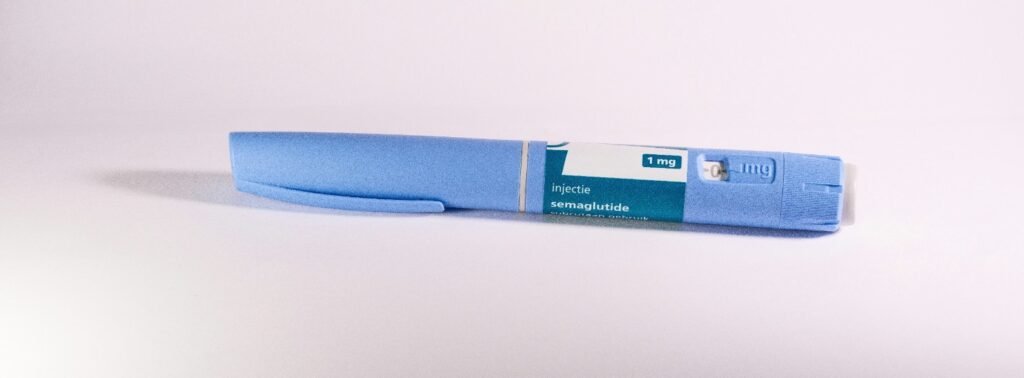
Ozempic and Mounjaro belong to a class of medications that mimic hormones your gut naturally releases after eating — primarily GLP-1, and in Mounjaro’s case, also GIP. These hormones slow stomach emptying, increase feelings of fullness, and reduce appetite signals from the brain. They don’t just change your willpower around food; they change the underlying biology of hunger. That’s precisely why stopping the medication can feel like flipping a switch back to your pre-treatment appetite almost overnight — because in a very real sense, that’s exactly what’s happening.
The Original, Alarming Data
The first wave of research on stopping GLP-1 drugs came primarily from randomized controlled trials, and it wasn’t encouraging. Multiple trials found that patients who discontinued semaglutide or tirzepatide regained more than half of their lost weight within 12 months. A large 2026 systematic review and meta-analysis published in The BMJ, covering 37 studies and more than 9,300 adults, found that people regained an average of about 0.4 kg per month after stopping weight-loss medication, putting most people back at their starting weight within roughly 1.7 years — and for the newer, more potent drugs specifically, the timeline was even faster, closer to 1.5 years, according to coverage of the BMJ study on weight regain after stopping medication. For comparison, that same review found people coming off diet-and-exercise-only programs took nearly four years, on average, to return to their starting weight — meaning the pace of regain after stopping medication was roughly four times faster.
The More Reassuring Real-World Data
Here’s where the story gets more interesting. A large 2026 study from the Cleveland Clinic, analyzing real-world health records from nearly 8,000 patients across Ohio and Florida, found a meaningfully different pattern than the earlier randomized trials. Patients treated for obesity had lost an average of 8.4% of their body weight before stopping semaglutide or tirzepatide, and one year later, had regained just 0.5% of that weight on average. Patients originally treated for type 2 diabetes did even better — they continued losing an additional 1.3% of body weight in the year after stopping, according to findings published in Diabetes, Obesity and Metabolism and reported by Cleveland Clinic.
Why such a different result from the earlier trials? The researchers pointed to a key difference between clinical trial conditions and real-world care: in everyday practice, patients have more flexibility. Many who stop taking one GLP-1 drug restart it later, switch to a different obesity treatment, or lean more heavily on lifestyle support like dietitians and exercise coaching — none of which is typically available in the same way inside a tightly controlled trial protocol. Even so, the real-world data wasn’t uniformly positive: 55% of the obesity-treatment group did gain some weight back in the year after stopping, while 45% maintained or continued losing. In other words, weight regain after stopping isn’t universal, but it also isn’t rare — you’re looking at roughly a coin flip in terms of who trends upward versus who doesn’t, at least in this dataset.
What Actually Happens Physically When You Stop
Beyond the scale, a few specific things tend to happen in the body once the medication clears your system, typically within a few weeks given the long half-life of these drugs:
Appetite returns, often abruptly. Because the drugs directly suppress hunger signaling, many people describe their appetite coming back “like a switch flipping,” sometimes within one to two weeks of the last dose, rather than a slow gradual return.
Stomach emptying speeds back up. One of the mechanisms behind the drugs’ appetite-suppressing effect is delayed gastric emptying — food sits in your stomach longer, keeping you full. Once that effect wears off, food moves through more quickly, which contributes to feeling hungry sooner after meals.
Blood sugar control may shift, especially for those without diabetes. For people who were using these drugs off-label for weight loss without an underlying diabetes diagnosis, blood sugar regulation generally returns to its prior baseline, though this varies based on how much metabolic improvement occurred during treatment.
Cardiovascular markers may drift back toward baseline. Some research tracking heart health markers alongside weight after stopping GLP-1 drugs has found that improvements in blood pressure and cholesterol tend to move back toward pre-treatment levels over time as weight is regained, according to reporting on this pattern from New Atlas covering post-medication cardiovascular changes.
Muscle mass concerns become more relevant. A notable finding from 2025 research is that a meaningful portion of weight lost on semaglutide isn’t fat — some studies suggest up to 40% of total weight lost can come from lean muscle tissue, particularly in women and older adults. If muscle wasn’t actively preserved through resistance training and adequate protein intake during treatment, the composition of any weight regained after stopping may skew more toward fat than muscle, which is a less favorable trade even if the number on the scale looks similar to before.
The Muscle-Protein Connection
This muscle loss risk connects directly to a topic worth taking seriously whether you’re on a GLP-1 medication or coming off one: protein intake and resistance training aren’t optional extras, they’re a core part of protecting your long-term metabolic health. Since appetite is suppressed on these drugs, many people unintentionally under-eat protein simply because they’re not that hungry at any given meal. Prioritizing protein-dense foods during treatment — and especially in the weeks after stopping, when appetite rebounds — can help ensure that any weight regained trends toward muscle recovery rather than pure fat gain. Our guide to the best high-protein foods for weight loss and muscle health is a useful reference point for building meals that support this.
Semaglutide vs. Tirzepatide: Does the Drug Matter?
Ozempic and Wegovy (semaglutide) target a single hormone pathway, GLP-1. Mounjaro and Zepbound (tirzepatide) target two, GLP-1 and GIP, which is part of why tirzepatide tends to produce somewhat greater average weight loss during active treatment in head-to-head comparisons. Whether that translates into a meaningfully different regain pattern after stopping is less clear — the research directly comparing post-discontinuation outcomes between the two drugs is still limited, and most of the larger studies referenced above grouped both medications together rather than analyzing them separately. Anecdotally, some clinicians report that patients on tirzepatide describe a somewhat more gradual appetite return after stopping compared to semaglutide, but this hasn’t been rigorously confirmed in controlled research and shouldn’t be treated as an established difference yet.
The Psychological Side of Stopping
Beyond the physical mechanisms, there’s a psychological dimension to stopping these medications that research is only beginning to explore in depth. For many people, GLP-1 drugs are the first tool that has ever made food noise — the constant mental preoccupation with what, when, and how much to eat — go quiet. When that quiet is disrupted by returning hunger signals, it can feel less like “regular hunger” and more like a loss, sometimes triggering anxiety, frustration, or a sense of failure that has little to do with actual willpower or effort. Clinicians who work with patients through this transition often emphasize preparing for this psychological shift in advance, rather than being caught off guard by it, and normalizing that a return of appetite is a physiological response to medication withdrawal, not a personal shortcoming.
Side Effects That May Resolve After Stopping
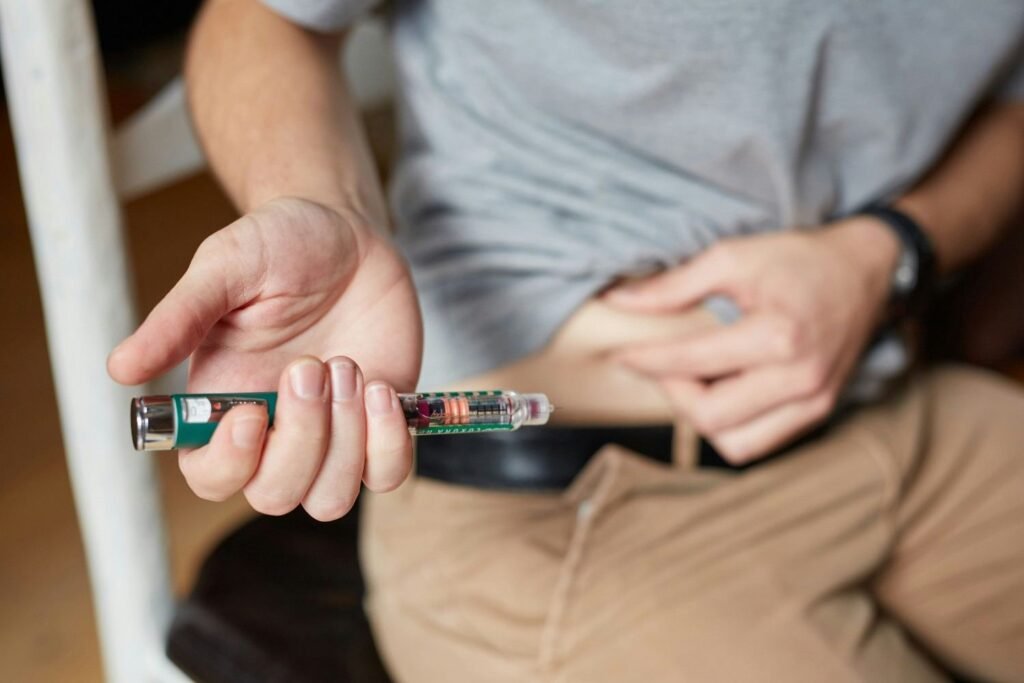
It’s not all one-directional loss when stopping these medications — some of the more unpleasant side effects that can accompany GLP-1 treatment, including nausea, constipation, fatigue, and in some cases hair thinning associated with rapid weight loss, typically improve or resolve within a few weeks of discontinuation as the drug clears your system. For people who found these side effects difficult to tolerate during treatment, this is a genuine, if underdiscussed, silver lining to stopping — and worth weighing against the appetite and weight considerations above when making a decision with your doctor.
Insurance and Cost as a Driver of Discontinuation
It’s worth acknowledging something the research keeps surfacing but that doesn’t get enough attention: a significant portion of people who stop these medications don’t do so by clinical choice — they stop because of cost or insurance coverage changes, particularly when the medication was prescribed for weight management rather than diabetes, where coverage tends to be more consistent. This matters for interpreting the research, because someone who stops abruptly due to a lapse in coverage, with no time to plan a transition, may have a different experience and outcome than someone who tapers off deliberately with medical guidance and a maintenance plan already in place. If cost is the barrier for you, it’s worth discussing patient assistance programs, lower-dose maintenance strategies, or alternative medications with your prescriber before assuming discontinuation is the only option.
Why Some People Regain Faster Than Others
Individual variation in these studies is significant, and a few factors seem to influence where someone lands on the spectrum between “minimal regain” and “rapid rebound”:
- How the medication is stopped. Abrupt discontinuation appears to produce a sharper appetite rebound than a gradual taper, though research directly comparing tapering strategies is still limited.
- Whether lifestyle habits were built during treatment. Patients who used the appetite-suppressed window to build new habits — smaller portions, more protein, regular movement — tend to hold onto more of those habits after stopping than those who relied entirely on the drug’s appetite effect without addressing behavior.
- Underlying condition. As the Cleveland Clinic data shows, people originally treated for diabetes and people treated for obesity without diabetes show meaningfully different regain patterns, suggesting the underlying metabolic condition plays a role.
- Ongoing support. Continued access to dietitians, exercise specialists, or the option to restart or switch medication all correlated with better maintenance of results in the real-world data, compared to being cut off from all support at once.
- Gut health and inflammation. Some newer research has explored whether a “gut reset” — focusing on fiber and microbiome-supportive foods — may help blunt the rebound in weight gain after stopping, echoing broader research on the gut microbiome’s role in weight management that applies well beyond just medication use.
What This Means If You’re Planning to Stop
If you’re considering stopping a GLP-1 medication, a few evidence-informed steps are worth discussing with your doctor:
- Ask about tapering rather than stopping abruptly, if that’s medically appropriate for your situation.
- Prioritize protein and resistance training in the weeks before and after stopping, to protect muscle mass during the transition.
- Build sustainable habits during treatment rather than treating the drug as a standalone fix — the appetite-suppressed period is a genuine opportunity to establish patterns that outlast the medication itself.
- Know that restarting is often an option. Both the Cleveland Clinic data and clinical experience suggest many people who see weight trending back up choose to resume treatment or switch medications, and this is a normal, medically supported part of managing a chronic condition rather than a personal failure.
- Don’t assume regain is inevitable — but don’t assume it won’t happen either. The honest summary of the current research is that outcomes vary widely, and real-world support structures seem to matter as much as the biology itself.
The Bottom Line
The research on stopping Ozempic or Mounjaro has genuinely evolved. Early randomized trials suggested rapid, near-universal weight regain, but larger real-world studies from 2026 paint a more mixed picture — some people maintain their results well, particularly with continued support, while others see the weight trend back upward, sometimes quickly. What’s consistent across nearly every study is that these medications work best as part of a broader, ongoing approach to health rather than a standalone intervention with a defined end point. If you’re thinking about stopping, that conversation belongs with your doctor, ideally with a plan for what comes next already in place.
This article is for informational purposes and isn’t a substitute for individualized medical advice. Talk to your doctor before starting, stopping, or changing any prescription medication.