Nutrition
Why Is Gut Health So Important for Weight Loss?
For a long time, weight loss advice boiled down to “eat less, move more.” That’s not wrong, exactly, but it’s incomplete. Over the past decade, a growing body of research has pointed to something most people never think about when they step on a scale: the trillions of bacteria living in their gut. It turns out your microbiome — the ecosystem of bacteria, fungi, and other microbes in your digestive tract — plays a real role in how efficiently you extract energy from food, how hungry you feel, and even how your body stores fat.
This isn’t fringe science anymore. It’s the subject of major university trials, peer-reviewed journals, and increasingly, mainstream nutrition advice. Here’s what the research actually says, and what you can do with that information.
Your Gut Bacteria Influence How Many Calories You Absorb
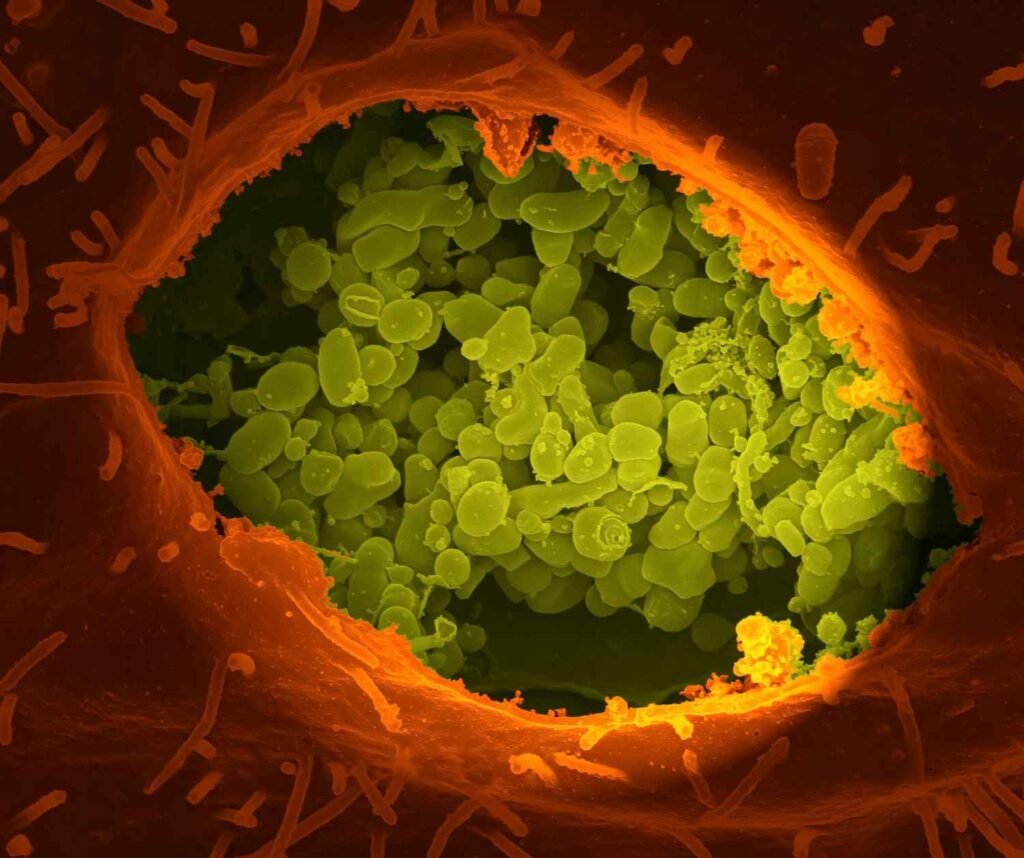
One of the more surprising findings in this field is that two people can eat the exact same meal and extract different amounts of usable energy from it, depending on the composition of their gut bacteria. Certain bacterial populations — particularly some strains within the Firmicutes phylum — appear to be more efficient at extracting calories from food than others. In practical terms, this means gut composition could partly explain why some people seem to gain weight more easily than others eating similar diets, according to this detailed explainer on what the science actually says about gut microbiome and weight loss in 2026.
Short-Chain Fatty Acids and Appetite Control
When your gut bacteria ferment fiber from foods like vegetables, legumes, and whole grains, they produce compounds called short-chain fatty acids (SCFAs) — butyrate, propionate, and acetate being the main ones. These aren’t just fermentation byproducts; they actively influence hormones like GLP-1 and PYY, both of which send fullness signals to your brain. This is a big part of why a fiber-poor, highly processed diet tends to leave people hungrier: it starves the very bacteria responsible for producing the compounds that help you feel satisfied.
This mechanism connects directly to something we cover in our guide to the best high-protein foods for weight loss and muscle health — pairing protein with fiber-rich foods like lentils and vegetables isn’t just about feeling full in the moment; it’s feeding the bacterial processes that help regulate hunger over the following hours.
The Gut-Inflammation-Weight Connection
A less-discussed but important piece of the puzzle involves intestinal permeability, sometimes referred to informally as “leaky gut.” When the gut lining becomes more permeable — often due to a diet low in fiber and high in processed foods — bacterial components can slip into the bloodstream and trigger low-grade, chronic inflammation. This kind of inflammation is associated with insulin resistance and metabolic dysfunction, both of which make weight loss noticeably harder and weight gain more likely over time, as described in this review of gut microbiome and obesity management published in Food Science & Nutrition.
Chronic stress makes this worse. Elevated cortisol can itself disrupt gut barrier function and shift microbial balance, which is one more reason managing stress isn’t just a “mental health” recommendation — it’s a metabolic one too. If you haven’t already, it’s worth reading our explainer on what cortisol is and how it affects your body to see how closely stress, gut health, and weight are linked.
“Good” Bacteria vs. “Bad” Bacteria
Large-scale microbiome research projects, including work from the nutrition science company ZOE, have identified dozens of bacterial species associated with lower body weight and dozens more associated with weight gain and excess abdominal fat. One consistent pattern researchers point to is the ratio between two major bacterial groups — Prevotella and Bacteroides — which may help predict how easily a person loses weight on a given diet, according to ZOE’s research summary on gut health and weight loss. People with obesity also tend to have less diverse gut bacteria overall compared to people at a moderate weight, and diversity itself appears to be protective — the more varied your bacterial population, the more resilient your metabolic system tends to be.
How to Actually Improve Your Gut Health
The good news is that your microbiome is remarkably responsive to diet — changes can show up within days, not months. A few evidence-backed strategies:
Eat More Fiber, From a Variety of Sources
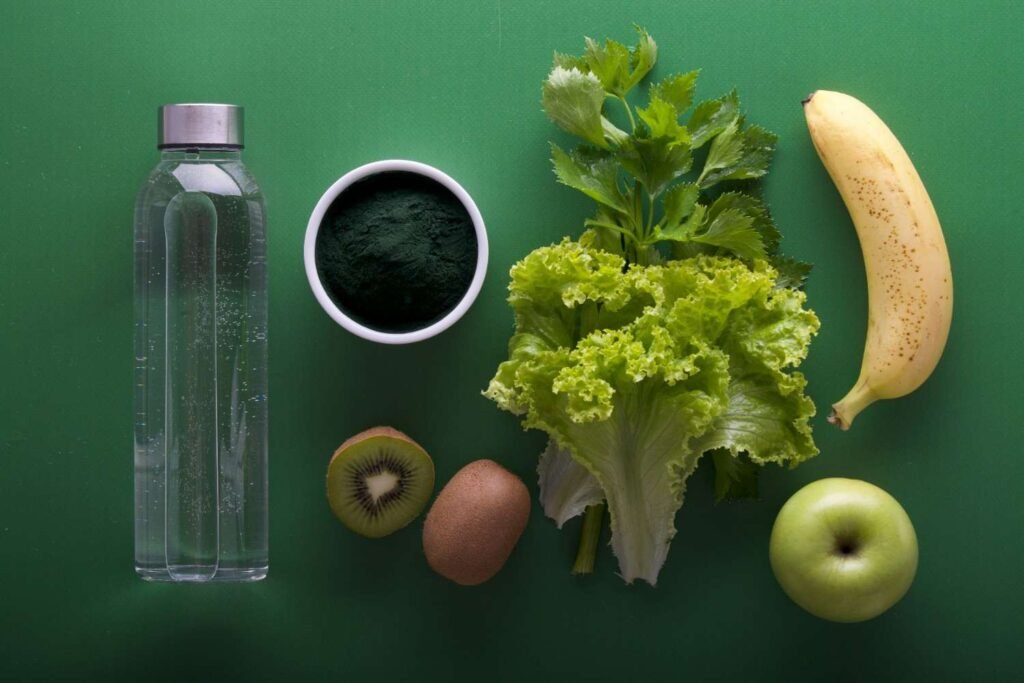
Different fibers feed different bacterial species, so variety matters more than volume alone. Rotate through vegetables, fruits, legumes, whole grains, nuts, and seeds rather than relying on the same two or three fiber sources every week.
Add Fermented Foods
Yogurt (with live cultures), kefir, sauerkraut, kimchi, and other fermented foods introduce beneficial bacteria directly. Research on synbiotics — combinations of probiotics and the prebiotic fiber that feeds them — has shown they can shift gut flora more effectively than either one alone, increasing beneficial bacteria like Bifidobacteria and Lactobacilli while reducing less favorable species.
Don’t Overdo Protein at the Expense of Fiber
This is a subtle but important point for anyone following a high-protein weight-loss plan: very high-protein, low-fiber diets can lead to excessive protein fermentation in the colon, which may alter gut microbiome composition in less favorable ways. The fix isn’t to eat less protein — it’s to make sure fiber-rich carbohydrates and vegetables stay part of the plan rather than getting crowded out.
Limit Ultra-Processed Foods
Emulsifiers, artificial sweeteners, and other additives common in ultra-processed foods have been shown in various studies to disrupt the gut barrier and shift microbial balance in ways linked to inflammation and weight gain.
Consider a Prebiotic-Rich Approach Before Reaching for Supplements
Prebiotic fibers — found naturally in foods like garlic, onions, asparagus, oats, and bananas — feed the beneficial bacteria already living in your gut. A 2024 intervention study found that combining prebiotics with a low-carbohydrate, adequate-protein, adequate-fiber diet led to statistically significant improvements in body composition after three months, alongside favorable shifts in gut bacteria. Food-based approaches like this tend to be more sustainable and better studied than most probiotic supplements currently on the market.
Manage Stress and Sleep
It’s easy to treat gut health as a purely “food in, food out” system, but it’s deeply connected to your nervous system. Poor sleep and chronic stress both alter gut motility and microbial diversity. If you’re eating well but still struggling, it’s worth looking at your sleep — we cover exactly how sleep and appetite are connected in our piece on whether better sleep can help you lose weight.
The Gut-Brain Axis and Cravings
There’s another layer to this story that goes beyond calorie extraction and inflammation: your gut bacteria communicate directly with your brain through what researchers call the gut-brain axis. Certain bacterial species produce neurotransmitters or their precursors — including a meaningful share of the body’s serotonin, which is largely produced in the gut rather than the brain itself. An imbalanced microbiome has been associated in various studies with increased cravings for sugar and refined carbohydrates, partly because certain less-favorable bacterial strains actually thrive on simple sugars and may influence signaling that drives you to seek out more of them. This creates a feedback loop: eating more sugar feeds the bacteria that crave sugar, which in turn drives more cravings, making it harder to break the cycle without a deliberate dietary shift toward fiber and whole foods.
Gut Health and Metabolic Rate
Beyond appetite regulation, there’s emerging evidence that gut bacteria influence resting metabolic rate itself — not just how hungry you feel, but how efficiently your body burns energy at rest. Some SCFAs, particularly butyrate, appear to support mitochondrial function in muscle and fat tissue, which plays into how efficiently your body converts food into usable energy versus storing it. This is still an active area of research, and it’s not yet established well enough to generate specific dietary recommendations beyond “eat more fiber,” but it helps explain why two people with similar diets and activity levels can have meaningfully different metabolic outcomes.
Antibiotics and Gut Recovery
One underappreciated factor in gut health and weight management is antibiotic use. Antibiotics are sometimes lifesaving and necessary, but they don’t discriminate between harmful and beneficial bacteria, and a single course can measurably reduce microbial diversity for weeks or even months afterward. Some observational research has linked frequent antibiotic use, especially in childhood, to a higher long-term risk of weight gain, theoretically because it disrupts the microbial populations that would otherwise help regulate metabolism and appetite. If you’ve recently finished a course of antibiotics, it’s a particularly good time to lean into fiber-rich foods and fermented foods to help repopulate beneficial bacteria more quickly.
Does Everyone Need a Probiotic Supplement?
Probiotic supplements are a multi-billion-dollar industry, and it’s tempting to assume popping a capsule is a shortcut to the benefits described above. The evidence is more mixed than marketing suggests. Different probiotic strains have different, strain-specific effects, and a supplement that helped in one clinical trial may use a completely different strain than the one sitting on a store shelf. For most healthy people without a specific digestive complaint, getting fiber and fermented foods from your actual diet appears to be at least as effective as, and often more sustainable than, a generic supplement — and it comes with the added benefit of other nutrients that a capsule simply can’t provide. Supplements may still have a role for specific situations, such as after antibiotic use or for certain diagnosed digestive conditions, but they shouldn’t be viewed as a replacement for dietary fiber diversity.
What the Research Doesn’t Yet Support
It’s worth being honest about the limits here. Gut microbiome research has moved fast, but the gap between legitimate science and supplement marketing claims is still large. No probiotic pill will “fix” weight gain caused by a calorie surplus, and there’s currently no reliable at-home test that can tell you exactly which bacteria to target for guaranteed fat loss. The microbiome is one meaningful piece of a much bigger picture that still includes calorie balance, activity levels, sleep, stress, and genetics.
A Simple Weekly Approach to Better Gut Health
If all of this feels like a lot to implement at once, it helps to think in terms of small weekly additions rather than an overnight overhaul:
Pick one new plant food per week. Whether it’s a new vegetable, a legume you haven’t tried, or a whole grain like farro or barley, novelty matters because different fibers feed different bacterial species. Eating the same three vegetables on repeat, even if they’re healthy, caps how diverse your microbiome can become.
Add one fermented food to your routine. A daily serving of plain yogurt or kefir, or a spoonful of sauerkraut alongside dinner a few times a week, is a low-effort way to introduce beneficial bacteria without overhauling your entire diet.
Batch-cook a legume-based dish. A pot of lentils or a big batch of chickpeas cooked at the start of the week gives you an easy fiber-and-protein addition to salads, grain bowls, or soups without extra daily effort.
Track how you feel, not just the scale. Bloating, energy levels, and regularity often shift before body weight does when gut health improves, and those signals are worth paying attention to as early feedback that your changes are working.
The Bottom Line
Your gut isn’t just along for the ride during weight loss — it’s an active participant. A diverse, fiber-fed microbiome helps regulate the hormones that control hunger, reduces the low-grade inflammation that makes fat loss harder, and may even influence how many calories you extract from the food you eat. You don’t need an expensive supplement stack to support it: eating a wide variety of fiber-rich plants, adding fermented foods, cutting back on ultra-processed products, and managing stress and sleep will take you most of the way there.