Nutrition
Gut Health: 10 Foods That Support Your Gut Microbiome Naturally
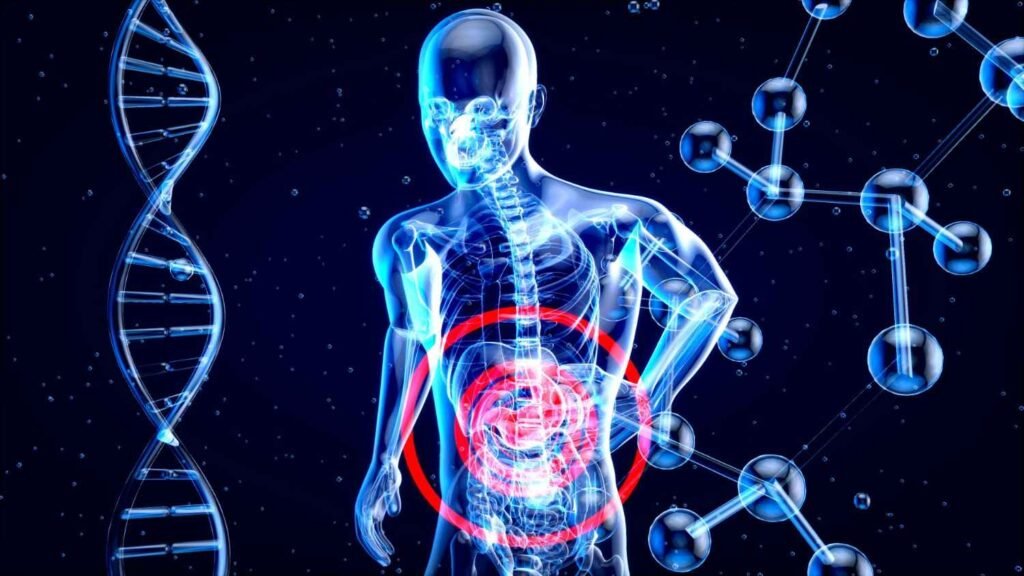
Let’s start with something that sounds slightly ridiculous but is completely true: you are a walking ecosystem. Inside your digestive tract — mostly in the large intestine — live somewhere around a hundred trillion microorganisms. That’s more bacteria, fungi, and other tiny residents than you have cells. They’re not freeloaders, either. This community, called your gut microbiome, helps digest food, keeps your immune system on its toes, produces some vitamins, and talks to your brain more than we fully understand.
And here’s the part that makes everything about gut health feel hopeful rather than hopeless: you get to feed all of them. Literally. Every meal is a vote for one set of organisms over another. You can’t change your genetics, but you can absolutely change who’s living in your gut — and pretty quickly, too. This article is a practical tour of the ten foods that do the heaviest lifting for a healthy microbiome, why they work, and how to actually get them into a normal life.
The Two Words You Keep Hearing: Prebiotics and Probiotics
Before we get to the food, it helps to understand the two sides of the gut-health coin, because every “gut health” trend eventually boils down to one of them.
Probiotics are the live microorganisms themselves — the beneficial bacteria you add to your gut when you eat fermented foods like yogurt, kefir, kimchi, and sauerkraut. Think of them as new good tenants.
Prebiotics are the food those bacteria live on — plant fibers and starches your body can’t fully digest but your microbes absolutely can. Oats, garlic, onions, beans, bananas. Think of prebiotics as the groceries you stock for your tenants. Harvard’s nutrition experts put it beautifully: probiotics are like pets — you can bring them home, but you still have to feed them. Adding both to your life is a much better strategy than chasing one.
Got it? Good. Now the food.
The 10 Foods That Support Your Gut Microbiome

1. Yogurt and Kefir
Yogurt is the most common source of probiotics in Western diets for good reason — it’s everywhere, it’s cheap, and it works. And kefir, the tart, drinkable fermented milk product, packs even more strains and more live cultures per serving than most yogurts. The key word every label trick is designed to make you ignore is live. Look for the words “live and active cultures” on the container; many commercial yogurts are sweetened, flavored, and heat-treated in ways that leave the good stuff dead on arrival. Also keep an eye on sugar — a “fruit on the bottom” yogurt can sneak a dessert’s worth of sugar into what you think is a health food. Plain, unsweetened, live cultures. That’s the formula.
2. Sauerkraut and Kimchi
Before refrigeration existed, humans fermented vegetables to keep them from rotting. As a happy accident, that process turned cabbage and other veggies into probiotic powerhouses. Real sauerkraut and kimchi are made through lacto-fermentation — naturally occurring bacteria converting the vegetable’s sugars into lactic acid. The catch, and it’s an important one, is that the jars on many supermarket shelves are pasteurized or pickled in vinegar, which kills or omits the live bacteria entirely. Look for “naturally fermented” on the label, or check the refrigerated section where the live stuff usually lives — some brands even advertise the live cultures on the front. A small forkful of sauerkraut beside your lunch sandwich counts, genuinely.
3. Oats
Oats are one of the most reliable prebiotic foods you’ll find, thanks to a particular fiber called beta-glucan. Your gut bacteria ferment it, producing short-chain fatty acids — compounds that seem to keep the gut lining healthy and feed the cells that line your colon. Add to that the fact that oats are a whole grain, affordable, and take about zero effort to prepare, and they earn their slot easily. Steel-cut or rolled oats beat the instant packets on fiber and added sugar, but honestly, even ordinary oatmeal is a step in the right direction if that’s what you’ll actually eat.
4. Garlic and Onions
These two get grouped together because they’re the same food family and they do the same trick: they’re loaded with inulin and fructans, a class of prebiotic fibers that feed Bifidobacteria — one of the friendliest strains in your gut. The evidence is solid enough that Harvard lists garlic and onions among the best prebiotic foods you can buy. The practical problem is that most people use them as flavor accents rather than actual foods. A clove of garlic sautéed into tomatoes is more garlic than many meals get. Which is a shame, because this one’s easy: cook with onion and garlic at scale, throw them into sauces, stir-fries, and soups, and you’ve upgraded your microbiome without thinking about it.
5. Bananas — Especially a Little on the Green Side
Bananas are a two-for-one. They contain prebiotic fibers that survive their way down to your large intestine to feed good bacteria, and they’re a decent source of something called resistant starch — a type of starch that resists digestion and behaves like fiber. Here’s the fun part: the greener the banana, the more resistant starch it has. As bananas ripen, that resistant starch converts to regular sugar. That doesn’t mean you must eat unpleasantly green bananas — it means a slightly underripe banana is doing more for your microbes than a fully spotted one, and both are fine. An easy middle ground: eat them when they’re just turning yellow.
6. Apples
“An apple a day” has annoyed several generations of doctors, but for gut health specifically, there’s substance to it. Apples are rich in pectin — a prebiotic fiber that ferments in the colon and feeds beneficial bacteria, while also having a gentle laxative effect that keeps things moving. The catch is that much of the fiber lives in the skin, so peeled apple slices lose a lot of the point. Keep the skin on, eat the apple whole, and you’ve got one of the simplest microbiome snacks in existence. Apples with peanut butter also happens to be one of the most satisfying afternoon snacks on earth, which helps the habit stick.
7. Beans and Lentils
Beans and lentils might be the most underrated food group in modern Western diets, full stop. They’re protein, they’re fiber, they’re resistant starch, and they’re cheap. The fiber in legumes is exactly the kind your gut microbes feast on. Multiple Harvard nutrition guides point to beans and lentils as core prebiotic sources, and the research keeps finding associations between legume-heavy eating (think Mediterranean-style diets) and a healthier, more diverse microbiome. There’s one trade-off everyone knows about: gas. That’s literally the bacteria working — you’re feeding them, and they’re producing gas as a byproduct of the meal. If you’re new to beans, start small, build up over a few weeks, and let your microbial community adapt rather than quitting on day two.
8. Leafy Greens and Vegetables
The general category of vegetables — the darker and greener the better — feeds your microbes and your health simultaneously. Dark leafy greens bring fiber and a range of plant compounds that gut bacteria convert into beneficial byproducts. The structure of a microbiome-friendly diet is really just a high-fiber, plant-forward eating pattern in disguise. And honestly, this is the overlap with every other healthy-eating conversation you’ve ever had: if you eat a reasonable variety of vegetables each week, your microbiome gets a steadier, more varied food supply. Most people overthink this one. Vegetables aren’t a supplement — they’re the point.
9. Nuts — Walnuts Especially
Nuts show up repeatedly in microbiome research, and walnuts in particular. They deliver fiber, polyphenols, and healthy fats that all make good things happen in the colon. Studies have found that adding almonds or walnuts to the diet shifts gut bacteria in a favorable direction — plus they’re one of the few foods where the evidence for heart, brain, and gut health points the same way at once. Portion control is the only real hazard, because nuts are calorie-dense, and it’s society’s favorite trick to eat them by the handful straight from the bag. A small handful is all you need.
10. Berries
Berries are uncommonly rich in polyphenols — plant compounds that aren’t fully absorbed in the small intestine but get carried down to the colon where microbes process them. When they do, they end up benefiting the gut while leaving behind metabolites that appear to support metabolic health. Berries also bring fiber and water for a food that’s genuinely good for you and genuinely tastes like dessert. Frozen berries are just as good as fresh, often cheaper, and always in season, so there’s no real excuse barrier here. Blueberries in oatmeal, strawberries with breakfast, a handful of raspberries when the 3 p.m. urge hits.
What Matters More Than Any Single Food
Here’s the uncomfortable truth about “superfood” thinking: no single food will rescue your gut, and no single “toxic” food will destroy it. The gut research is remarkably consistent about what actually drives results — and it’s boring in the best way.
Diversity. Different bacteria like different fibers, so a diet built on a narrow rotation of the same five foods, however healthy, under-supports your community. The far more effective goal is a wide variety of plant foods over the week. Researchers who study this have floated the idea of eating thirty different plant foods a week — which sounds intimidating until you realize herbs, spices, nuts, grains, and even coffee count. You don’t need a spreadsheet; just buy a couple of new vegetables at the store and stop eating the same rotation on loop.
Fiber volume, consistently. Your microbes can’t bank fiber for later. Feeding them well once a week does less than feeding them a little every day. Most adults do well aiming for roughly 25 to 38 grams of fiber daily, and most of us currently land closer to half that. If “eat more fiber” is the entire takeaway from this article, it’s a genuinely good one.
Fiber plus fermented. The research gets most excited when people get both the groceries and the good tenants. A 2021 clinical trial — one of the best-designed diet studies on this topic — found that a diet high in fermented foods substantially increased microbiome diversity, while a high-fiber diet shifted metabolic markers. The combination, realistically, is where the money is.
And the flip side: ultra-processed food, excess sugar, and too much saturated fat do the neighborhood no favors. Harvard’s guidance on this is blunt: limit sugar, saturated fat, and processed foods, because they can deplete the good bacteria. You don’t need to become a purist. Just make sure the default world of your diet is plant food, with the occasional processed thing as a guest, not the resident.
What a Day of Gut-Friendly Eating Actually Looks Like
Because lists of ten foods are nice and vague, here’s the tangible version — a rough day that hits most of this list without being a groaning exercise in perfection.
- Breakfast: Rolled oats cooked with milk or water, topped with a sliced banana (barely ripe if you can manage it), a handful of blueberries, and a spoonful of yogurt. That’s three items off the list before 8 a.m.
- Lunch: A bean and lentil soup — the kind you can make in bulk on Sunday — with a forkful of sauerkraut on the side and an apple for after.
- Snack: A small handful of walnuts and some carrot sticks.
- Dinner: Grilled or baked fish with a heap of sautéed leafy greens cooked in olive oil and garlic, with a side of rice and onion.
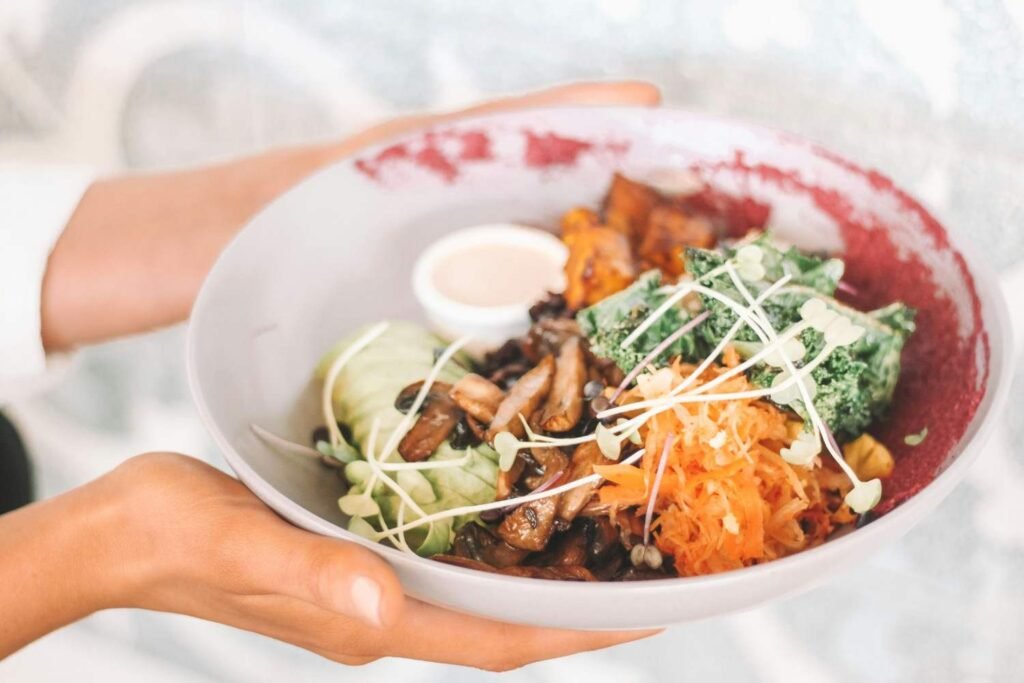
Notice what’s happening: you’re hitting fiber, prebiotics, probiotics, polyphenols, and lots of variety, all without a single “gut health” product in sight. That’s the whole thesis.
Three Things People Waste Money On
While we’re here, a few quick reality checks on the gut-health bandwagon, because the marketing has run far ahead of the science.
Pasteurized “fermented” foods that are actually dead. If your sauerkraut is shelf-stable in a jar in the aisle, it’s probably heat-treated and devoid of live cultures. Harvard’s fermented-food explainer is a useful read on telling the difference. Read labels. Don’t pay the probiotic premium for dead cultures.
Supplements. Probiotic pills aren’t regulated the way you’d hope, the strains and amounts on labels aren’t guaranteed, and the evidence for a healthy person popping them is honestly weak. If you’re struggling with a specific GI condition, talk to a doctor — but for a generally healthy adult, food beats pills, and the money’s better spent on groceries.
Detox teas and “gut cleanses.” Your colon does not need cleaning; it’s designed to clean itself. These products mostly remove money and, in the case of laxative-based ones, water. Save it.
A Caution for Sensitive Guts
One honest caveat: prebiotic-rich foods are not a great idea for everyone, at least not at full speed. People with irritable bowel syndrome, or a history of bloating and gas issues, can find their symptoms flare when fiber and fermentable foods ramp up quickly. The fix isn’t to avoid fiber forever — it’s to start smaller and build gradually, and to work with a doctor or dietitian if your gut is genuinely particular. Slow incremental increase is the strategy, not quitting.
FAQ
How long does it take to change your gut microbiome?
Faster than you’d think. Clinical trials show meaningful shifts in microbiome composition within days to a few weeks of a diet change. It’s not instant, but it’s also not a years-long project — consistency over a couple of months is plenty for most people to feel a difference.
Are probiotics from food really better than supplements?
For most healthy people, yes. Foods bring live cultures alongside all the other nutrients, they’re cheaper, and unlike supplements, they’re not a regulatory gray zone. Harvard’s nutrition department recommends food-based sources over pills for cultivating a robust microbiome.
Can I eat too much fiber?
Ramping up fiber drastically, overnight, will punish you — think bloating, gas, discomfort. That’s an adaptation problem, not a fiber problem. Increase gradually over a few weeks and drink plenty of water, and your community adapts. If discomfort persists even with slow increases and decent hydration, it’s worth a conversation with a doctor.
Does the fermented drink everyone’s drinking actually help?
Kombucha can be part of a fermented-food rotation, but it’s not a magic bullet, and the sugar content varies wildly between brands. Treat it as one option among many — it doesn’t outperform yogurt, kefir, kimchi, or sauerkraut. And while we’re at it, movement helps your gut too; gentle activity keeps the digestive tract moving, which is one of many reasons the case for a short post-meal walk is so strong.
How does gut health connect to the rest of how I feel?
The gut-brain and gut-immunity connections are real and increasingly well documented, which is why feeding this ecosystem well tends to ripple outward — digestion, regularity, energy, even mood and sleep all seem to track with the state of your microbiome. It’s not a cure-all, but it’s arguably the most underrated lever in your daily health.
The Bottom Line
Your gut doesn’t need a juice cleanse, an expensive powder, or a “superfood” you have to order online. It needs what it has always needed: a steady, varied, whole-food diet with plenty of fiber and a few genuinely live fermented foods. Oats, beans, garlic, berries, yogurt, sauerkraut — the list isn’t exotic because the answer isn’t exotic. And that’s the freeing part. Every meal is a small vote. You don’t have to win them all. You just have to keep showing up with the groceries, most days, and your hundred trillion roommates will handle the rest.
This article is for general information and isn’t a substitute for personalized medical advice. If you’re dealing with persistent digestive symptoms, IBS, or any medical condition, please talk to a healthcare professional before making significant changes to your diet.