Lifestyle
Bioavailability: Why Your Body Doesn’t Absorb Every Nutrient You Eat
The Hidden Reason Your “Healthy” Meal Isn’t Giving You What the Label Promises
Category: Nutrition | Read time: ~11 min
You eat a big bowl of spinach and mentally file it away as “iron, taken care of.” A multivitamin promises 100% of your daily zinc. A glass of milk seems like a straightforward win for calcium. On paper, the math looks simple: eat the nutrient, get the benefit. In your actual body, it’s rarely that simple — and the concept that explains the gap between what’s on the label and what your body actually uses is called bioavailability, and it’s one of the most underrated ideas in nutrition.
What Bioavailability Actually Means
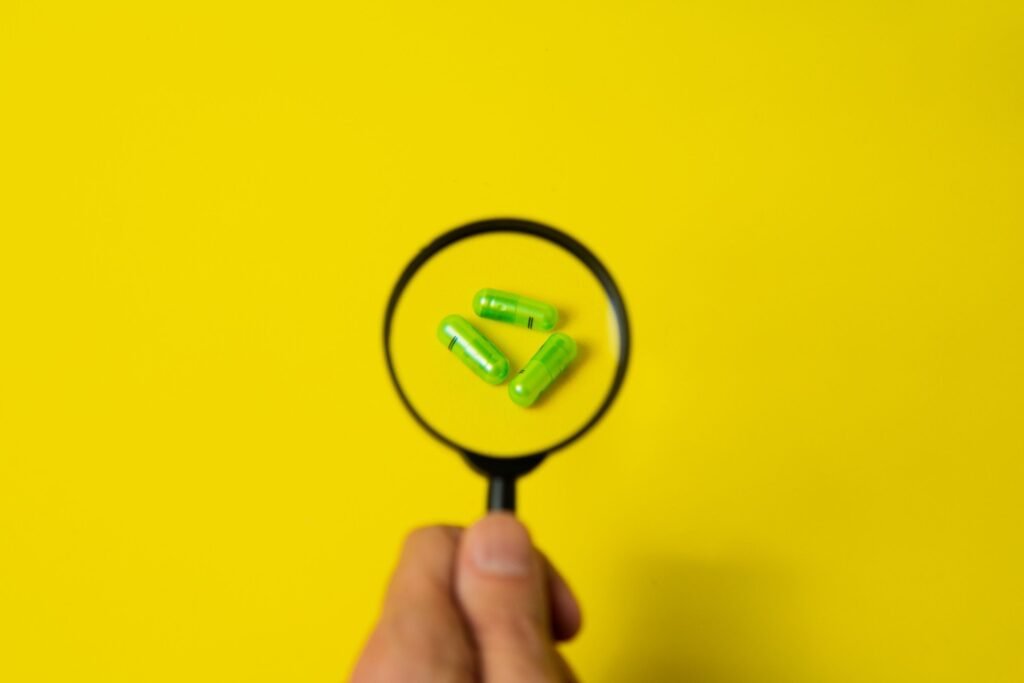
Bioavailability is the proportion of a nutrient from food or a supplement that is actually absorbed and used by the body, as opposed to the amount that simply passes through and is excreted. A food can be objectively rich in a nutrient and still deliver very little of it to your bloodstream, depending on the nutrient’s chemical form, what else you’re eating alongside it, your gut health, and even your genetics.
This is the gap most nutrition labels don’t tell you about. A label lists how much of a nutrient is in the food. It says nothing about how much of that nutrient your body will actually absorb — and for many nutrients, that number can be dramatically lower than people assume.
Consider iron. Spinach contains a respectable amount of iron by weight, but it’s non-heme iron, the plant-based form, which the body absorbs far less efficiently than the heme iron found in red meat — sometimes at a fraction of the rate. That’s not a flaw in spinach; it’s simply how non-heme iron behaves without the right conditions to help it along.
The Main Factors That Control Absorption
1. Chemical Form of the Nutrient
Not all versions of the same nutrient are created equal. Iron comes in heme (animal-based) and non-heme (plant-based) forms, with heme iron typically absorbed far more efficiently. Vitamin E and folate both come in natural and synthetic forms with different absorption rates. Even something as simple as calcium behaves differently depending on whether it’s bound to citrate, carbonate, or naturally present in a food like leafy greens or dairy.
2. What You Eat It With
Nutrients constantly help or hinder each other’s absorption, which is why food pairing matters more than most people realize:
- Vitamin C dramatically boosts non-heme iron absorption. A squeeze of lemon on a lentil salad, or a glass of orange juice alongside a plant-based iron source, can meaningfully increase how much iron actually gets absorbed.
- Fat is required to absorb fat-soluble vitamins. Vitamins A, D, E, and K are fat-soluble, meaning they need dietary fat present to be absorbed at all. A fat-free salad dressing on a vegetable-heavy salad can mean much of the vitamin A and K in those vegetables passes through largely unused.
- Calcium and iron compete for absorption. Taking a calcium supplement at the same time as an iron-rich meal can reduce how much iron gets absorbed, which is why nutritionists often recommend spacing them apart.
- Phytic acid and oxalates can block mineral absorption. These naturally occurring plant compounds, found in whole grains, legumes, nuts, and leafy greens like spinach, bind to minerals such as iron, zinc, and calcium and reduce how much the body can absorb. This doesn’t mean these foods are bad — soaking, sprouting, fermenting, or cooking them significantly reduces phytic acid and oxalate content and improves mineral availability.
- Polyphenols in tea and coffee can reduce iron absorption. Drinking tea or coffee with an iron-rich meal can measurably lower how much iron is absorbed, which is why it’s often recommended to have these beverages between meals rather than alongside iron-focused ones.
3. Your Gut Health
Absorption doesn’t happen in a vacuum — it happens across the lining of your gut, and the health of that lining matters enormously. Conditions that damage or inflame the intestinal wall, like celiac disease, Crohn’s disease, or chronic gut inflammation, can significantly impair nutrient absorption even when someone is eating a nutritionally complete diet. A healthy gut microbiome and an intact intestinal mucus barrier — the same barrier supported by gut bacteria like Akkermansia muciniphila — play a supporting role here too, since a compromised gut lining is associated with poorer nutrient uptake and increased gut permeability.
4. Age, Genetics, and Life Stage
Nutrient absorption efficiency changes across the lifespan. Stomach acid production, which is necessary to absorb vitamin B12 and several minerals, naturally declines with age, which is part of why B12 deficiency becomes more common in older adults. Certain genetic variants affect how efficiently people convert plant-based omega-3s or synthetic folic acid into their active, usable forms. Pregnancy, certain medications (including proton-pump inhibitors and some diabetes medications), and gut surgery can all significantly change how much of a given nutrient gets absorbed.
5. Cooking and Processing
Cooking can improve or reduce bioavailability depending on the nutrient. Cooking tomatoes actually increases the bioavailability of lycopene, an antioxidant that’s more accessible to the body once heat breaks down the plant’s cell walls. On the other hand, some heat-sensitive vitamins, like vitamin C and several B vitamins, degrade with prolonged cooking, meaning steaming or lightly cooking vegetables often preserves more of these nutrients than boiling them for a long time.
Bioavailability by Nutrient: A Quick Reference
| Nutrient | What lowers absorption | What improves absorption |
|---|---|---|
| Iron (non-heme, plant-based) | Tea, coffee, calcium taken simultaneously, phytic acid | Vitamin C-rich foods eaten alongside it |
| Calcium | Excess sodium, high oxalate foods (e.g., raw spinach) | Vitamin D status, spreading intake across the day |
| Zinc | Phytic acid in whole grains and legumes | Soaking, sprouting, or fermenting grains and legumes |
| Vitamin A, D, E, K (fat-soluble) | Very low-fat meals | Eating alongside a source of dietary fat |
| Lycopene (in tomatoes) | Raw, uncooked preparation | Cooking with a small amount of oil |
| Vitamin B12 | Low stomach acid, certain medications, plant-only diets (limited natural sources) | Animal products, fortified foods, or supplements for those with low intake |
| Curcumin (in turmeric) | Taken alone | Combined with black pepper (piperine) and a source of fat |
Why This Matters More Than It Seems
Understanding bioavailability changes how you should think about “eating healthy” in a few important ways.
A nutrient-dense food isn’t automatically a well-absorbed nutrient. This is the single biggest misconception bioavailability corrects. Spinach, lentils, and whole grains are genuinely healthy foods, but their mineral content on a nutrition label overstates what your body will actually extract from them without the right pairings or preparation.
Supplements aren’t automatically well absorbed either. Two supplements with identical labeled doses can behave completely differently in the body depending on their chemical form, whether they’re taken with food, and individual gut health. This is part of why “just take a supplement” isn’t always a reliable substitute for addressing absorption at the level of diet and gut health.
Food combinations matter as much as food choices. A vegetarian meal built around lentils, rice, and a vitamin C-rich vegetable will deliver meaningfully more usable iron than the same lentils eaten alone, even though the iron content on paper hasn’t changed at all.
Gut health is a nutrition issue, not just a digestion issue. A gut lining under chronic stress from inflammation, poor diet, or a depleted microbiome doesn’t just cause discomfort — it can genuinely reduce how much of the nutrients you’re eating ever make it into your bloodstream, tying nutrient absorption directly to the broader gut-health conversation happening across nutrition science right now.
Practical Ways to Improve Your Own Bioavailability
You don’t need a nutrition degree to apply most of this. A few genuinely useful habits:
- Pair plant-based iron sources (lentils, spinach, beans) with a vitamin C source (citrus, bell peppers, tomatoes) in the same meal.
- Add a small amount of healthy fat — olive oil, avocado, nuts — to vegetable-heavy meals to help absorb fat-soluble vitamins.
- Soak, sprout, or ferment beans, grains, and legumes when possible to reduce phytic acid and improve mineral availability.
- Space out tea, coffee, and calcium supplements from iron-rich meals by an hour or two.
- Cook tomatoes with a bit of oil to boost lycopene availability, but keep some vegetables raw or lightly steamed to preserve heat-sensitive vitamins.
- Support overall gut health with fiber, fermented foods, and polyphenol-rich foods, since a healthier gut lining generally supports better nutrient absorption across the board.
Bioavailability and the Supplement Industry’s Blind Spot
The global supplement industry is worth tens of billions of dollars, and much of its marketing leans heavily on labeled dose rather than absorbed dose — a distinction most shoppers never learn to look for. A supplement bottle advertising “1000mg of calcium” says nothing about how much of that calcium your body will actually take up, which depends on the chemical form used, whether it’s taken with food, how much is taken in a single dose (the body absorbs calcium less efficiently in very large single doses), and your individual vitamin D status, since vitamin D is required to absorb calcium effectively in the first place.
This is why some of the more bioavailability-conscious supplement formulations pair specific nutrients together deliberately — vitamin D with calcium, black pepper extract (piperine) with turmeric-derived curcumin, or vitamin C with iron — rather than simply packing in a high dose of a single isolated nutrient and calling it a day. It’s also why two supplements with identical labeled amounts of the same nutrient can produce noticeably different real-world results, and why “more milligrams” on a label is a weaker predictor of actual benefit than most marketing implies.
None of this means supplements are pointless. For nutrients with a poorly absorbed natural form, or for people with diagnosed deficiencies, a well-formulated supplement genuinely helps close a real gap. But it does mean that comparing supplements — or comparing a supplement to a whole food — purely on labeled nutrient content, without considering bioavailability, is comparing the wrong thing entirely.
When Poor Bioavailability Becomes a Clinical Problem
For most healthy people eating a reasonably varied diet, bioavailability differences are a matter of degree — getting somewhat more or less of a nutrient rather than dangerously little. But for certain groups, bioavailability issues can tip into genuine clinical deficiency, which is worth flagging directly.
People following strict plant-based diets are at elevated risk of vitamin B12 deficiency, since B12 in any meaningfully bioavailable, naturally occurring form comes almost exclusively from animal products, making fortified foods or supplementation genuinely necessary rather than optional for long-term vegans. People with celiac disease, Crohn’s disease, or other conditions that damage the intestinal lining often experience malabsorption across multiple nutrients simultaneously, even years after starting an otherwise adequate diet, because the surface area and cellular machinery needed for absorption is itself compromised. Older adults are at elevated risk for B12 and calcium malabsorption due to naturally declining stomach acid production, and people on long-term proton-pump inhibitor medications for acid reflux face a similar risk, since stomach acid plays a meaningful role in releasing several nutrients from food in a form the body can absorb. In each of these cases, understanding bioavailability isn’t just an interesting nutrition fact — it’s the difference between eating what looks like an adequate diet on paper and actually avoiding a diagnosable deficiency.
A Final Word
Bioavailability doesn’t get nearly as much attention as calorie counts or macro ratios, but it might matter just as much for how effective your diet actually is. Two people can eat identical meals and walk away with meaningfully different amounts of usable iron, calcium, or vitamin A in their bloodstream, based on nothing more than what else was on the plate, how the food was prepared, and the state of their gut.
It’s a humbling idea in a lot of ways — that eating “correctly” on paper doesn’t guarantee your body gets what it needs. But it’s also an empowering one, because most of the levers that improve bioavailability are small, free, and easy to apply: a squeeze of lemon, a drizzle of olive oil, a little more attention to what’s on the plate next to the food you’re already eating.
Related Articles
- Is Personalized Dieting Better Than One-Size-Fits-All Diet Plans? — how individual absorption differences feed into personalized nutrition
- Akkermansia: Why Everyone Is Talking About It — the gut bacteria linked to a stronger, more absorptive gut lining
- Are Food Warning Labels the Next Big Weapon Against Ultra-Processed Food? — another look at what nutrition labels do and don’t tell you
- Food as Medicine — how whole foods deliver benefits that go beyond a nutrient panel
External References
- National Institutes of Health, Office of Dietary Supplements: Iron Fact Sheet
- National Institutes of Health, Office of Dietary Supplements: Vitamin B12 Fact Sheet
Disclaimer: This article is for informational and educational purposes only and is not a substitute for professional medical or nutritional advice. Please consult a registered dietitian or healthcare provider regarding any suspected nutrient deficiency.