Diet
Ultra-Processed Foods: Are They Really the Biggest Problem in the Modern Diet?
Published on GuideBlogs | Nutrition & Health
A few years ago, I started paying closer attention to what I was actually eating — not in a calorie-counting, obsessive way, but just reading labels out of curiosity. And the more I read, the more confused I got. Why did a simple loaf of bread have fourteen ingredients? Why did a “healthy” granola bar contain three different types of sweetener plus something called “carrageenan”? And why, despite eating what I thought was a reasonable diet, did I feel consistently tired, bloated, and somehow always hungry again within two hours of a meal?
The answer, it turned out, wasn’t just what I was eating — it was what my food had become.
Ultra-processed foods are now at the center of one of the biggest debates in modern nutrition. Researchers, dietitians, and food scientists are increasingly pointing to them as a root cause of obesity, metabolic disease, poor mental health, and even early death. But critics push back: are they actually the villain here, or are they just an easy target? Is the real problem ultra-processing itself, or simply that processed foods tend to be high in sugar, salt, and fat?
Let’s untangle it properly.
What Actually Counts as Ultra-Processed?
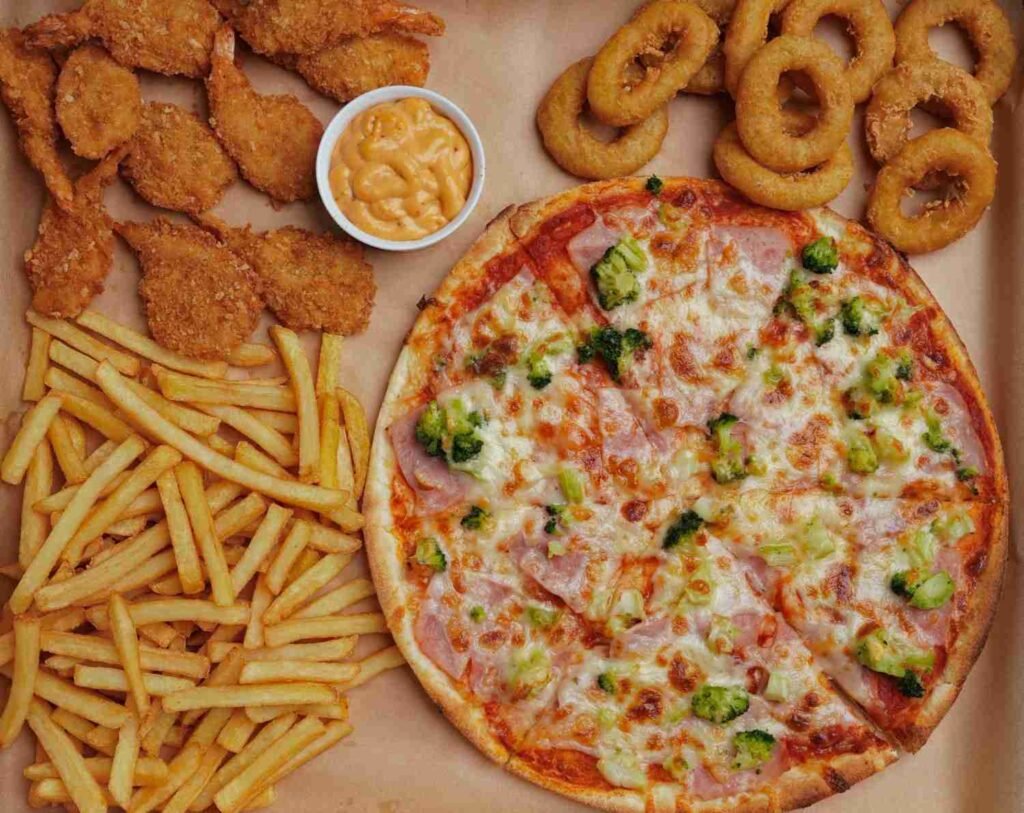
Most people assume “processed food” means junk food — chips, soda, fast food. But the definition used by nutritional scientists is both broader and more specific than that.
The most widely used classification system is called NOVA, developed by researchers at the University of São Paulo. It divides all food into four groups:
- Group 1 — Unprocessed or minimally processed foods: fresh vegetables, fruits, meat, eggs, milk, legumes
- Group 2 — Processed culinary ingredients: salt, sugar, oils, butter, flour
- Group 3 — Processed foods: canned beans, cheese, smoked fish, bread made with just a few ingredients
- Group 4 — Ultra-processed foods (UPFs): products that go beyond simple preservation or cooking, and contain ingredients you wouldn’t find in a home kitchen
That last category — Group 4 — is where things get interesting. Ultra-processed foods are defined not by any single ingredient, but by the presence of industrial additives and the degree to which the original food has been chemically and physically transformed. We’re talking about emulsifiers, artificial flavors, color additives, modified starches, hydrogenated oils, sweeteners, and flavor enhancers. These are substances added not to make food safer or tastier in a traditional sense, but to improve shelf life, texture, mouthfeel, appearance, and most critically — to make you want more of it.
Common ultra-processed foods include:
- Packaged breads, cakes, and pastries with long ingredient lists
- Flavored chips and crackers
- Instant noodles and soup powders
- Ready-to-eat frozen meals
- Carbonated soft drinks and flavored juices
- Most breakfast cereals
- Packaged sauces, salad dressings, and marinades
- Processed meat products like sausages, chicken nuggets, and deli meats
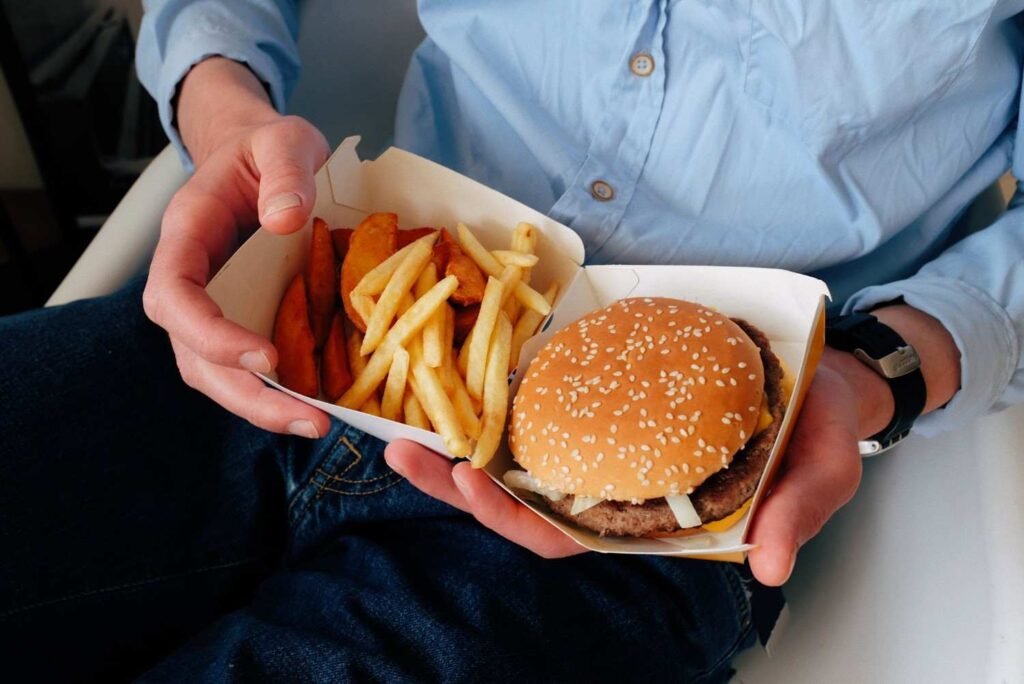
- Most fast food items
- Flavored yogurts and dairy desserts
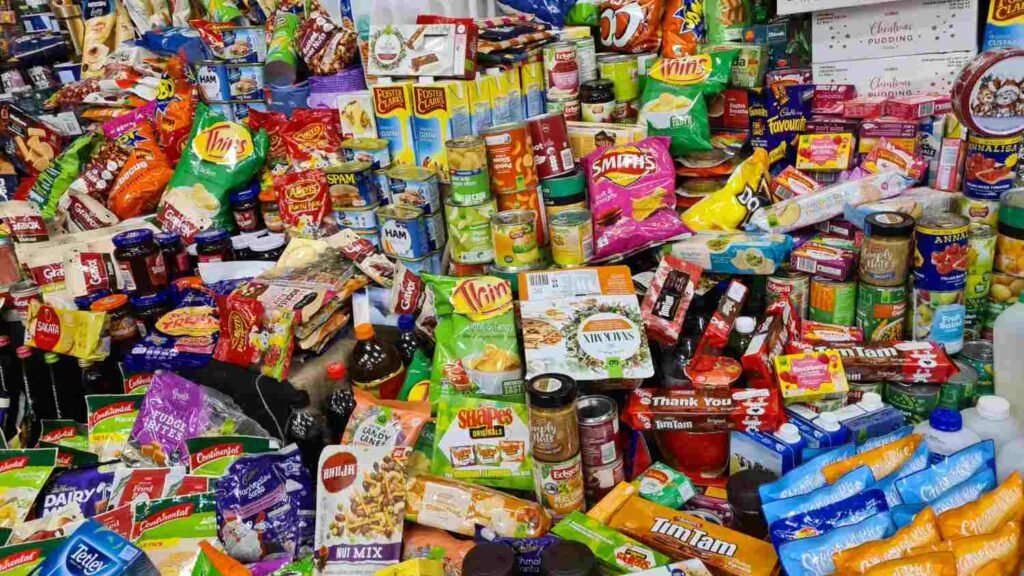
If that list sounds like half the average grocery cart — that’s because, for most urban consumers today, it is.
How Much of This Are We Actually Eating?
The numbers are genuinely alarming once you see them laid out.
In the United States, studies estimate that ultra-processed foods account for more than 57–60% of daily caloric intake for average adults — and even higher percentages for children and teenagers. In the United Kingdom, the figure is similarly high at around 55–57%. In India and other Asian countries, while traditional diets have historically been lower in UPFs, consumption has been rising sharply over the last two decades as packaged food becomes more accessible, affordable, and marketed heavily to urban and semi-urban populations.
This isn’t a niche dietary pattern anymore. Ultra-processed eating is the default mode for a large and growing portion of the global population.
What the Research Actually Says About Health Risks
Here is where the science becomes both compelling and nuanced — because there is a lot of it now.
The Link to Obesity and Overeating
One of the most cited studies on ultra-processed foods comes from the National Institutes of Health (NIH) in the United States. In a tightly controlled randomized trial, participants were given either an ultra-processed diet or an unprocessed diet for two weeks, then switched to the other diet for another two weeks. The foods were matched for total calories, sugar, fat, fiber, and macronutrients offered — the only real difference was the degree of processing.
The result was stark: when eating ultra-processed food, participants consumed an average of 508 extra calories per day — not because they were told to, but because they naturally ate faster and felt less satisfied. They also gained weight on the ultra-processed phase and lost it on the unprocessed phase. This happened even when the nutritional content on paper was similar. Something about ultra-processed food specifically — independent of sugar, fat, or calorie density — was driving overconsumption.
The Cardiovascular and Metabolic Connection
Multiple large-scale population studies have found associations between high UPF consumption and increased risk of cardiovascular disease, type 2 diabetes, high blood pressure, and metabolic syndrome. A major study published in The BMJ in 2019 involving nearly 105,000 French adults found that each 10% increase in the proportion of ultra-processed foods in the diet was associated with a significant increase in cardiovascular disease risk.
This matters because heart disease remains the leading cause of death globally, and diet is one of the most modifiable risk factors we have.
Mental Health and Brain Function
Perhaps more surprisingly, emerging research is linking ultra-processed food consumption to depression, anxiety, and cognitive decline. A 2023 study published in JAMA Network Open found that adults who ate the most ultra-processed foods had a 50% higher risk of depression compared to those who ate the least. The mechanisms are still being studied, but leading theories involve the gut-brain axis — the fact that the gut microbiome, heavily disrupted by ultra-processed ingredients and additives, plays a significant role in regulating mood-related neurotransmitters like serotonin and dopamine.
The Gut Microbiome Disruption
Speaking of the gut — this may be where ultra-processed foods do some of their most significant invisible damage. The human gut microbiome thrives on diversity and fiber. Ultra-processed diets tend to be extremely low in fiber and high in emulsifiers and artificial sweeteners that have been shown to disturb the balance of gut bacteria. A disrupted microbiome is now linked not just to digestive issues but to immune function, inflammation levels, mental health, metabolic health, and even skin conditions.
Ultra-Processed Foods and Cancer Risk
The evidence here is still accumulating, but several studies — including a large analysis from the UK Biobank involving over 200,000 adults — have found associations between UPF consumption and increased risk of certain cancers, including colorectal cancer. Researchers are cautious about claiming direct causality, but the consistency of these findings across different populations and study types is difficult to ignore.
But Wait — Is Processing Really the Problem, or Just Bad Ingredients?
This is the most legitimate scientific criticism of the ultra-processed food narrative, and it deserves a fair hearing.
The counterargument goes like this: ultra-processed foods tend to be high in refined carbohydrates, added sugar, unhealthy fats, and sodium — and low in fiber and micronutrients. Maybe it’s these nutritional characteristics that drive health problems, not the degree of processing itself. If that’s true, then classifying food by how it’s processed rather than by its nutritional content is misleading.
This is a reasonable position. And honestly, the science hasn’t fully settled this debate yet.
However, the NIH randomized trial — precisely because it controlled for nutritional content — is hard to dismiss on those grounds. The fact that participants ate significantly more calories and gained weight on ultra-processed diets, even when the macronutrient profiles were matched, suggests that something about industrial processing specifically — beyond just the sugar, fat, and salt content — is influencing eating behavior and health outcomes.
Leading theories for what that “something” might be include:
- Disrupted food matrix: Ultra-processing physically breaks down the food structure that normally slows digestion and promotes satiety. When you eat a whole grain versus a puffed, refined grain product, your body processes them very differently — even if the calorie count is similar.
- Addictive design: The specific combination of fat, salt, sugar, and texture in ultra-processed products appears to override normal satiety signals in the brain’s reward system, creating a pattern similar to compulsive consumption.
- Additive effects: Emulsifiers, artificial sweeteners, and flavor enhancers may have direct effects on gut health and hormonal signaling that aren’t captured by looking at macronutrients alone.
So the answer to “is it processing or ingredients?” is probably: both, and they’re harder to separate than it seems.
What About Convenience, Cost, and Real Life?
Here is the part that most nutrition discussions conveniently skip over: ultra-processed foods are cheap, fast, widely available, and — let’s be honest — often delicious. For a family on a tight budget, working multiple jobs, and feeding children who won’t eat vegetables, a packet of instant noodles or a box of cereal is not a moral failure. It’s a practical solution to a real constraint.
This is important context, because nutrition conversations that treat ultra-processed food avoidance as simple or obvious tend to speak from a position of significant privilege. Whole foods, fresh produce, and home cooking require time, money, kitchen access, and culinary skill — none of which are equally distributed.
The goal of understanding ultra-processed food risks isn’t to shame anyone for their choices. It’s to push for better systemic options: better food labeling, better regulation of food marketing (especially to children), better access to affordable whole foods in underserved areas, and industry accountability for the way ultra-processed products are designed and promoted.
So Are They Really the Biggest Problem in the Modern Diet?
Honestly? They might be — but not in isolation.
Ultra-processed foods aren’t the only dietary problem. Excessive calorie intake, insufficient physical activity, severe nutritional deficiencies, sugar addiction, and disordered eating are all significant issues with their own causes and consequences. Framing UPFs as a single villain risks oversimplifying what is actually a complex, multi-layered public health challenge.
But here is what makes ultra-processed foods particularly worth focusing on: they are a systems-level problem. They don’t just affect one health metric — they drive overeating, disrupt the gut, interfere with hormones, worsen mental health, and increase disease risk across multiple organ systems simultaneously. They are specifically engineered to bypass the biological signals that normally help us eat the right amount. And they have quietly become the dominant form of nutrition for billions of people, often without those people fully realizing what they’re consuming.
That combination — widespread, engineered, and multi-systemic — is what makes them uniquely concerning compared to, say, simply eating too much sugar or not enough fiber.
Practical Steps: How to Reduce Ultra-Processed Foods Without Going Crazy
You don’t need to go zero-UPF overnight. Honestly, for most people, that’s neither realistic nor necessary. What does help is making progressive shifts.
Start by Identifying Your Biggest Sources
For most people, the top contributors of UPF calories are:
- Packaged snacks (chips, biscuits, crackers)
- Sweetened beverages (sodas, flavored drinks, energy drinks)
- Breakfast cereals and instant oatmeal packets
- Packaged bread and bakery items
- Ready-to-eat meals and instant noodles
Pick one category and start there. You don’t need to overhaul everything at once.
Swap, Don’t Deprive
| Instead of | Try |
|---|---|
| Flavored chips | Roasted chana or nuts with spices |
| Instant noodles | Whole wheat pasta or rice noodles with real vegetables |
| Packaged fruit juice | Whole fruit or fresh lime water |
| Sweetened breakfast cereal | Rolled oats with nuts and fruit |
| Flavored yogurt | Plain yogurt with honey and fresh fruit |
| Packaged sauces | Simple homemade dressings (olive oil, lemon, garlic) |
These aren’t deprivation swaps — they’re upgrades that most people find genuinely satisfying once they adapt to them.
Read the Ingredient List, Not Just the Nutrition Label
The nutrition facts panel tells you about macronutrients and selected nutrients. The ingredient list tells you what you’re actually eating. A useful rule of thumb: if you can’t recognize the ingredients as real food or basic cooking staples, it’s almost certainly ultra-processed. Look for things like “modified starch,” “sodium stearoyl lactylate,” “carrageenan,” or a long list of listed flavors.
Cook More, Even Imperfectly
Home cooking doesn’t have to mean complex recipes and hours in the kitchen. Cooking a simple dal, scrambling eggs, or stir-frying vegetables takes fifteen to twenty minutes and produces food that is inherently less processed than almost anything from a packet. Cooking frequency is one of the strongest predictors of diet quality across studies — you don’t have to be a chef, you just have to be cooking.
Be Realistic About What You Keep at Home
Willpower is finite and unreliable. If ultra-processed snacks are at arm’s reach at home, you’ll eat them — that’s not weakness, it’s human biology. Reducing what you keep in the house (and replacing it with snacks like fruit, nuts, or cheese) shifts the default without requiring ongoing effort.
Frequently Asked Questions
Are all packaged foods ultra-processed? No. Canned whole tomatoes, plain yogurt, cheese, whole grain crackers with a short ingredient list, and many other packaged foods fall into “processed” rather than “ultra-processed” categories. The distinction is in the ingredient list — how many additives, and of what type.
What about diet sodas and zero-sugar ultra-processed foods? Switching from regular soda to diet soda reduces sugar intake, but diet versions remain ultra-processed and some research suggests artificial sweeteners may still disrupt gut bacteria and affect appetite signaling. They’re a harm-reduction step, not a health food.
Is ultra-processed food consumption in India really rising? Yes, significantly. Rising incomes, urbanization, aggressive marketing, and the entrance of multinational food companies into Indian markets have all contributed to a sharp rise in packaged snack, instant noodle, and sweetened beverage consumption, especially among younger demographics.
Can children eat any ultra-processed foods, or should they be completely avoided? Moderation matters. Children who eat heavily ultra-processed diets show early markers of metabolic and cardiovascular risk even in childhood. It’s not about eliminating these foods entirely from a child’s diet — it’s about making sure they aren’t the default.
I already eat pretty healthy — should I still worry about this? If your diet is primarily whole or minimally processed foods with occasional ultra-processed items, you’re likely in a much better position than the average person. The research shows dose-dependent risk — the more UPFs dominate your diet, the greater the risk. Occasional consumption is very different from it being a dietary staple.
A Final Word
There is something both unsettling and clarifying about the ultra-processed food story. Unsettling because it means that much of what we’ve been sold as normal, convenient, even healthy eating is quietly undermining our health at a systems level. Clarifying because once you understand the mechanism — that these foods are specifically designed to override your body’s natural regulation — it stops feeling like a personal failure and starts feeling like a structural problem with a structural solution.
You don’t have to eat perfectly. No one does. But if there’s one shift that nutrition research increasingly points to as having the biggest impact on long-term health, it’s not a specific macronutrient ratio, or a particular superfood, or an intermittent fasting schedule. It’s simply eating more food that looks like food — whole, recognizable, minimally transformed — and less food that was engineered in a factory to keep you eating past the point your body intended.
That shift, made progressively and realistically, is probably the most important dietary move most people can make in the modern food environment.
Disclaimer: This article is for informational purposes only and is not a substitute for professional medical or nutritional advice. Please consult a registered dietitian or healthcare provider before making significant changes to your diet, especially if you have an existing health condition.
Related Articles: