Recipes
Everyone Is Talking About Protein — But Are We Forgetting Fibre?
High-Protein, High-Fibre Mediterranean Chickpea Power Bowl — and the nutrition science hiding behind your protein shake
August 2026 · GuideBlogs · 12 min read · Published on GuideBlogs | Recipes
Open any nutrition app, scroll any fitness account, or walk into any supermarket aisle right now, and the message is unmistakable: protein is everything. Protein shakes, protein bars, protein bread, protein pasta, protein yogurt, protein cereal — at some point in the last two years, protein quietly became the single most-marketed macronutrient on the planet.
I’m not here to argue that protein doesn’t matter. It absolutely does — for muscle repair, satiety, blood sugar regulation, and dozens of other functions your body performs every single day. But here’s what I’ve started noticing: in all the noise around protein, an entire conversation has gone almost completely quiet.
Nobody is talking about fibre.
And that’s a problem, because the evidence for what fibre does in the human body — for gut health, cardiovascular risk, blood sugar control, weight management, inflammation, and even mental health — is just as strong as the evidence for protein. In some areas, it’s stronger. Yet the average adult gets barely half their recommended daily intake, and the supplement and food industry has essentially decided there’s no money in making fibre exciting.
So let’s fix the conversation — and end with a recipe that handles both at once.
The Protein Obsession — Where It Came From and What It Gets Right
The protein-first mentality didn’t come from nowhere. For decades, nutritional advice focused heavily on reducing fat and then reducing carbohydrates, often without offering a satisfying alternative. Protein filled that gap — it’s genuinely satiating, it preserves muscle mass during weight loss, it has a higher thermic effect than fat or carbs (meaning your body burns more calories digesting it), and it doesn’t spike blood sugar the way refined carbohydrates do.
Research backs this up. Studies consistently show that higher protein intakes are associated with better body composition, greater satiety, and preserved lean muscle mass — particularly in older adults, where muscle loss (sarcopenia) is a significant health concern. For athletes, for people trying to lose weight without losing muscle, and for older adults trying to maintain strength and independence, prioritising protein is legitimate evidence-based advice.
The problem isn’t the protein advice. The problem is that nutrition has become a zero-sum conversation — and while we’ve been loading up on protein, we’ve been quietly neglecting something else.
What Fibre Actually Does — and Why the Gap Matters So Much
Most people, if you ask them what fibre does, will say “it keeps you regular.” True — but that description barely scratches the surface of what dietary fibre actually does in the body.
Your Gut Bacteria Live on It
The trillions of microorganisms in your gut — collectively your gut microbiome — are fed primarily by fibre, specifically the type that passes undigested into your large intestine. These bacteria ferment fibre into short-chain fatty acids like butyrate, propionate, and acetate. Butyrate in particular is the primary fuel source for the cells lining your colon, and it has powerful anti-inflammatory effects that extend well beyond the gut. Without adequate fibre, beneficial bacterial populations shrink. In their place, less helpful species proliferate. This disruption — called dysbiosis — is now linked to conditions ranging from IBS and inflammatory bowel disease to metabolic syndrome and depression.
It Slows Digestion in Ways That Protect You
Soluble fibre — the kind found in oats, legumes, and some fruits — dissolves in water to form a gel-like substance in your digestive tract. This gel slows the absorption of glucose, which means a much gentler blood sugar response after eating. Over time, consistently blunting blood sugar spikes reduces insulin demand and lowers the risk of developing Type 2 diabetes. The same gel also binds to cholesterol in the gut and escorts it out of the body, which is why beta-glucan fibre from oats is one of the very few nutrients with an FDA-approved heart health claim.
It Manages Appetite Better Than Most People Realise
High-fibre foods take longer to chew, slow gastric emptying, and trigger satiety hormones — all of which mean you stay fuller for longer on fewer calories. The research on this is remarkably consistent: across dozens of studies, higher dietary fibre intake is associated with lower body weight, independent of other dietary factors. It’s not magic. It’s physics and biochemistry working exactly as they should.
The Numbers Tell the Story
The recommended daily fibre intake is 25–38g per day depending on age and sex. The average adult in the UK and US consumes around 15–18g. In India, despite a traditionally plant-heavy diet, rapidly urbanising food patterns have pushed average intakes down dramatically — particularly among younger demographics eating more packaged and ultra-processed food. As we explored in our piece on ultra-processed foods and the modern diet, this shift away from whole plant foods is one of the most consequential nutritional changes happening right now.
The average adult gets barely half their recommended daily fibre. Nobody put that on a supplement label.
Protein and Fibre Aren’t Competing — They’re Partners
Here’s the reframe that I think changes everything: protein and fibre are not in opposition. The best dietary patterns in the world — Mediterranean, traditional Japanese, Blue Zone diets across Costa Rica, Sardinia, and Okinawa — all combine adequate protein with very high fibre intakes. They don’t prioritise one at the expense of the other.
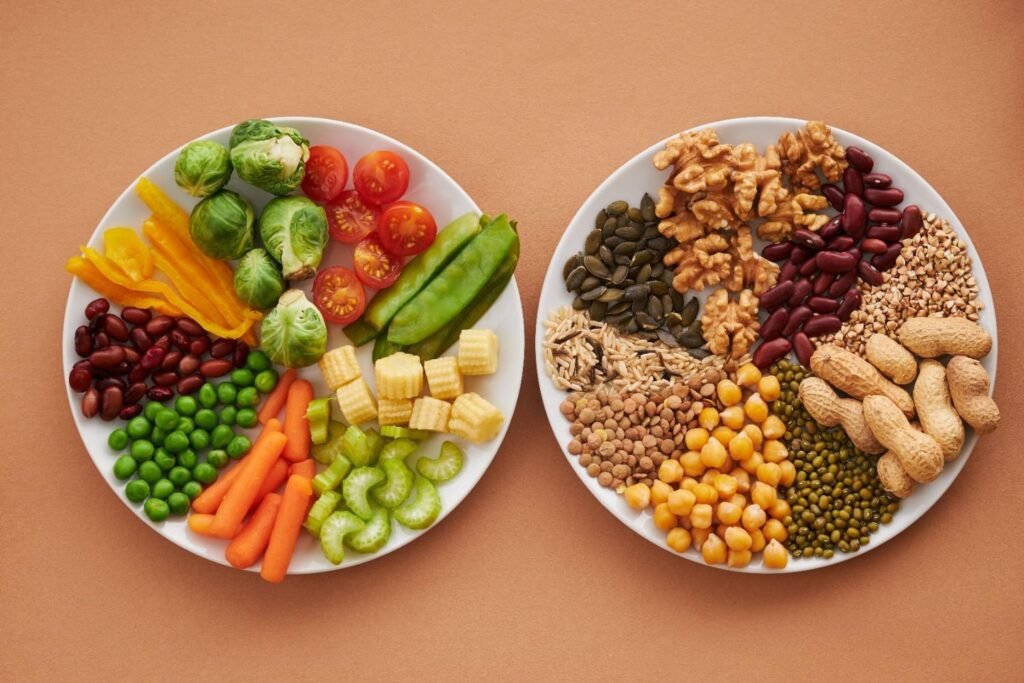
The foods that tend to be highest in protein in these diets are also, very often, excellent sources of fibre: legumes, pulses, seeds, and whole grains. A cup of cooked chickpeas delivers roughly 15g of protein and 12g of fibre simultaneously. A cup of lentils gives you 18g of protein alongside 15g of fibre. These aren’t protein foods with a fibre bonus. They are fibre foods with a protein bonus — and the distinction matters, because it reframes what the building blocks of a healthy diet actually look like.
According to the NHS guidance on increasing dietary fibre, swapping to higher-fibre versions of everyday staples — whole grains instead of refined, legumes instead of processed meat, fruit instead of packaged snacks — is the most practical and effective way to close the fibre gap without requiring dramatic dietary overhauls. And conveniently, those same swaps tend to deliver better protein quality and more micronutrients simultaneously.
Which brings us to the bowl.
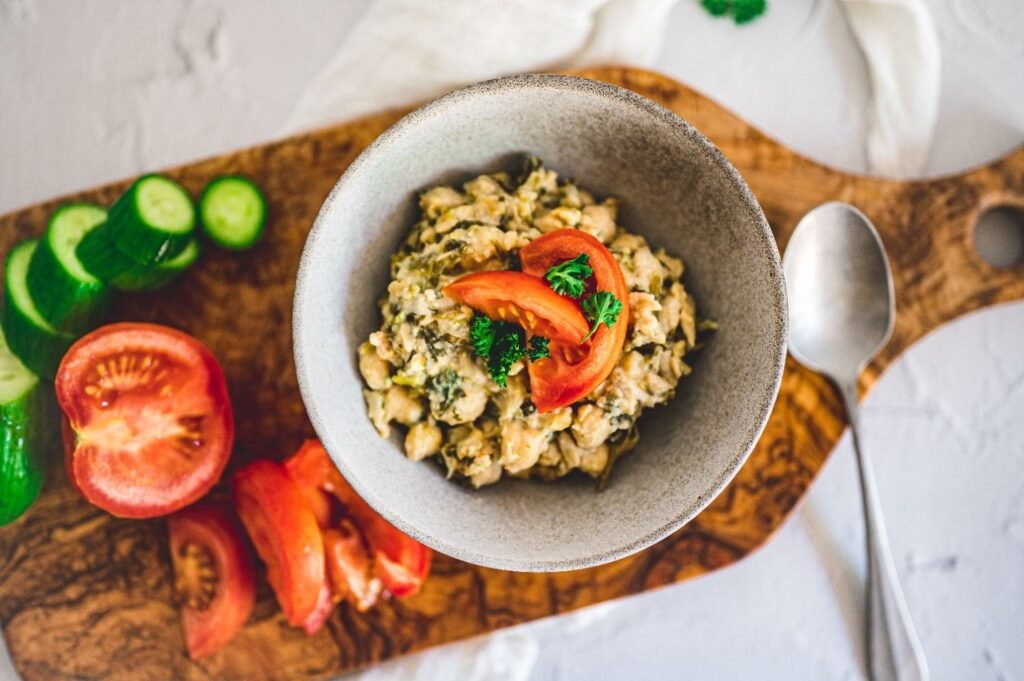
High-Protein, High-Fibre Mediterranean Chickpea Power Bowl
This recipe was built with one specific goal: prove that eating enough protein and enough fibre in a single meal doesn’t require a supplement stack or an hour in the kitchen. Everything in it has a functional reason to be there — and together, the ingredients create something that is genuinely satisfying, clinically well-supported, and ready in about twenty minutes.
Prep Time: 15 minutes
Cook Time: 5 minutes (if using pre-cooked grains)
Serves: 2
Difficulty: Easy
Meal Prep Friendly: Yes
Macros Per Serving
| Protein | Fibre | Calories | Healthy Fats | Carbs |
|---|---|---|---|---|
| 28g | 16g | ~520 kcal | 22g | 48g |
Why This Bowl Works — Ingredient by Ingredient
Before the recipe, a quick note on why each ingredient is in here rather than just flavour or convention. Every component pulls its weight nutritionally.
| Ingredient | Protein | Fibre | Why It’s Here |
|---|---|---|---|
| Chickpeas (1 cup cooked) | ~15g | ~12g | The anchor — delivers both macros simultaneously, prebiotic fibre feeds gut bacteria |
| Greek yogurt (½ cup) | ~10g | 0g | High-protein base, live cultures for probiotic benefit, cools the acidity of lemon |
| Quinoa or brown rice (½ cup cooked) | ~4g | ~3g | Complete amino acid profile (quinoa), complex carbs for sustained energy |
| Avocado (½ fruit) | ~1g | ~5g | Monounsaturated fat that helps absorb fat-soluble vitamins, plus significant fibre |
| Cucumber and tomato | ~1g | ~2g | Volume and hydration, vitamin C, lycopene in tomatoes is a strong antioxidant |
| Mixed seeds (2 tbsp) | ~4g | ~2g | Omega-3s (flaxseed), zinc (pumpkin), magnesium, and extra prebiotic fibre |
| Olive oil (1 tbsp) | 0g | 0g | Polyphenols with anti-inflammatory effect; makes fat-soluble nutrients bioavailable |
| Lemon juice (2 tbsp) | 0g | 0g | Enhances iron absorption from chickpeas, bright flavour without added sugar |
Ingredients (Serves 2)
For the Bowl Base
- 1 cup chickpeas, cooked and drained (or one 400g tin, rinsed well)
- 1 cup quinoa or brown rice, cooked and cooled slightly
- ½ large cucumber, deseeded and diced
- 1 cup cherry tomatoes, halved (or 2 medium tomatoes, diced)
- 1 ripe avocado, sliced or roughly diced
- 2 tbsp mixed seeds — pumpkin, sunflower, or flaxseed, any combination
- Small handful of fresh parsley or mint, roughly chopped
For the Yogurt Dressing
- ½ cup plain full-fat Greek yogurt
- 2 tbsp extra virgin olive oil
- 2 tbsp fresh lemon juice (about 1 lemon)
- 1 small garlic clove, very finely grated or minced
- ½ tsp ground cumin
- ½ tsp dried oregano
- Salt and black pepper to taste
Optional Add-ons
- 30g crumbled feta cheese (+3g protein)
- A pinch of smoked paprika or sumac over the top
- Handful of rocket or baby spinach as an extra layer
Step-by-Step Instructions
Step 1 — Season and Warm the Chickpeas
Drain and rinse your chickpeas thoroughly. In a small pan over medium heat, warm them for 3–4 minutes with a pinch of cumin, a drizzle of olive oil, salt, and pepper. You’re not frying them — just warming them through and letting the spices bloom slightly. This takes a tinned chickpea from bland to genuinely good in about four minutes.
Pro tip: If you have an extra five minutes, roast half the chickpeas in a hot oven (200°C / 400°F) for 15–20 minutes with olive oil and smoked paprika until crispy. They add a completely different texture — crunchy on top, soft underneath — and keep for two days in an airtight container for meal prep bowls.
Step 2 — Make the Yogurt Dressing
In a small bowl, whisk together the Greek yogurt, olive oil, lemon juice, garlic, cumin, and oregano until smooth. Season with salt and pepper. Taste it — the dressing should be bright and tangy with a slight earthiness from the cumin. Add more lemon if you like it sharper, more yogurt if you want it milder. This dressing doubles as a dip for anything, and it keeps in the fridge for three days.
Pro tip: Let the dressing sit for five minutes before using it. The garlic mellows slightly and the yogurt absorbs the lemon, giving you a more cohesive flavour instead of everything tasting separate.
Step 3 — Prep the Fresh Vegetables
Dice the cucumber and tomatoes. If you have time, salt them lightly and let them sit in a colander for five minutes — this draws out excess water so your bowl doesn’t go soggy if you’re meal-prepping it. Slice the avocado last to prevent browning. A squeeze of the leftover lemon juice directly on the avocado slices keeps them looking fresh.
Step 4 — Build Your Bowl
Start with a base of cooled quinoa or brown rice — about half a cup per bowl. Add the warm chickpeas in one section, then the cucumber and tomato, and then the avocado. There’s a reason bowl recipes always say “arrange in sections” rather than just tossing everything together — it keeps textures distinct and makes each mouthful more interesting. Scatter the seeds over the top.
Step 5 — Dress and Finish
Spoon the yogurt dressing generously across the bowl — don’t be shy, it’s the most nutritionally dense component. Add the fresh herbs, a final drizzle of olive oil, and a pinch of smoked paprika or sumac if you’re using it. Serve immediately, or cover and refrigerate (dressing stored separately) for up to 24 hours.
3 Easy Variations
🌿 Variation 1 — Vegan Version
Replace the Greek yogurt with a thick coconut or oat-based yogurt, and use a tahini dressing instead (2 tbsp tahini, 2 tbsp lemon juice, 1 tbsp olive oil, 1 tbsp water, pinch of garlic). You lose a few grams of protein, but the flavour is genuinely excellent — tahini adds a nutty depth that works beautifully with chickpeas. Approx. protein per serving: ~20g.
💪 Variation 2 — Extra Protein Boost
Add a sliced grilled chicken breast, two soft-boiled eggs, or a tin of tuna in spring water alongside the chickpeas. This version is ideal post-workout or as a recovery meal — the combination of fast-absorbing egg or chicken protein with the slower-digesting chickpea protein gives you a sustained amino acid release over several hours. Approx. protein per serving: ~42–45g.
🫙 Variation 3 — Meal Prep Bowl for the Week
Make a large batch of the quinoa, chickpeas, and dressing on Sunday. Keep everything separated — grain base and chickpeas in one container, vegetables in another, dressing in a jar, seeds in a small bag. Assemble individual bowls each morning in under two minutes. The prepared components keep for four days in the fridge, meaning you have four lunches sorted with one hour of cooking.
Meal Prep and Storage Guide
- Quinoa and chickpeas: airtight container, fridge, up to 4 days
- Yogurt dressing: sealed jar, fridge, up to 3 days — stir before using as it may separate slightly
- Sliced avocado: brush with lemon juice, press cling film directly onto the surface, fridge, up to 1 day
- Assembled bowl (undressed): fridge, up to 24 hours — add dressing and avocado just before eating
- Do not freeze: Greek yogurt, avocado, and fresh vegetables do not hold texture after thawing
Why This Bowl Fixes Both Gaps at Once
The architecture of this bowl was deliberate. Every ingredient was chosen to address the two nutritional conversations we’ve just had — protein and fibre — simultaneously, without supplements, without exotic ingredients, and without spending more than fifteen to twenty minutes in the kitchen.
The chickpeas alone provide more fibre per serving than most people eat at two meals combined, along with plant protein that pairs well with the complete amino acid profile of quinoa and the high-quality protein in Greek yogurt. The avocado and olive oil provide the fat your body needs to absorb the fat-soluble vitamins in the vegetables. The seeds add omega-3s, zinc, and a final hit of fibre. The lemon juice, beyond flavour, actively increases the bioavailability of the non-haem iron in the chickpeas.
This is what food as medicine actually looks like in practice — not a list of superfoods, but ordinary ingredients working together in proportions that your body recognises and knows what to do with.
Frequently Asked Questions
Can I use canned chickpeas instead of cooking from dry?
Absolutely — tinned chickpeas are nutritionally almost identical to home-cooked ones, and they save significant time. Just rinse them very well under cold water to remove the excess sodium from the brine. One 400g tin, drained, gives you roughly the right amount for two servings of this bowl.
Is quinoa really that much better than rice for this bowl?
Quinoa has the edge for two specific reasons: it contains all nine essential amino acids (making it a complete protein, which rice is not), and it has a slightly lower glycaemic index. But brown rice is still an excellent choice — it adds more fibre than white rice and has a nuttier flavour that works well in this bowl. Use whichever you have, or combine them for variety.
How do I hit my daily fibre target if I’m also trying to eat high protein?
Prioritise legumes — chickpeas, lentils, black beans, rajma — as your primary protein sources for at least one meal per day. They deliver both macros simultaneously in proportions your gut bacteria love. Then build the rest of your protein from eggs, Greek yogurt, fish, or poultry alongside vegetables and whole grains. The key is not to let protein shakes and bars crowd out the whole food sources where the fibre actually lives.
Will eating this much fibre cause bloating?
If your current diet is low in fibre, significantly increasing your intake quickly can cause temporary bloating and gas as your gut bacteria adapt. Start with one high-fibre meal per day and build gradually over two to three weeks. Drinking plenty of water helps significantly — fibre absorbs water as part of how it works, and without enough fluid, it can slow digestion rather than aid it.
Is this bowl suitable for people managing blood sugar or diabetes?
It’s a reasonable choice for most people managing blood sugar — the combination of fibre, protein, and healthy fat creates a very gentle glycaemic response. However, the serving size of quinoa or rice matters, and individual responses to carbohydrates vary. If you’re actively managing diabetes or insulin resistance, start with a smaller grain portion and see how your levels respond before treating this as a regular meal. Always consult your healthcare provider for dietary guidance specific to your condition.
A Final Word
Protein isn’t going anywhere — and it shouldn’t. But if the last few years of nutrition science have taught us anything, it’s that single-nutrient thinking almost always misses something important. Fibre is not protein’s competition. It’s protein’s context — the thing that makes everything work better, the thing that feeds the 38 trillion microorganisms quietly managing your immune system, your mood, and your metabolic health every single day.
This bowl is a small, practical answer to a big nutritional blind spot. It takes twenty minutes. It costs less than a protein bar habit. And it gives your body both of the things it’s probably asking for, in a form it actually recognises as food.
Now go make it. Your gut bacteria will thank you.
Related Articles
- Mediterranean Salad Recipe — Fresh, Healthy & Ready in 15 Minutes
- Ultra-Processed Foods: Are They Really the Biggest Problem in the Modern Diet?
- Simple Daily Habits for a Healthy Lifestyle
- The Complete Guide to the DASH Diet
Disclaimer: This article is for informational purposes only and is not a substitute for professional medical or nutritional advice. Please consult a registered dietitian or healthcare provider before making significant changes to your diet, especially if you have an existing health condition.