Nutrition
Gut Health in 2026
Why Your Microbiome Is Becoming the New Wellness Priority
Published on GuideBlogs | Nutrition
Gut Health in 2026: Why Your Microbiome Is Becoming the New Wellness Priority
📅 August 2026⏱ 10 min read✍️ Published on GuideBlogs
A few years ago, “gut health” sounded like a niche concern for people who read wellness blogs obsessively. Today, it’s one of the most-searched health topics on the internet — and for very good reason.
I’ll be honest with you. I spent most of my adult life treating my gut as an afterthought. Eat whatever, drink coffee on an empty stomach, work late, skip sleep — and wonder why I felt sluggish, foggy, and oddly anxious for no identifiable reason. Sound familiar?
It turns out, the answer to a lot of those vague, hard-to-explain symptoms might be living in your intestines — specifically, in the 38 trillion microorganisms that collectively make up your gut microbiome. And in 2026, science has gotten close enough to understanding them that the gut is no longer a footnote in wellness conversations. It’s the headline.
What Exactly Is the Microbiome — and Why Does It Matter?
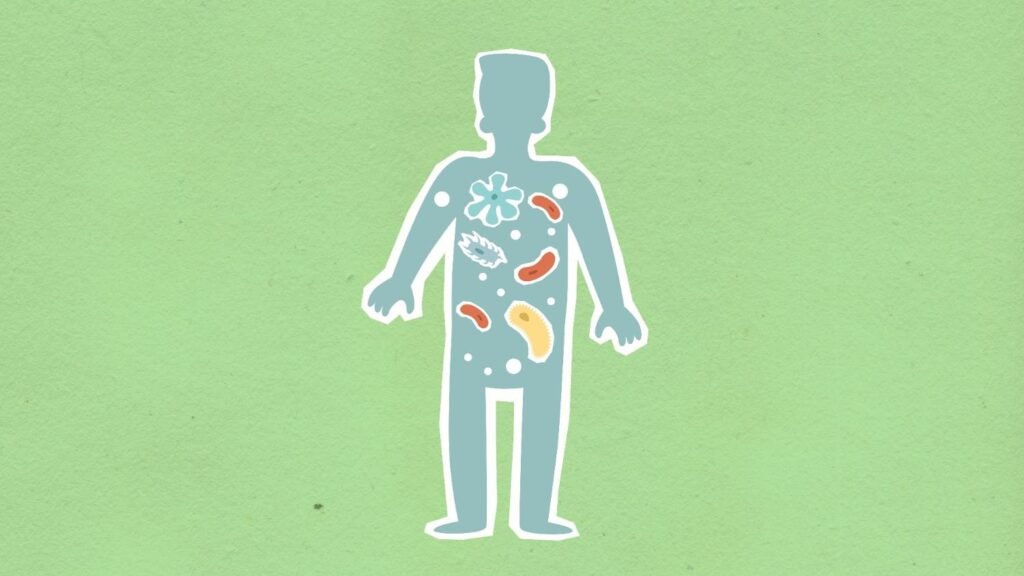
Your gut microbiome is the vast, diverse community of bacteria, fungi, viruses, and other microorganisms that live primarily in your large intestine. Far from being passive passengers, these microbes are active participants in almost every system in your body.
They help digest food and extract nutrients you can’t process on your own. They train and modulate your immune system — roughly 70% of immune activity is concentrated in the gut. They produce neurotransmitters like serotonin, dopamine, and GABA that directly affect your mood and cognition. They regulate inflammation. They influence how you respond to medications. And increasingly, researchers believe they play a role in your risk of developing conditions ranging from Type 2 diabetes and obesity to depression and autoimmune disorders.
This isn’t speculative wellness content anymore. The gut microbiome is now one of the most actively studied areas in all of biomedical science — and what researchers are finding is both remarkable and, frankly, a little humbling. We’ve been ignoring something that may be central to almost everything.
38TMicrobial cells in the average human gut
70%Of immune system activity concentrated in the gut
95%Of the body’s serotonin produced in the gut
1,000+Bacterial species identified in the human microbiome
Why 2026 Is a Turning Point for Gut Health Science
The study of the microbiome is not new — scientists have known gut bacteria exist for over a century. But the technology to sequence, identify, and understand them at scale only became widely available in the last decade. And in the last few years, a critical mass of research has accumulated that is shifting how mainstream medicine thinks about disease, treatment, and prevention.
The Gut-Brain Axis Is No Longer Fringe Science
One of the most significant developments of the last few years is mainstream scientific acceptance of the gut-brain axis — the two-way communication network between your gut and your brain via the vagus nerve, the immune system, and gut-produced neurotransmitters.
Studies now consistently show that people with depression, anxiety, and even neurodegenerative diseases like Parkinson’s have significantly different gut microbiome profiles than healthy controls. A 2024 landmark study published in Nature Mental Health identified specific bacterial strains associated with lower rates of depression across multiple populations. Researchers aren’t claiming that gut bacteria cause mental illness — but they are saying the relationship is bidirectional, significant, and far too important to ignore.
Personalized Nutrition Is Finally Becoming Real
One of the most exciting frontiers is that your microbiome composition partly determines how your body responds to specific foods. The same meal — say, a bowl of white rice — can spike blood sugar dramatically in one person and barely move the needle in another, based on their gut bacterial makeup. This is why blanket dietary advice is increasingly being replaced by microbiome-informed, personalized nutrition — an approach that was theoretical five years ago and is now commercially available through several testing services.
Gut Health and Metabolic Disease
The connection between disrupted gut microbiomes and metabolic conditions — obesity, insulin resistance, non-alcoholic fatty liver disease — has become one of the most robustly replicated findings in nutrition science. Research consistently shows that people with these conditions have lower microbial diversity, fewer beneficial bacterial species, and more of the microbial profiles associated with inflammation and impaired glucose metabolism.
This is also directly connected to what and how we eat. As explored in our piece on ultra-processed foods and the modern diet, many of the additives in industrially processed food — emulsifiers, artificial sweeteners, preservatives — have been shown to disrupt microbial balance in ways that regular high-fat or high-sugar diets alone do not. The gut microbiome is one of the key mechanisms through which ultra-processed food does its long-term damage.
Signs Your Gut Microbiome Might Be Out of Balance
“Dysbiosis” is the clinical term for an imbalanced gut microbiome — when harmful or neutral microbes significantly outnumber the beneficial ones. Dysbiosis doesn’t announce itself with a dramatic diagnosis. It tends to present as a collection of symptoms that are easy to dismiss individually, but form a recognizable pattern when you look at them together.
Common signs of gut dysbiosis:
- Persistent bloating, gas, or abdominal discomfort not explained by a specific food
- Irregular bowel habits — constipation, diarrhea, or unpredictable alternation between both
- Low mood, irritability, or anxiety that doesn’t have a clear trigger
- Brain fog — difficulty concentrating, slow thinking, poor memory
- Frequent minor infections or slow recovery, suggesting immune dysregulation
- Fatigue that sleep doesn’t fix
- Skin issues — acne, eczema, rosacea, or unexplained rashes
- Strong cravings for sugar or refined carbohydrates (certain gut bacteria actively signal for their preferred fuel)
None of these are definitive. Many conditions cause these symptoms. But if several apply to you consistently, your gut microbiome is worth paying attention to — and the good news is that it’s one of the most modifiable systems in your body.
What Actually Improves Gut Health? (Beyond the Marketing)
Walk through any health aisle or scroll any wellness feed in 2026 and you’ll see gut health marketed aggressively — probiotic gummies, detox cleanses, fermented everything, expensive microbiome tests. Some of it is genuinely useful. A lot of it is noise. Here’s what the research actually supports.
1. Dietary Fiber Is the Single Most Important Lever
Gut bacteria feed on fiber — specifically, a type called prebiotic fiber found in plant foods. Without sufficient fiber, the bacterial communities that perform the most beneficial functions literally starve, while less helpful species fill the gap. Most adults in modern, urbanized diets consume roughly half the recommended fiber intake.
The goal isn’t to find one magic fiber source — it’s diversity. Research consistently shows that people who eat 30 or more different plant foods per week (vegetables, fruits, legumes, whole grains, nuts, seeds, herbs) have significantly more diverse and resilient microbiomes than those who eat fewer. Diversity of plants drives diversity of microbes, which drives resilience and health.
According to the NHS guidance on dietary fiber, adults should aim for at least 30g of fiber per day — yet the average intake in the UK sits around 18g, and similar gaps exist globally. Closing that gap is one of the most impactful dietary changes most people can make for long-term gut and overall health.
2. Fermented Foods — Real Ones, Not Just “Probiotic” Labeled Products
A landmark 2021 Stanford study found that a high-fermented-food diet significantly increased microbiome diversity and decreased inflammatory markers — more effectively than a high-fiber diet alone in the short term. The key word is real fermented foods: live-culture yogurt, kefir, kimchi, sauerkraut, miso, tempeh, and kombucha with active cultures. The heat-treated, shelf-stable versions contain no live bacteria.
3. Limiting Gut Disruptors — Not Just Adding “Good” Things
Improving gut health isn’t only about adding probiotics and fiber. It also requires reducing consistent inputs that harm microbial balance. These include unnecessary antibiotic courses (they devastate microbiome diversity, often for months), chronic stress (which measurably alters gut bacterial populations via the gut-brain axis), poor sleep (the microbiome has its own circadian rhythm and is disrupted by irregular sleep patterns), and — as noted earlier — ultra-processed food additives that directly interfere with bacterial communities.
4. Exercise: A Surprising Microbiome Booster
Emerging research shows that regular physical activity — particularly aerobic exercise — is independently associated with higher gut microbial diversity, even when diet is controlled for. The mechanism isn’t fully understood, but it likely involves changes in gut transit time, circulation, and systemic inflammation. This is one more reason why exercise’s health benefits extend well beyond what you can see in the mirror.
Simple Daily Swaps for a Healthier Gut
You don’t need to overhaul your entire diet overnight. Start with progressive swaps that shift your microbiome over weeks and months.
| Instead of | Try This Instead | Why It Helps |
|---|---|---|
| Packaged breakfast cereal | Rolled oats with berries, flaxseeds, and nuts | Adds prebiotic fiber + polyphenols from berries |
| Flavored yogurt with sugar | Plain live-culture yogurt with fresh fruit | Real probiotics without gut-disrupting additives |
| White bread / refined carbs | Whole grain or sourdough (real fermented) | Fiber + fermentation byproducts that feed gut bacteria |
| Packaged snacks | Roasted chickpeas, nuts, raw vegetables with hummus | Prebiotic fiber + diverse plant inputs |
| Fizzy drinks / diet sodas | Kombucha (real), kefir, or plain sparkling water | Live cultures without microbiome-disrupting sweeteners |
| Eating the same 5 vegetables | Add 2–3 new plants per week — any kind | Diversity of plants drives microbial diversity |
What About Probiotic Supplements?
The honest answer: for most healthy adults eating a reasonable diet, probiotic supplements have limited and inconsistent evidence. They can be genuinely useful in specific situations — after a course of antibiotics, for managing certain conditions like IBS-D or antibiotic-associated diarrhea, or in people with severely disrupted gut function. But the marketing claim that a daily probiotic pill will meaningfully transform a healthy person’s microbiome is not well-supported by current research.
If you’re interested in trying one, look for products with specific, well-researched strains (Lactobacillus rhamnosus GG, Bifidobacterium longum, Saccharomyces boulardii are among the most studied), a high CFU count, and evidence of viability through to the use-by date. And pair it with a diet that actually feeds the bacteria you’re introducing — a probiotic without prebiotic fiber to feed it is unlikely to do much.
Frequently Asked Questions
How long does it take to improve your gut microbiome?
The microbiome can begin responding to dietary changes within 48–72 hours — it’s one of the most rapidly adaptable systems in the body. However, meaningful, stable improvements in diversity and composition typically take 4–8 weeks of consistent changes. And going back to old habits reverses progress quickly. Think of it as an ongoing practice, not a 30-day reset. Can gut health affect skin conditions like acne or eczema?
Yes — the gut-skin axis is a well-documented phenomenon. Gut dysbiosis contributes to systemic inflammation and immune dysregulation that can manifest as skin flare-ups. Many people with chronic acne, eczema, rosacea, or psoriasis report significant improvements with gut-focused dietary changes, though individual responses vary. This doesn’t mean gut health replaces dermatological treatment — but it’s a factor worth addressing in parallel. Is a microbiome test worth doing?
At-home gut microbiome tests have improved significantly in accuracy and detail. They can give you a useful snapshot of your microbial diversity and flag potential imbalances. However, the science of interpreting these results is still evolving, and the tests shouldn’t be treated as clinical diagnostics. If you’re experiencing significant gut symptoms, a gastroenterologist is the right first stop — not a consumer test kit. Does stress really affect gut bacteria?
Yes, in measurable ways. Chronic psychological stress activates the body’s stress response, which alters gut motility, intestinal permeability, and the composition of microbial populations. This is one of the mechanisms behind conditions like IBS, which frequently worsens with stress. Managing stress — through sleep, exercise, social connection, or mindfulness practices — is a legitimate gut health intervention, not just a wellness cliché. Are Indian/South Asian traditional diets good for gut health?
Traditional South Asian diets — rich in legumes (dal, rajma, chana), fermented foods (dahi, idli, dosa), diverse spices, and vegetables — are actually very well aligned with gut health science. The problem is that these traditional eating patterns are being rapidly displaced by ultra-processed packaged foods, particularly among younger urban populations. Preserving and returning to traditional dietary patterns, where possible and practical, is a genuine advantage.
The Bottom Line: Your Gut Is Talking — It’s Worth Listening
There’s something quietly radical about taking gut health seriously: it reframes health from a collection of separate organ systems to an integrated, connected whole. The gut isn’t just where digestion happens. It’s where immunity is trained, mood is regulated, inflammation is managed, and long-term disease risk is significantly shaped.
In 2026, this isn’t fringe thinking anymore. The microbiome is firmly in mainstream health science, and the evidence base is only growing. What it asks of us is actually not complicated: eat more diverse plants, add real fermented foods, reduce gut disruptors, move your body, manage your stress, and sleep enough. None of that is new advice — but understanding the gut microbiome gives it new weight and new mechanism.
You don’t have to be perfect. Start with one swap. Add a new vegetable this week. Let your 38 trillion internal allies work with you, not against you.
📚 Related Articles on GuideBlogs
- Ultra-Processed Foods: Are They Really the Biggest Problem in the Modern Diet?
- Simple Daily Habits for a Healthy Lifestyle
- Sleepmaxxing: Sleep Optimization
Disclaimer: This article is for informational purposes only and is not a substitute for professional medical or dietary advice. Consult a registered healthcare provider or gastroenterologist before making significant changes to your diet or supplement routine, especially if you have an existing health condition.