Health
Mitochondria and Health
Why Your Body’s Tiny Powerhouses Decide How You Feel Every Single Day
Published on GuideBlogs | Health
A few years ago, a friend of mine — fit, reasonably healthy, doesn’t smoke, rarely drinks — started complaining about something that didn’t quite fit any obvious diagnosis. He was tired. Not “I didn’t sleep enough” tired, but a deep, cellular kind of exhaustion that no amount of rest seemed to fix. His doctor ran the usual panels, found nothing alarming, and suggested he manage his stress better.
It wasn’t until he started working with a functional medicine practitioner that someone finally asked the right question: What are your mitochondria doing?
Most of us haven’t thought about mitochondria since a high school biology class, where we were told they are “the powerhouse of the cell” and promptly moved on. But the truth is far more interesting — and far more relevant to how you actually feel on a day-to-day basis — than that single sentence ever captured.
Because mitochondria aren’t just an energy source. They are, in a very real sense, the command center for your metabolic health, your aging process, your brain function, your immune response, and your long-term resilience against chronic disease. When they work well, you thrive. When they don’t, you feel it everywhere — even when no standard blood test can explain why.
What Exactly Is a Mitochondrion?
Let’s start at the beginning, because the biology here is genuinely fascinating — and understanding it changes how you think about your health choices.
A mitochondrion (plural: mitochondria) is a membrane-enclosed organelle found inside nearly every cell of the human body. They’re incredibly small — you can’t see them without a microscope — but they’re not rare. Depending on the energy demands of a particular cell type, a single human cell can contain anywhere from a few hundred to several thousand mitochondria. Heart muscle cells, neurons in the brain, and liver cells are especially mitochondria-rich, which makes sense: these are tissues that never get to rest.
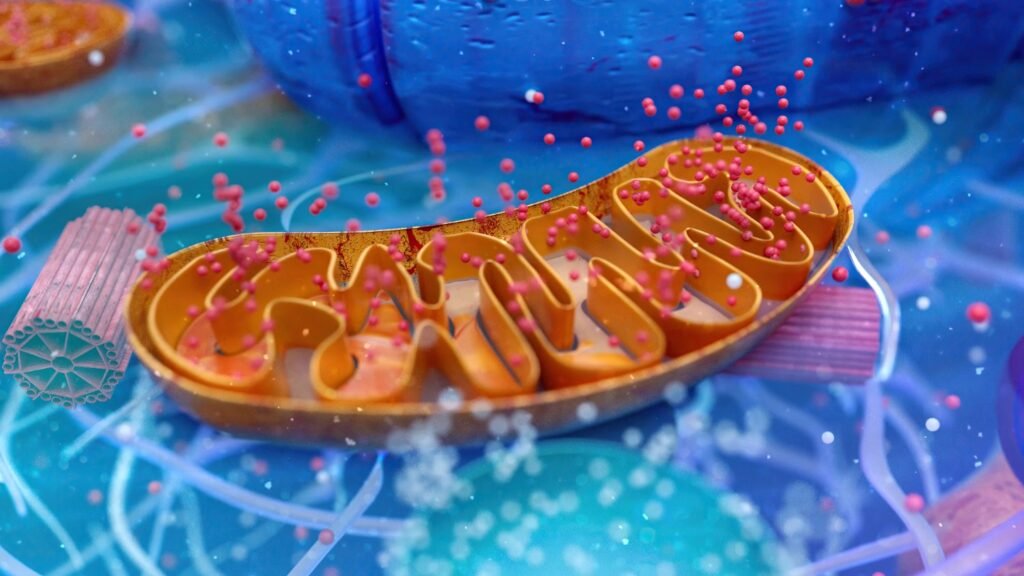
Structurally, mitochondria are unique among organelles because they have two membranes: a smooth outer membrane and a highly folded inner membrane. Those folds, called cristae, dramatically increase the surface area available for chemical reactions — a design that reflects just how much work these structures are doing at any given moment.
Perhaps the most remarkable fact about mitochondria: they have their own DNA. Unlike any other organelle, mitochondria carry a small, circular genome that is separate from the nuclear DNA in a cell’s nucleus. This has led scientists to believe that mitochondria were once independent bacteria that, billions of years ago, were absorbed by early eukaryotic cells and formed a symbiotic relationship — a theory called endosymbiosis. In other words, the powerhouses of your cells have an ancient bacterial origin. That’s not metaphor. That’s evolutionary biology.
What Do Mitochondria Actually Do?
Here is where “powerhouse of the cell” really undersells the story.

1. ATP Production — The Energy Currency of Life
The primary job of mitochondria is to produce adenosine triphosphate (ATP) — the molecule that powers virtually every biological process in your body. Every time a muscle fiber contracts, every time a neuron fires, every time your immune system deploys a cell, every time your liver detoxifies a substance — ATP is spent.
Mitochondria produce ATP through a process called oxidative phosphorylation, which takes place across a series of protein complexes embedded in the inner mitochondrial membrane. The inputs are simple: oxygen (from the air you breathe) and molecules derived from the food you eat — primarily glucose and fatty acids. The output, after an elegant series of electron transfer reactions, is a continuous stream of ATP.
Your body produces and consumes roughly its own body weight in ATP every single day. The fact that you’re reading this, thinking, breathing, and maintaining a constant body temperature while doing it — all of that is powered by mitochondrial chemistry, running continuously, in trillions of cells simultaneously.
2. Calcium Regulation
Mitochondria act as buffers for calcium ions inside cells. Calcium is a critical signaling molecule — it regulates muscle contraction, neurotransmitter release, enzyme activity, and cell division. Mitochondria absorb excess calcium and release it in controlled amounts, helping maintain the precise intracellular calcium concentrations that keep these processes running properly. Dysregulation of this calcium buffering is implicated in conditions ranging from heart failure to neurological disease.
3. Cell Death (Apoptosis)
This one sounds alarming but is absolutely essential. Mitochondria play a central role in apoptosis — programmed cell death. When a cell is damaged, infected, or simply too old to function properly, mitochondria release signals (notably a protein called cytochrome c) that initiate an orderly self-destruction process. This is one of your body’s key defenses against cancer, because cells that refuse to die when they should are exactly what tumors are made of. Mitochondrial dysfunction is strongly linked to failures in this process.
4. Heat Production (Thermogenesis)
In specialized fat tissue — particularly brown adipose tissue — mitochondria can deliberately “uncouple” the ATP production process to generate heat instead of energy. This is how your body maintains its core temperature in cold conditions. Newborns, who can’t shiver yet, rely heavily on this mitochondrial heat generation. It’s also why brown fat is a subject of active research in obesity and metabolic science.
5. Reactive Oxygen Species (ROS) Management
As a byproduct of ATP production, mitochondria generate reactive oxygen species — molecules that can damage DNA, proteins, and cell membranes if they accumulate. In controlled amounts, ROS actually serve as important cellular signals. But when mitochondria are stressed or dysfunctional, ROS production can spiral, leading to oxidative stress — a state now recognized as a driver of aging and numerous chronic diseases. Well-functioning mitochondria produce ROS but also manage them carefully.
Why Mitochondrial Health Matters More Than Most People Realize
Here is the part that most people never connect, because it requires thinking about the body as an integrated system rather than a collection of separate organs.
Mitochondria are not evenly distributed across all tissue types by accident. They concentrate in tissues with the highest energy demands: the brain, the heart, skeletal muscle, and the liver. Which means when mitochondrial function declines, these are exactly the systems that struggle first.
Brain and Cognitive Function
The brain represents roughly 2% of your body weight but consumes about 20% of your total energy output. Neurons are extraordinarily energy-hungry, and unlike most other cells, they cannot store meaningful amounts of fuel — they depend on a continuous, real-time supply of ATP. When mitochondria in neurons function poorly, the consequences show up as brain fog, poor concentration, memory difficulties, mood instability, and over time, increased risk of neurodegenerative conditions including Alzheimer’s and Parkinson’s disease.
Research now consistently shows that mitochondrial dysfunction is an early feature of Alzheimer’s disease — often appearing before the characteristic amyloid plaques that show up on scans. This has led some researchers to argue that Alzheimer’s may, in part, be a metabolic disease of the brain.
Heart Health
The heart never rests — it beats approximately 100,000 times per day. Cardiac muscle cells contain such dense mitochondria that they make up nearly 30–40% of the total volume of heart muscle cells. When cardiac mitochondria become dysfunctional, ATP production drops, the heart’s ability to contract efficiently diminishes, and the risk of heart failure and arrhythmias rises. Mitochondrial dysfunction is now considered a significant mechanism in heart failure, and improving mitochondrial function is an active area of cardiology research.
Metabolism and Insulin Sensitivity
Mitochondrial health is intimately tied to metabolic health. Poorly functioning mitochondria in muscle cells are less efficient at burning fatty acids and glucose, which contributes directly to insulin resistance — the underlying mechanism behind type 2 diabetes and metabolic syndrome. Studies have found that people with type 2 diabetes typically have fewer mitochondria in their muscle cells and that those mitochondria show structural abnormalities. The question of whether this is a cause or consequence of metabolic disease is still being investigated, but the relationship is clear.
Aging Itself
One of the most compelling theories of aging — the mitochondrial free radical theory — proposes that the cumulative damage from reactive oxygen species over a lifetime progressively impairs mitochondrial function, leading to declining energy production, increasing cellular dysfunction, and the gradual deterioration we associate with aging. This isn’t a fringe theory anymore; it’s supported by substantial evidence, including the observation that the longest-lived organisms tend to have more robust antioxidant defenses and lower ROS leakage from their mitochondria.
What Damages Mitochondria?
Understanding what hurts mitochondria is the flip side of understanding how to protect them — and this list, frankly, reads like a summary of the most common features of modern life.
Sedentary behavior is one of the most significant. Muscle mitochondria adapt remarkably to activity levels — use them more, and they multiply and grow more efficient. Use them less, and they shrink in number and capacity. This is one of the fundamental mechanisms by which regular exercise improves health at a cellular level.
Chronic nutritional poor quality — particularly diets high in refined carbohydrates, ultra-processed foods, and industrial seed oils — creates metabolic conditions (chronically elevated blood sugar, excessive oxidative stress, inflammation) that are directly toxic to mitochondrial function.
Chronic psychological stress and its associated hormonal cascade — particularly elevated cortisol — impairs mitochondrial respiration and accelerates ROS production. This is one of the mechanisms linking chronic stress to accelerated biological aging.
Environmental toxins, including certain pesticides, heavy metals (like mercury and lead), air pollution, and some industrial chemicals, are directly mitotoxic — meaning they specifically impair mitochondrial function. This is an underappreciated dimension of the conversation about environmental health.
Poor sleep disrupts the circadian rhythms that govern mitochondrial biogenesis and repair processes. Consistent insufficient sleep is associated with measurable mitochondrial dysfunction.
Nutrient deficiencies, particularly in B vitamins (B1, B2, B3, B5, B7), CoQ10, magnesium, iron, and alpha-lipoic acid — all of which are required as cofactors in the electron transport chain — can impair ATP production even when the mitochondria themselves are structurally intact.
How to Support and Strengthen Your Mitochondria
The good news — and there is substantial good news here — is that mitochondria are remarkably responsive to lifestyle interventions. They are not static. They’re dynamic, adaptive structures that respond to signals from your behavior, your diet, your sleep, and your environment.
Exercise — The Most Powerful Mitochondrial Signal
Exercise, particularly aerobic exercise and high-intensity interval training (HIIT), is the strongest stimulus for mitochondrial biogenesis — the process by which cells create new mitochondria and expand the existing ones. This happens through a protein called PGC-1α, which acts as a master regulator of mitochondrial production and is powerfully activated by physical activity.
You don’t need to be an elite athlete. Studies show that even moderate, consistent activity — thirty to forty-five minutes of brisk walking or cycling most days — produces measurable improvements in mitochondrial density and function. The key word is consistency. Mitochondria adapt to training signals over weeks and months, and they also lose capacity during extended periods of inactivity.
Nutritional Support for Mitochondria
Certain dietary patterns and specific nutrients are particularly important for mitochondrial health:
Whole, micronutrient-rich foods provide the cofactors mitochondria need to run their chemistry. Leafy greens, organ meats (especially liver), nuts, seeds, legumes, and whole grains are all valuable here.
Adequate protein supplies the amino acids needed to build and repair mitochondrial proteins.
Omega-3 fatty acids (found in oily fish, flaxseeds, and walnuts) are incorporated into mitochondrial membranes and improve their structural integrity and function.
Polyphenols — found in blueberries, green tea, dark chocolate, turmeric, and olive oil — activate cellular pathways (including sirtuins and AMPK) that support mitochondrial health and biogenesis.
CoQ10 deserves specific mention. This fat-soluble molecule is essential for the electron transport chain, and while the body produces it, production declines with age. Foods like beef heart, sardines, and organ meats contain meaningful amounts. Supplementation is an area of active research, particularly for older adults and those on statins (which deplete CoQ10 as a side effect).
Intermittent Fasting and Caloric Restriction
Periods of fasting trigger mitophagy — a cellular housekeeping process where damaged or dysfunctional mitochondria are identified and recycled, making way for newer, more efficient ones. This is one of the proposed mechanisms behind the health benefits of intermittent fasting and caloric restriction, both of which have shown life-extending effects in animal studies and health-promoting effects in human research.
Sleep and Circadian Rhythm Protection
Sleeping seven to nine hours per night and aligning your sleep with natural light-dark cycles is protective of mitochondrial health at a level that is difficult to replicate with any supplement or intervention. Prioritizing consistent sleep and wake times, reducing blue light exposure in the evening, and ensuring your sleep environment is dark and cool are all genuine mitochondrial health strategies — not wellness clichés.
Cold Exposure
Cold showers or deliberate cold water immersion stimulate the production of new mitochondria in brown adipose tissue, activate thermogenesis, and appear to upregulate mitochondrial biogenesis pathways. This is a growing area of research, and while the evidence is not yet at the level where strong clinical recommendations can be made, the mechanistic rationale is solid.
Mitochondrial Disease — When Things Go Seriously Wrong
It’s worth distinguishing between mitochondrial dysfunction (a spectrum of impairment that most people never think about) and primary mitochondrial disease — a category of serious genetic disorders caused by mutations in either mitochondrial DNA or nuclear DNA that encodes mitochondrial proteins.

Primary mitochondrial diseases are relatively rare, affecting approximately 1 in 5,000 people, but they are among the most complex and difficult-to-treat conditions in medicine. Because mitochondria are present in virtually every cell, these diseases can affect multiple organ systems simultaneously. Symptoms range widely but often include profound muscle weakness, neurological problems, vision and hearing loss, heart disease, and metabolic instability.
Diagnosis requires specialized genetic testing and metabolic analysis, and management typically involves nutritional support, targeted supplementation, symptom management, and avoidance of physiological stressors (like fasting or infections) that can trigger acute deterioration.
Frequently Asked Questions About Mitochondria and Health
Can I test my mitochondrial function? Specialized testing exists — including VO2 max testing (which is a good functional proxy for mitochondrial capacity in exercising muscle), and more specialized metabolic and genetic analyses available through some functional medicine practitioners. No simple blood test gives you a direct readout of mitochondrial health, but markers like fasting glucose, HbA1c, CRP (inflammation), and lactate levels can provide indirect clues.
Does CoQ10 supplementation actually help? The evidence is most robust for older adults and for people taking statin medications (which inhibit CoQ10 production as a side effect). For people who are already healthy and well-nourished, the benefit from supplementation is less clear. Ubiquinol (the reduced form of CoQ10) appears better absorbed than the standard ubiquinone form.
Is mitochondrial dysfunction why I feel so tired? Fatigue is one of the most common symptoms of mitochondrial impairment, but fatigue has many causes — including thyroid disorders, anemia, sleep disorders, depression, and nutritional deficiencies that have nothing to do with mitochondria. If you have persistent, unexplained fatigue, the starting point should be a thorough medical evaluation rather than self-diagnosing mitochondrial dysfunction.
Do women and men have different mitochondrial health risks? Interestingly, yes. Mitochondrial DNA is inherited exclusively from the mother, which has implications for some genetic mitochondrial diseases. There is also evidence of hormonal influences — estrogen appears to have protective effects on mitochondrial function, which may partly explain some differences in metabolic disease risk across sexes and at different life stages (particularly around menopause).
Is brain fog related to mitochondria? Increasingly, researchers believe that mitochondrial dysfunction in brain cells is a significant contributor to the brain fog experienced in conditions like long COVID, fibromyalgia, and chronic fatigue syndrome. This remains an active area of research, but the connection is biologically plausible given how energy-dependent cognitive function is.
The Bigger Picture
There’s something philosophically interesting about mitochondria that goes beyond the biochemistry. These ancient, bacterial-derived organelles that took up residence in our cells billions of years ago now sit at the intersection of virtually everything we do — how we eat, sleep, move, stress, and age. Their health is our health. Their decline mirrors our decline.
Understanding this doesn’t mean adding a dozen supplements to your daily routine or signing up for an expensive wellness protocol. It means recognizing that the basics — consistent movement, nutritious whole food, quality sleep, managed stress, and time outdoors — are not vague lifestyle suggestions. They are, at the cellular level, direct inputs into the machinery that powers everything you do.
My friend, the one who was exhausted for no diagnosable reason? He made three changes: he started exercising consistently, cleaned up his diet significantly, and started sleeping with more structure. Six months later, he described feeling like someone had switched the lights back on. No dramatic intervention. Just better inputs into a system that had been quietly struggling.
Mitochondria are small. Their influence is anything but.
Disclaimer: This article is for informational purposes only and is not a substitute for professional medical advice, diagnosis, or treatment. If you are experiencing significant or persistent health issues, please consult a qualified healthcare provider or registered physician before making changes to your health regimen.
Related Articles: