Diet
Anti-Inflammatory Diet
Foods to Eat and Foods to Avoid
Published on: GuideBlogs.com | Category: Diet| Read time: ~13 min
Inflammation used to be a word you only heard at the doctor’s office after an injury. Now it shows up in skincare ads, gut-health podcasts, and grocery store marketing copy. Here’s what the science actually says about eating to calm it down.
What Does “Anti-Inflammatory Diet” Actually Mean?
Search “anti-inflammatory diet” and you’ll find everything from rigorous clinical nutrition guidance to supplement ads promising to “flip an inflammation switch” with a single berry extract. So it’s worth starting with the honest, slightly less exciting truth: there is no single, official, medically defined “anti-inflammatory diet.” There’s no formally recognized anti-inflammatory diet, according to a dietitian at Harvard-affiliated Beth Israel Deaconess Medical Center. What exists instead is a well-supported pattern of eating — one that shows up, in slightly different packaging, across the Mediterranean diet, the DASH diet, and most plant-forward eating plans that nutrition science actually stands behind.
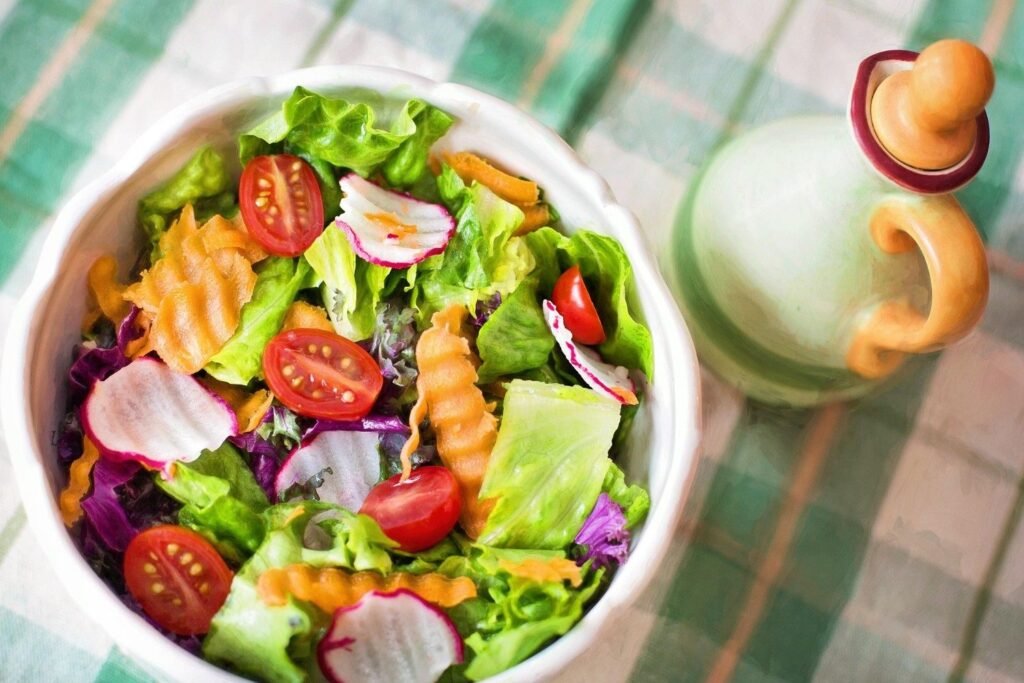
That pattern isn’t about eliminating entire food groups or chasing a handful of “superfoods.” It’s about shifting the overall balance of what’s on your plate toward foods that calm inflammatory processes in the body, and away from the ones that keep fanning them. Such an eating pattern emphasizes fruits and vegetables, whole grains, legumes, nuts, seeds, unsaturated fats like olive oil, and modest amounts of dairy and lean protein.
To understand why this pattern matters, it helps to understand what inflammation actually is — because not all of it is bad.
Acute Inflammation vs. Chronic Inflammation
Inflammation itself isn’t the enemy. It’s your immune system’s short-term emergency response — the redness and swelling around a cut, the fever that comes with a cold. This kind of acute inflammation is protective. It shows up, does its job, and resolves.
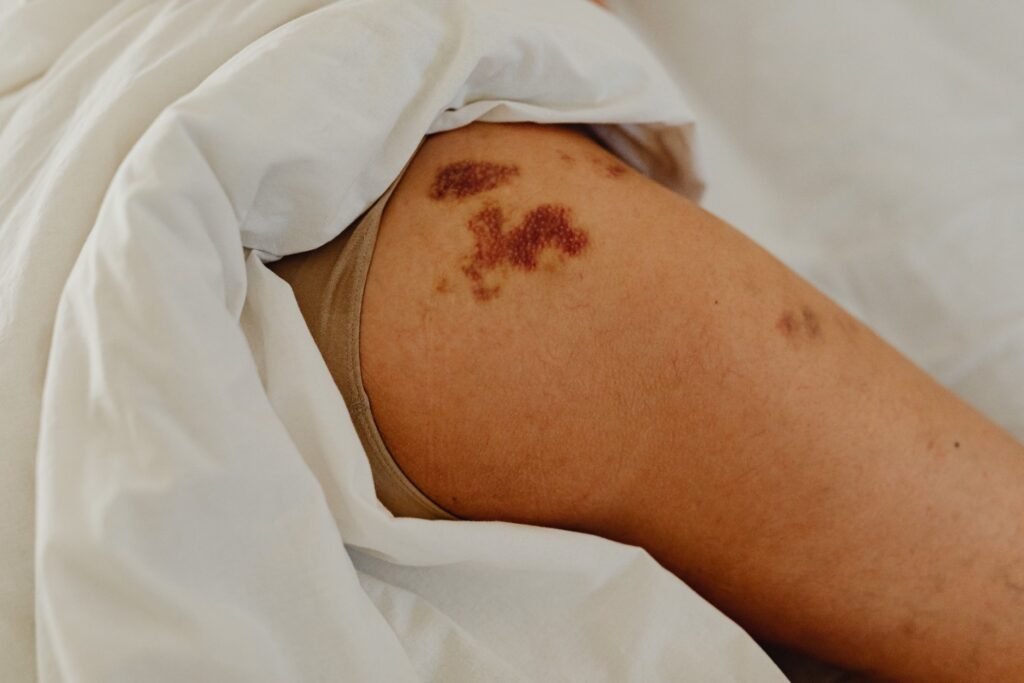
The problem is a different, quieter process called chronic low-grade inflammation — a persistent, smoldering immune response that doesn’t have an obvious trigger like an infection or an injury, and doesn’t fully switch off. Instead of resolving in days, it can simmer for months or years, gradually contributing to the kind of tissue damage linked to heart disease, Type 2 diabetes, certain cancers, autoimmune conditions, depression, and neurodegenerative disease.
This is the type of inflammation diet actually has meaningful influence over. Researchers typically track it using blood biomarkers like C-reactive protein (CRP), interleukin-6 (IL-6), and TNF-alpha — and diet quality has repeatedly shown up as one of the more modifiable levers for keeping those markers in a healthier range.

Why This Conversation Is Everywhere Right Now
Chronic disease driven by inflammation has been rising for decades, but the framing has shifted. Instead of treating heart disease, diabetes, and autoimmune conditions as entirely separate problems, researchers increasingly describe them as different downstream expressions of the same underlying process: a diet and lifestyle pattern that keeps the immune system quietly switched on.
At the same time, “food as medicine” has become one of the most talked-about ideas in nutrition and healthcare more broadly. Rather than waiting for disease to appear and then reaching for a prescription, more clinicians are pointing patients toward dietary patterns with genuine trial evidence behind them — and the Mediterranean-style, anti-inflammatory pattern has more randomized controlled trial data supporting it than almost any other dietary approach in existence.
That combination — a real, measurable biological process, plus a growing body of high-quality research, plus a framing simple enough to fit on a grocery list — is why this topic has moved from medical journals into everyday conversation.
What the Strongest Evidence Actually Shows
The Mediterranean Diet Has the Best Data Behind It
Among all dietary patterns studied for their effect on inflammation, the Mediterranean diet has the deepest and most rigorous evidence base, largely thanks to the landmark PREDIMED trial — a large, randomized, controlled study of nearly 7,500 people at high cardiovascular risk. In the trial’s inflammatory-biomarker sub-study, the effects of a Mediterranean diet supplemented with either extra-virgin olive oil or nuts were evaluated against a low-fat diet across more than 100 high-risk participants. The results showed that markers linked to blood vessel inflammation and unstable arterial plaque, including CRP and IL-6, were measurably lower in the groups following either Mediterranean diet variation compared with the low-fat control group.
More recent trial work, including the CORDIOPREV study, has reinforced these findings, and researchers now describe the anti-inflammatory effect of the Mediterranean pattern as working through multiple biological pathways at once — polyphenols, monounsaturated fats, and omega-3 fatty acids appear to influence oxidative and inflammatory signaling pathways in the body while also strengthening the body’s own antioxidant defenses.
Omega-3s Help — But the Ratio Matters More Than the Supplement Aisle Suggests
Fatty fish gets a lot of attention in anti-inflammatory diet content, and for good reason: omega-3 fatty acids (EPA and DHA in particular) are precursors to signaling molecules that actively help resolve inflammation rather than just avoiding triggering it. But the research on omega-3 supplementation alone is more mixed than marketing tends to suggest — a 2026 meta-analysis of randomized trials found that omega-3 and omega-6 supplementation together did not significantly change CRP, IL-6, or TNF-alpha levels overall, though one specific marker, IL-1 beta, did improve.
What seems to matter more than any single nutrient is balance. Most modern diets, especially those heavy in processed and fried foods, deliver far more omega-6 fatty acids than omega-3s — in some regions the reported ratio runs as high as 12 to 1, compared with a commonly recommended ratio of no more than 5 to 1. Bringing that ratio closer to balance — more oily fish and flaxseed, less deep-fried food and processed snacks — appears to matter more than simply adding a fish oil capsule on top of an otherwise inflammatory diet.
Fermented Foods Are an Emerging Bright Spot
One of the more interesting recent findings in this space involves fermented foods. A widely cited Stanford trial found that increasing intake of fermented foods — yogurt, kefir, sauerkraut, kimchi, miso, and similar foods — to around six servings a day reduced a broader set of inflammatory markers than a high-fiber diet did on its own, likely by supporting a more diverse gut microbiome. This lines up with a growing body of research connecting gut bacterial diversity to lower systemic inflammation throughout the body.
Polyphenols Do a Lot of the Heavy Lifting
Across nearly every study of anti-inflammatory dietary patterns, polyphenols — the plant compounds found in berries, olive oil, tea, dark chocolate, and colorful vegetables — show up as one of the most consistent contributors. Research from the large Italian MOLI-SANI cohort has linked higher polyphenol intake, largely delivered through Mediterranean-style eating, to lower levels of chronic low-grade inflammation, even after accounting for other lifestyle factors.
Foods to Eat: The Anti-Inflammatory Plate
Rather than a single “eat this” list, think of these as the building blocks that consistently show up across the research.
Vegetables and Leafy Greens
Leafy greens like spinach, kale, and Swiss chard are dense in vitamin K, folate, and polyphenols. Cruciferous vegetables — broccoli, Brussels sprouts, cauliflower, cabbage — contain sulforaphane, a compound released when these vegetables are chopped or chewed that has its own independent anti-inflammatory activity in early research. Aim to make vegetables the largest single component of most meals, not a side thought.
Berries and Colorful Fruit
Blueberries, blackberries, cherries, and strawberries are rich in anthocyanins — the polyphenols responsible for their deep color — which have well-documented antioxidant and anti-inflammatory properties. Citrus fruit, pomegranate, and grapes add their own polyphenol profiles to the mix. Frozen fruit retains most of these compounds and is a practical, affordable way to eat berries year-round.
Fatty Fish
Salmon, sardines, mackerel, anchovies, and trout are the richest natural sources of the long-chain omega-3s EPA and DHA. Most guidelines suggest aiming for two or more servings of fatty fish per week as part of an anti-inflammatory pattern.
Extra-Virgin Olive Oil
The signature fat of the Mediterranean diet, extra-virgin olive oil is rich in oleocanthal, a compound with anti-inflammatory activity that some researchers have compared, in a limited way, to the mechanism of ibuprofen. Using it as your primary cooking and dressing fat, in place of highly processed or repeatedly reheated oils, is one of the more evidence-backed swaps available.
Nuts and Seeds
Walnuts stand out in particular for their omega-3 content (in the plant form ALA) alongside polyphenols. Almonds, flaxseeds, and chia seeds round out a category that reliably shows up in the lowest-inflammation dietary patterns studied.
Whole Grains and Legumes
Oats, quinoa, barley, brown rice, lentils, chickpeas, and beans deliver fiber, plant protein, and a slower, steadier blood sugar response than their refined counterparts — a pattern strongly associated with lower CRP levels across large population studies.
Fermented Foods
Live-culture yogurt, kefir, sauerkraut, kimchi, miso, and tempeh support a more diverse gut microbiome, which appears to have knock-on effects for inflammation throughout the body. Starting with small amounts — a tablespoon or two daily — and building up gradually tends to be the most comfortable approach.
Herbs and Spices
Turmeric (specifically its active compound, curcumin), ginger, and garlic have each been studied for anti-inflammatory activity, though curcumin in particular is poorly absorbed on its own and appears to work best combined with black pepper and a source of fat.
Green and Black Tea, and Dark Chocolate
Tea polyphenols and cocoa flavonoids (in dark chocolate at 70% cocoa or higher) both show up repeatedly in research as small, practical additions that support an anti-inflammatory pattern without requiring a major dietary overhaul.
Foods to Limit or Avoid
The other half of the equation is just as important as what you add — and arguably has stronger, more consistent evidence behind it.
Ultra-Processed Foods
This is the single most consistent driver identified across recent research: highly processed foods rich in refined starch, sodium, additives, and industrial fats are among the most reliable contributors to diet-driven inflammation. This category includes packaged snacks, frozen convenience meals, sugary breakfast cereals, and most fast food.
Added Sugar, Especially in Liquid Form
Added sugars, particularly when consumed as soda, sweetened coffee drinks, or fruit juice, are consistently associated with elevated inflammatory markers. Liquid sugar in particular causes a fast blood sugar spike without the fiber or fullness signals that come from whole food.
Refined Carbohydrates
White bread, white rice, and pastries made from refined flour lack the fiber that slows digestion and blunts blood sugar spikes, and diets high in these foods correlate with higher CRP levels in population studies.
Processed Meat
The World Health Organization classified processed meat as a Group 1 carcinogen in 2015, citing strong evidence linking regular consumption to colorectal cancer risk. Beyond cancer risk specifically, processed meats — bacon, sausage, deli meat, hot dogs — are consistently associated with higher inflammatory markers, likely due to a combination of saturated fat, sodium, nitrates, and high-heat cooking methods.
Repeatedly Reheated or Deep-Fried Oils
The concern with cooking oils isn’t oils as a category — a 2026 clinical review actually placed seed oils in the “evidence of benefit” category based on improved cardiovascular outcomes, alongside seafood. The real issue is oxidation from repeated high-heat use, such as the oil used again and again in commercial deep fryers, which does show consistent links to elevated inflammatory markers.
Excess Alcohol
Alcohol weakens the tight junctions in the intestinal lining, increasing intestinal permeability — a state often referred to informally as “leaky gut” — which allows bacterial fragments to enter the bloodstream and trigger an inflammatory immune response. Most guidance settles around a similar threshold: no more than one drink daily for women and two for men, with less generally being better where inflammation is concerned.
Advanced Glycation End Products (AGEs)
These compounds form when foods — particularly meat — are cooked at very high, dry heat, such as grilling, broiling, or frying. AGEs are understood to activate a receptor on immune cells that switches on sustained inflammatory signaling. Cooking with more moisture and lower heat (braising, steaming, poaching) reduces AGE formation compared with charring or deep-frying.
Anti-Inflammatory Diet vs. Other Popular Approaches
| Approach | Evidence for reducing inflammation | Sustainability | Restrictiveness | Best supported by |
|---|---|---|---|---|
| Mediterranean-style anti-inflammatory pattern | Very strong — multiple large RCTs | High | Low — no food groups eliminated | PREDIMED, CORDIOPREV, MOLI-SANI |
| DASH diet | Strong, especially for blood pressure and CRP | High | Low | Multiple large cohort and RCT studies |
| Ketogenic diet | Mixed — some markers improve short-term, evidence weaker long-term | Low for most people | High | Limited, mostly short-term studies |
| Elimination diets (general) | Weak outside diagnosed food sensitivities | Low | Very high | Mostly anecdotal outside clinical settings |
| Vegan/plant-based diet | Moderate-to-strong for inflammatory markers | Moderate | Moderate | Multiple cohort studies |
The anti-inflammatory pattern shares the most DNA with the Mediterranean and DASH diets — unsurprising, since much of the research overlaps. What sets it apart from more restrictive approaches is that it asks you to shift emphasis rather than eliminate entire food groups, which is a large part of why it tends to be more sustainable long-term.
A Sample Day on an Anti-Inflammatory Diet
Breakfast: Overnight oats with walnuts, ground flaxseed, and mixed berries Lunch: Large salad with leafy greens, chickpeas, grilled salmon, and an olive oil–lemon dressing Snack: Plain Greek yogurt with a drizzle of honey and a handful of almonds Dinner: Baked mackerel or trout with roasted broccoli and quinoa Evening: A square or two of 70%+ dark chocolate with a cup of green tea
Every ingredient on that list is widely available, and none of it requires a specialty health-food store or a supplement subscription.
Common Mistakes People Make
Chasing a single “superfood” instead of the overall pattern. No single ingredient — turmeric, blueberries, bone broth — offsets a diet that’s otherwise heavy in processed food. The strongest evidence favors a varied pattern of vegetables, fruits, whole grains, legumes, nuts, seeds, olive oil, and fatty fish rather than any one standout food.
Treating all fat the same. Saturated and industrially processed trans fats behave very differently in the body than the monounsaturated and omega-3 fats found in olive oil, nuts, and fish. Lumping “fat” into one avoid-it category misses the point entirely.
Going to extremes with elimination. Cutting out entire food groups — dairy, all carbohydrates, all nightshades — without a diagnosed sensitivity rarely has strong evidence behind it and can make a diet harder to sustain for no proven benefit. Full-fat dairy in particular is not automatically inflammatory for everyone; individual tolerance and overall diet quality matter more than the food in isolation.
Expecting fast results. There’s no universal timeline — inflammatory markers can respond to dietary change, but the size and durability of that response depends on the whole pattern along with other lifestyle factors like sleep, activity, and stress, not a short-term cleanse.
Ignoring the rest of the picture. Diet is one of several major inflammation drivers — smoking, poor sleep, chronic stress, physical inactivity, and excess body weight all independently contribute to chronic low-grade inflammation, and no eating pattern fully compensates for the others.
Should You Try an Anti-Inflammatory Diet?
If your current diet leans heavily on packaged, fried, and sugar-sweetened food — which describes a large share of how people in high-income countries currently eat — then shifting toward this pattern is one of the more well-evidenced, low-risk nutritional changes available. It doesn’t require eliminating entire food groups, buying expensive supplements, or following a rigid protocol. It asks you to eat more vegetables, more fatty fish, more legumes and whole grains, more olive oil, and meaningfully less ultra-processed food, added sugar, and processed meat.
If you’re managing a diagnosed inflammatory or autoimmune condition, this kind of dietary pattern is worth discussing directly with your doctor or a registered dietitian, since specific conditions like inflammatory bowel disease or rheumatoid arthritis sometimes call for more individualized guidance than general population-level advice can offer.
A Final Word
Chronic inflammation built up gradually, through millions of small daily choices repeated over years — and it tends to resolve the same way. There’s no single meal that fixes it and no single food that undoes a pattern of otherwise poor eating. What the research consistently points back to is refreshingly unglamorous: more vegetables, more fish, more whole grains and legumes, good fats instead of processed ones, and a lot less sugar, fried food, and packaged snacks.
It’s not a new idea. It’s the same advice nutrition science has been quietly repeating for decades — inflammation research just gave it a clearer biological reason to listen.
Related Articles
- Everyone Is Talking About Protein — But Are We Forgetting Fibre? — How the fiber gap connects to gut health and systemic inflammation
- Fibermaxxing: Why Everyone Is Talking About It — The fiber trend that pairs directly with an anti-inflammatory eating pattern
- Akkermansia: What It Is and Why Everyone Is Talking About This Gut Bacteria — The gut bacterium linked to a stronger barrier and lower inflammation
- The DASH Diet: A Complete Guide — A closely related, evidence-backed anti-inflammatory dietary pattern
- Food as Medicine — When whole foods do what pharmaceuticals can’t
External References
- Harvard Health: Anti-Inflammatory Diet — Foods That Help Reduce Chronic Inflammation
- Harvard Health: Foods That Fight Inflammation
Disclaimer: This article is for informational and educational purposes only. It is not a substitute for professional medical or nutritional advice. Please consult a registered dietitian or qualified healthcare provider before making significant changes to your diet, especially if you have an existing health condition such as an autoimmune or inflammatory disorder.