Health
Can You Lose Weight Without GLP-1 Drugs?
Published on GuideBlogs | Health
Reading time: ~14 min
The internet is full of people injecting Ozempic and losing 30 pounds in six months. And then there’s the rest of us, wondering: does anything still work the old-fashioned way?
Short answer: yes. A longer, more honest answer: it depends on what you’re actually doing — and whether you understand the biology behind why weight loss is harder than it sounds.

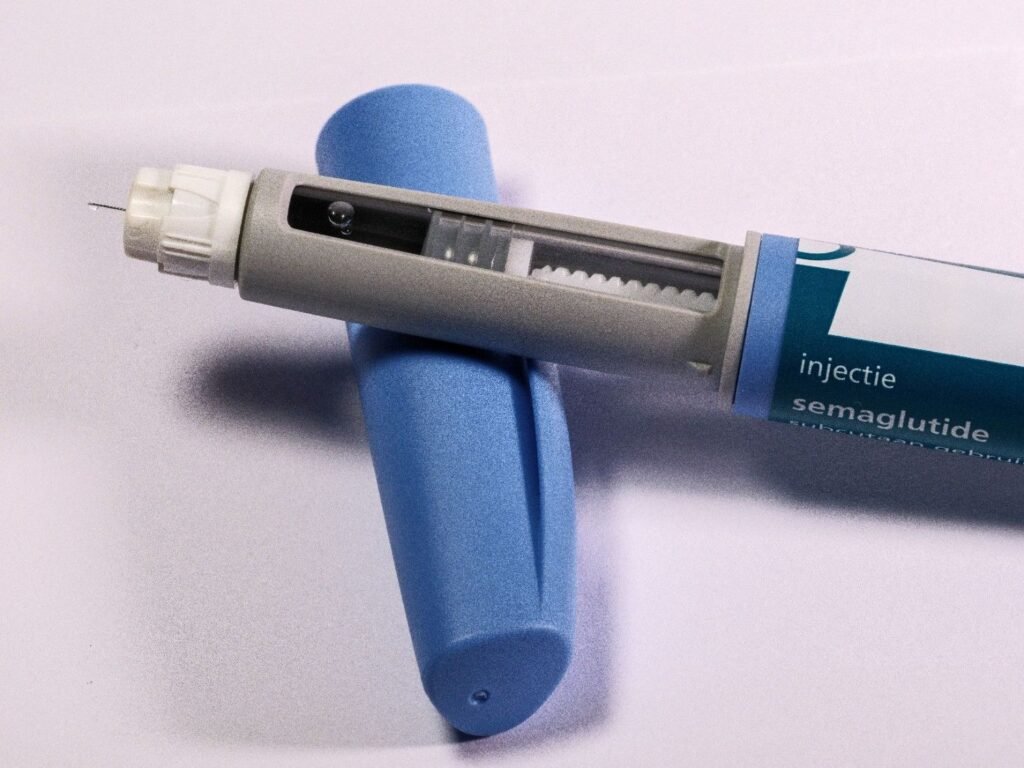
GLP-1 receptor agonists like semaglutide (Ozempic, Wegovy) and tirzepatide (Mounjaro, Zepbound) have genuinely changed the landscape of obesity medicine. They’re effective, they’re backed by solid clinical data, and for many people, they represent a genuine medical breakthrough. But they’re also expensive, often inaccessible, come with real side effects, and — critically — most people who stop taking them regain the weight.
So the question of whether you can lose weight without them isn’t just academic. It’s the question most people actually need answered.
What GLP-1 Drugs Actually Do (And Why That Matters)
Before we talk about doing it without them, it’s worth understanding what these drugs are doing with you — because the mechanisms matter for the alternatives.
GLP-1 (glucagon-like peptide-1) is a hormone your gut produces naturally after you eat. It does several things: it signals your pancreas to release insulin, slows gastric emptying (so food stays in your stomach longer), and — crucially — crosses into the brain and signals the hypothalamus to reduce appetite.
GLP-1 receptor agonists mimic and amplify this signal. The result is a profound reduction in hunger and food noise — the constant mental chatter about eating that many people with obesity experience. Patients often describe it as feeling, for the first time, like they can simply stop thinking about food.
That’s genuinely remarkable. And it tells us something important: the primary mechanism of these drugs is neurological, not metabolic. They work mainly by changing how your brain processes hunger — not by burning more calories.
Which means that anything that naturally reduces appetite signaling, improves satiety hormones, reduces food noise, or addresses the metabolic drivers of hunger is working in the same direction — just through different, and in some ways more durable, pathways.
The Real Reason Weight Loss Is So Hard (It’s Not Willpower)
Let’s be direct about something first, because a lot of wellness content glosses over it: losing weight is genuinely difficult, and the difficulty is largely biological, not moral.
When you eat less and lose weight, your body responds by doing several things you did not ask it to do:
- Resting metabolic rate drops — often disproportionately to the actual weight lost
- Hunger hormones increase — particularly ghrelin, the “hunger hormone,” which rises after caloric restriction
- Satiety hormones decrease — including leptin, which normally signals fullness
- The brain becomes more sensitive to food cues — making high-calorie foods more appealing
This collection of biological responses is sometimes called metabolic adaptation, and research has shown it can persist for years after weight loss — even when the weight has been maintained. A landmark study following contestants from The Biggest Loser found that six years later, their metabolisms were still significantly suppressed compared to people who had never dieted.
This isn’t a reason to give up. It’s a reason to understand that sustainable weight loss requires strategies that work with these biological systems — not in ignorance of them.
7 Evidence-Based Strategies That Work Without GLP-1 Drugs
1. Prioritise Protein — Dramatically More Than You Think
This is not a trend. This is probably the single most well-supported dietary strategy for weight loss, and it works through several distinct mechanisms.
Protein is the most satiating macronutrient. Studies consistently show that high-protein meals reduce appetite and caloric intake at subsequent meals more than equivalent calories from fat or carbohydrates. The mechanism involves both direct satiety hormones and slower gastric emptying.
Protein has the highest thermic effect of food (TEF). Your body burns 20–30% of protein calories just to digest and metabolise it — compared to 5–10% for carbohydrates and 0–3% for fat. This is a real, though modest, metabolic advantage.
Protein preserves lean muscle mass during weight loss. This matters enormously, because muscle tissue is metabolically active — it burns calories at rest. When people lose weight rapidly without adequate protein, a significant portion of that weight is muscle, which further suppresses their resting metabolism. High protein intake substantially reduces this.
The practical target: Most research supports 1.6–2.2 grams of protein per kilogram of body weight per day for people actively trying to lose weight. For a 75kg person, that’s roughly 120–165 grams of protein daily — considerably more than most people eat.
Eggs, Greek yoghurt, cottage cheese, chicken breast, fish, legumes, and tofu are all strong choices. If you’re struggling to hit targets, a high-quality whey or plant-based protein supplement is a reasonable tool.
2. Eat Mostly Whole, Minimally Processed Foods
This one sounds obvious. It’s less obvious why it works so powerfully.
Ultra-processed foods — the items that dominate most supermarket shelves and most people’s plates — are engineered to be hyper-palatable. They’re formulated with precise combinations of fat, salt, sugar, and texture that override normal satiety signalling. You can eat them past the point of fullness and still want more. This is not weakness. It’s the product of millions of dollars in food science research directed at exactly that outcome.
A landmark randomised controlled trial from the NIH found that people given ad libitum access to ultra-processed foods ate an average of 500 more calories per day than people given access to unprocessed foods with matched macronutrient profiles — even though both groups rated the foods similarly for taste and enjoyment.

Whole foods — vegetables, fruits, legumes, whole grains, meat, fish, eggs, nuts — are not just healthier in the micronutrient sense. They are also structurally different: their fibre, water content, and cellular architecture resist rapid digestion, slow glucose absorption, and support robust satiety signalling.
This is genuinely one of the most powerful single changes you can make. Not because of which macronutrients you’re eating, but because of the effect food processing has on your ability to regulate intake.
Related read: Ultra-Processed Foods: Are They Really the Biggest Problem in the Modern Diet?
3. Optimise Your Gut Health — The Hunger Connection Most People Miss
There is a rapidly evolving body of research connecting the gut microbiome to appetite regulation, metabolic health, and body weight. This is not fringe science anymore — it’s mainstream nutrition research.
Your gut microbiome influences weight through multiple mechanisms:

- Short-chain fatty acids (SCFAs): Beneficial gut bacteria ferment dietary fibre into SCFAs — including butyrate, propionate, and acetate — which stimulate the release of satiety hormones (GLP-1 and PYY) from your intestinal cells. Yes — your own gut bacteria can stimulate the same satiety pathway that GLP-1 drugs target.
- Inflammation: Dysbiotic gut microbiomes (where pathogenic bacteria outnumber beneficial species) generate low-grade inflammation that contributes to insulin resistance and metabolic dysfunction.
- Caloric extraction: Different microbiome compositions extract different amounts of energy from identical foods — people with more Firmicutes relative to Bacteroidetes tend to extract more calories from the same food.
The practical takeaway: feeding and diversifying your gut bacteria is a legitimate metabolic strategy. The best-evidenced approach is dietary fibre diversity — aiming for 30+ different plant foods per week, including vegetables, fruits, legumes, whole grains, nuts, seeds, and fermented foods.
Related read: Gut Health in 2026
4. Resistance Training — The Long-Term Metabolic Investment
Cardio burns calories. Resistance training changes your metabolism.
This distinction matters enormously for long-term weight management. When you build muscle mass through resistance training, you increase your resting metabolic rate — the number of calories your body burns doing nothing. Each kilogram of muscle burns approximately 13 calories per day at rest, compared to roughly 4–5 calories for the equivalent mass in fat. Over months and years, this compounds.

But the benefits go further. Resistance training:
- Improves insulin sensitivity — muscle tissue is the primary site of glucose disposal, and stronger, more developed muscles are more metabolically efficient
- Counteracts metabolic adaptation — building muscle during weight loss is the most effective known countermeasure to the metabolic slowdown that typically accompanies caloric restriction
- Produces EPOC (excess post-exercise oxygen consumption) — the elevated calorie burn that continues for hours after a strength session
The evidence on resistance training for fat loss is clear, but the message hasn’t penetrated mainstream weight loss advice as effectively as it should. Most people thinking about losing weight think “run more, eat less.” A more effective frame is: build muscle, eat enough protein, create a moderate caloric deficit.
Aim for two to four resistance training sessions per week, with progressive overload — consistently working your muscles harder over time. You don’t need a gym; bodyweight training done consistently produces real results.
5. Sleep as a Weight Management Tool (This Is Not Optional)
Sleep deprivation is one of the most reliable ways to sabotage fat loss, and one of the most overlooked.
The research on this is unambiguous:
- Short sleep duration (less than six hours per night) is associated with significantly higher body weight and obesity risk in population studies
- One night of sleep restriction increases ghrelin (hunger hormone) by approximately 24% and decreases leptin (satiety hormone) by 18%, according to a widely cited study from the University of Chicago
- Sleep-deprived individuals show increased appetite specifically for high-calorie, high-carbohydrate foods — processed snacks, desserts, fast food
- Reduced sleep impairs glucose metabolism and insulin sensitivity, contributing to the metabolic dysfunction that makes fat loss harder
Seven to nine hours of quality sleep per night is not a luxury add-on to a weight loss plan. It is a foundational requirement. If you’re dieting hard and sleeping six hours, you are fighting your own biology.

Practical sleep hygiene that actually moves the needle: consistent sleep and wake times seven days a week (yes, including weekends), a genuinely dark and cool room, no screens in the last 60–90 minutes before bed, and limited alcohol (which fragments sleep architecture even when it helps you fall asleep faster).
6. Manage Chronic Stress — Because Cortisol Is Not Your Friend
Chronic psychological stress drives weight gain through mechanisms that are direct and well-understood, not vague or theoretical.
Cortisol, the primary stress hormone, does several things that directly impair fat loss:
- Increases appetite, particularly for calorie-dense comfort foods
- Promotes fat storage specifically in visceral (abdominal) adipose tissue — the most metabolically dangerous fat depot
- Drives up blood glucose levels, increasing insulin demands
- Disrupts sleep, which then compounds all of the above
- Impairs the gut microbiome, reducing the diversity and abundance of beneficial bacteria
Modern life delivers chronic, low-grade cortisol elevation that our biology never evolved to handle. And the coping mechanisms most people reach for under stress — alcohol, ultra-processed food, screen time late at night — each independently worsen the metabolic picture.

Evidence-based stress management interventions that have demonstrated measurable effects on cortisol and metabolic health:
- Mindfulness-based stress reduction (MBSR) — multiple RCTs show reduced cortisol and improved metabolic markers
- Regular aerobic exercise — the cortisol-reducing effect of exercise is among its most consistent benefits
- Time in nature — exposure to green space reduces salivary cortisol in controlled studies
- Social connection — chronic loneliness activates the same stress response as physical threat
These aren’t soft suggestions. They are biological levers with direct metabolic consequences.
7. Deliberate Meal Timing and Intermittent Fasting
The when of eating is a genuine variable in weight management — and it operates through mechanisms distinct from total caloric intake.
Intermittent fasting (IF), particularly time-restricted eating (TRE) approaches, produces several metabolically relevant effects:
- Depletes liver glycogen stores, shifting the body toward fat oxidation
- Reduces insulin levels and improves insulin sensitivity
- Triggers autophagy — a cellular housekeeping process that clears damaged components, including dysfunctional mitochondria
- In time-restricted eating aligned with daylight hours, improves circadian metabolic signalling
The evidence for IF as a superior fat loss strategy compared to continuous caloric restriction is modest — most well-controlled studies find similar fat loss when total calories are matched. But IF is a powerful tool for some people because it simplifies the act of eating less: instead of counting calories across the day, you simply define a window.
A 16:8 approach (16 hours fasting, 8-hour eating window) is the most studied and most accessible starting point. Early time-restricted eating — eating earlier in the day rather than late — appears to have metabolic benefits independent of total intake, probably through circadian rhythm alignment.
Important: For people with a history of disordered eating, rigid meal timing approaches require careful consideration. The goal is eating less effortlessly, not creating new anxiety around food.
What About Supplements? The Honest Assessment
The supplement industry loves the weight loss space. Most of the products in it are useless. A small number are worth knowing about.
Fibre supplements (psyllium husk, inulin, beta-glucan): Probably the most evidence-backed option for appetite control. Soluble fibre slows gastric emptying, feeds beneficial gut bacteria, and reduces post-meal blood glucose spikes. Not exciting, but genuinely effective.
Berberine: A plant compound that activates AMPK (a cellular energy sensor) and has demonstrated modest blood glucose-lowering and fat loss effects in clinical trials. Sometimes called “nature’s metformin.” The evidence is real but not spectacular.
Creatine monohydrate: Not a fat burner, but one of the most evidence-supported supplements for improving strength training performance — which in turn builds muscle and improves metabolic rate. Worth considering if resistance training is part of your plan.
Green tea extract (EGCG + caffeine): Small but consistent effects on fat oxidation and thermogenesis in meta-analyses. The effects are real but modest — a few hundred extra calories per week, not a transformation tool.
What doesn’t work: Most proprietary fat burner blends, raspberry ketones, garcinia cambogia, detox teas, and virtually anything advertised with before-and-after photos. The regulatory environment for supplements allows significant marketing claims without evidence requirements — caveat emptor.
Can You Combine These Strategies? (Yes — And You Should)
Individual lifestyle strategies each produce modest effects. Combined, they produce something significantly greater than the sum of their parts.
Here’s why: each strategy targets a different aspect of the weight regulation system. High protein addresses satiety hormones. Resistance training addresses metabolic rate. Sleep affects ghrelin and leptin. Gut health affects GLP-1 signalling. Stress management affects cortisol and visceral fat storage. Whole food intake affects caloric density and dopamine signalling.
When you implement all of these together, you are not doing the same thing five times. You are simultaneously addressing five or six distinct physiological pathways that all converge on body weight regulation.
This is, ultimately, what GLP-1 drugs do — they find a very potent entry point (the brain’s appetite centre) and override a significant portion of the biological resistance to weight loss. Lifestyle strategies, implemented comprehensively and sustained over time, accomplish something similar but more distributed. Neither approach produces miracles. Both can produce meaningful, sustained results in the right context.
What Results Should You Realistically Expect?
This is where honesty matters more than optimism.
A safe, sustainable rate of fat loss is 0.5–1% of body weight per week. For a 90kg person, that’s 450–900 grams per week. This feels slow. It requires patience. But it’s the rate at which your body can lose predominantly fat while preserving muscle — and the rate associated with the best long-term maintenance outcomes.
Faster weight loss is possible, but increasingly produces metabolic adaptation, muscle loss, and the yo-yo pattern that most chronic dieters know well.
Six months of consistently applied lifestyle changes — high protein, resistance training, quality sleep, stress management, whole food diet — can realistically produce 8–15kg of fat loss for most people, without pharmacological intervention. That’s clinically meaningful. That’s a reduction in cardiovascular risk, improvement in insulin sensitivity, reduced joint load, improved energy and mood.
It’s also sustainable. Because the mechanisms are built into your life rather than your prescription.
When GLP-1 Drugs Do Make Sense
Being honest about lifestyle alternatives doesn’t mean pretending medication is never appropriate.
For people with BMI above 30 (or above 27 with metabolic comorbidities), who have genuinely tried sustained lifestyle modification without sufficient response, GLP-1 receptor agonists represent a medically legitimate option that can meaningfully improve health outcomes. The clinical evidence is strong.
The important caveat: medication works best when combined with the lifestyle strategies described in this article, not instead of them. People who use GLP-1 drugs alongside high protein intake and resistance training preserve more muscle, improve metabolic rate, and are better positioned to maintain results if they eventually taper off medication.
If you’re considering GLP-1 medication, that conversation belongs with a qualified physician, not a telehealth app that asks you three questions before shipping a vial.
Frequently Asked Questions
Can I lose a significant amount of weight without medication? Yes. Clinical trials consistently show that comprehensive lifestyle interventions — diet, exercise, sleep, and behaviour change — produce meaningful fat loss. Results vary by individual, adherence, and biological factors, but weight loss of 5–10% of body weight (which is clinically significant for most metabolic markers) is achievable without medication for most people.
How long before I see results from lifestyle changes? Changes in water retention and glycogen levels can occur in the first one to two weeks. Measurable fat loss typically becomes visible over six to eight weeks of consistent effort. The best results appear after three to six months of sustained practice. Patience is not optional — it’s part of the strategy.
Is intermittent fasting safe for everyone? Generally yes, for healthy adults. It requires more caution for people with diabetes (particularly those on insulin or sulfonylureas), pregnant or breastfeeding women, and anyone with a history of disordered eating. When in doubt, discuss with your doctor.
Do I need to count calories? Not necessarily. High protein, whole food diets tend to naturally reduce caloric intake without tracking. However, if progress stalls despite seeming to eat well, a period of accurate food logging can identify gaps — most people significantly underestimate their actual intake.
What about weight loss plateaus? Plateaus are a normal and expected part of the process — they reflect metabolic adaptation rather than failure. Strategies to move through them include a brief diet break (eating at maintenance calories for one to two weeks), reassessing protein intake, adding or varying resistance training, and re-evaluating sleep quality.
The Bottom Line
GLP-1 drugs are a genuine medical advance. They are also not the only path — and for many people, not the right path.
The biology of weight regulation is complex, and anyone who tells you weight loss is simple isn’t being straight with you. But that complexity cuts both ways: because weight is regulated by so many systems simultaneously, there are also many entry points for meaningful intervention.
More protein. More resistance training. Less ultra-processed food. Better sleep. A healthier gut. Managed stress. These are not lifestyle clichés. They are, at the cellular and hormonal level, direct levers on the biological systems that determine whether your body holds onto fat or releases it.
You don’t need a prescription to access any of them.
Related reads:
- Gut Health in 2026
- Ultra-Processed Foods: Are They Really the Biggest Problem in the Modern Diet?
- Simple Daily Habits for a Healthy Lifestyle
- Food as Medicine?
- Mitochondria and Health
External references:
- NIH — GLP-1 Receptor Agonists and Obesity
- Harvard T.H. Chan School of Public Health — Protein and Weight Management
- CDC — Healthy Weight, Nutrition, and Physical Activity
Disclaimer: This article is for informational purposes only and does not constitute medical advice. If you are considering significant dietary changes or have a health condition, consult a qualified healthcare provider before making changes to your diet, exercise, or supplement routine.